

Presented at ASH 2023, findings of a new study showed patients with sickle cell disease and venous thromboembolism have longitudinal worsening of left ventricular diastolic and right-sided cardiac function.
Presented at ASH 2023, findings of a new study showed patients with sickle cell disease and venous thromboembolism have longitudinal worsening of left ventricular diastolic and right-sided cardiac function.

Phase 3 data presented at ASH 2023 show the gene therapy significantly reduced annualized bleeding rates and the number of total bleeds.

Final emergency department pain scores, opioid doses in the emergency department, and receipt of an opioid prescription at discharge predicted hospitalization and return visits.
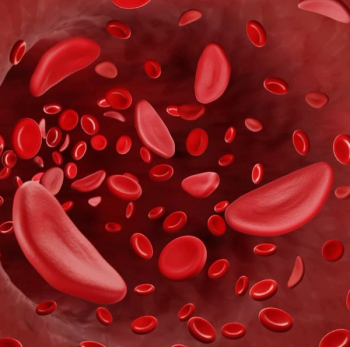
A higher prevalence of STI diagnosis is observed in adolescents and young adults with sickle cell disease compared with controls.

Findings of a new study suggest COVID-19 does not serve as risk factor for the development of VTE in pediatric cancer patients.

Results showed treatment with iptacopan through 48 weeks caused hemoglobin-level increases, blood transfusion avoidance, and reductions in patient-reported fatigue.

Although more than half of female patients with sickle cell disease reported sickle cell pain associated with their menstrual cycles, only 12.5% had used ≥1 hormonal therapies within the past 3 months.
Study results presented at the 2023 American Society of Hematology Annual Meeting and Exposition found equal immune tolerance induction success rates regardless of race/ethnicity.

The revised algorithm demonstrates 97% sensitivity in identifying pregnant patients with inherited bleeding disorders.

Extension analysis from a phase 1 trial show the investigative oral mitapivat was not associated with any discontinuations nor deaths over 2 years.

New case-control data from ASH 2023 show a particularly increased link between sickle cell trait and monocytic and myeloid leukemia progression.

These findings presented at ASH show promise for future studies on GBT02601 as a potential alternative to voxelotor for sickle cell disease.

This new data on a European sickle cell disease cohort expands upon existing knowledge of the effects of HU on fertility, with the findings showing the benefits of cryopreservation.

The phase 3 STAND study contrasts from the phase 2 SUSTAIN study results, highlighting the absence of superiority of crizanlizumab over placebo on key efficacy endpoints.

Two experts describe the correlation between the severity of arginine deficiency and worse clinical outcomes among hospitalized children with sickle cell disease experiencing vaso-occlusive pain episodes.
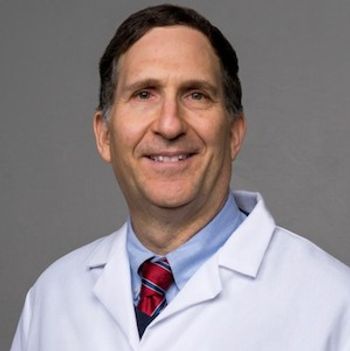
During this interview segment, Dr. Yosipovitch discussed his overview of current PN research and a specific study he had presented at EADV.

Gideon Hirschfield, PhD, MB BChir, Lily and Terry Horner Chair in Autoimmune Liver Disease Research at the University of Toronto, sat down with HCPLive Hepatology to discuss the role of the microbiome in autoimmune liver disease.

Presented at AAO 2023, a new analysis indicates racial and ethnic minoritized individuals may have a higher likelihood of neovascular glaucoma.

Safer discusses how symptoms and quality of life often go unaddressed in the few clinician-patient interactions about primary sclerosing cholangitis.
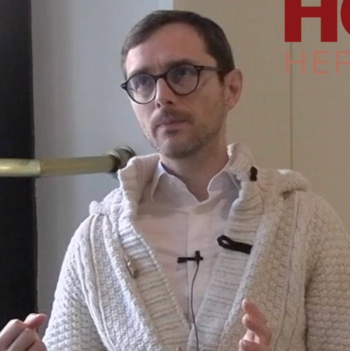
Lassailly discusses the role of bariatric surgery versus weight-loss treatments like semaglutide for patients with MASH.

Cynthia Levy, MD, professor of medicine at the University of Miami, provided further insight into unmet needs in PBC, the use of OCA-bezafibrate in PBC, and the significance of results from a pair of phase 2 studies presented at The Liver Meeting.

Most ophthalmology teaching faculty noted their lack of awareness about available resources or training as a barrier, rather than a lack of time, perceived benefit, or funding.

Chari Cohen, DrPH, MPH, discusses the current landscape of hepatitis B management and areas she sees room for development.

At 16 weeks, patients treated with bimekizumab reported greater improvements in both mean spine pain and morning stiffness when compared with placebo. These improvements continued through week 52.

At AAO 2023, Korobelnik provides insight into the efficacy and safety of aflibercept 8 mg in patients with nAMD observed over 2 years of the PULSAR study.

Sustained remission was observed in more patients receiving rituximab and concomitant avacopan compared with those treated with concomitant prednisone.

At AAO 2023, Kay shares insight into the topline results of the TEASE-1 study investigating the effect of gildeuretinol (ALK-001) on the inherited retinal disease.

Ahmad Masri, MD, MS, discusses new acoramidis data from the ATTRibute-CM trial at AHA 2023.

A post hoc analysis of the SCORED trial suggested the clinical benefit of sotagliflozin on heart failure and MACE-related outcomes in as early as 3 months in a high-risk population.

The most successful outcomes were observed in patients with at least 6 months of pegloticase therapy who promptly began oral therapy within 60 days.