

Michelle Rheault, MD, provides additional perspective on the results of the DUPLEX trial, which examined sparsentan in patients with FSGS.
Michelle Rheault, MD, provides additional perspective on the results of the DUPLEX trial, which examined sparsentan in patients with FSGS.

Presented at AAO 2023, new 3-year data from the GALE extension study shows increasing treatment effects over time with pegcetacoplan injection for geographic atrophy.

Aflibercept 8 mg treatment did well with maintaining patients, according to a presentation focusing on the PULSAR study.

In a presentation at AAO 2023, Tsang discussed topline data from the phase 2 trial on MCO-010 optogenetic therapy for vision loss in Stargardt Disease.

Data presented at ASN Kidney Week 2023 suggested male kidney donors recover greater kidney function than females after donation.

ARCHER study demonstrated that the antibody ANX007 was time and dose dependent, robust, and not dependent on lesion growth.

Data for a pair of studies presented at Kidney Week 2023 provide an overview of the effects of eGFR and how this might translate to potential long-term benefit in patients IgA nephropathy.

We sat down with Maya Clark-Cutaia, RN, MSN, PhD, assistant professor of nursing at New York University Rory Meyers College of Nursing to discuss disparities in the kidney transplantation process and how they should be addressed in future efforts.

Data from multiple presentations at ASN Kidney Week 2023 offer insight into the effects of atacicept in patients with IgA nephropathy as well as the design of the phase 3 trial, which is currently enrolling.
Results presented in an abstract at ASN Kidney Week 2023 showed White patients had the greatest access to waitlisting and transplantation.

We sat down with Amit Garg, MD, PhD, to discuss results from the EnAKT LKD trial and the development of a multicomponent intervention model for increasing access to kidney transplantation
Analysis of nearly 15k patients with non-dialysis-dependent CKD and anemia provides insight into contemporary trends in management.

Preliminary data from the open-label RUBY-3 trial were presented at the American Society of Nephrology Kidney Week 2023.

Results from the phase 2/3 DIAMOND trial show a significant reduction in central macular thickness and significant visual gain in eyes treated with OCS-01 drops versus sham.

New, 2-year results from the phase 3 PHOTON study show continued benefit for patients with diabetic macular edema treated with aflibercept 8mg.

Without treatment, lesions > 500 µm away from the fovea will take anywhere from 3.07 years to 12.9 years to reach it. With pegcetacoplan treatment, the lesion will reach the fovea anywhere between 3.56 years – 15 years for monthly treatment and 3.47-14.6 years for treatment every other month.
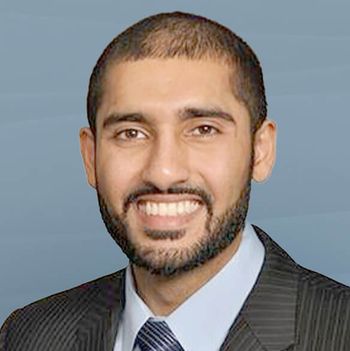
Despite recommendations to consult with ophthalmologists prior to initiating semaglutide, the cardiometabolic drug was not found to be linked to worsened DR outcomes.

New AAO 2023 data suggests drugs like dapagliflozin and empagliflozin may provide greater protection against glaucoma than GLP-1 agonists or DDP-4 inhibitors.

New data from the Cleveland Clinic Cole Eye Institute showed patients not responding to anti-VEGF inhibitors could improve clinical and regimen parameters with short-term faricimab.

Oliver Gross, MD, discusses the unmet need in Alport Syndrome and the implications of study results presented at ASN Kidney Week 2023.

ChatGPT, Google Bard, and Bing Chat struggle with recommending practicing nearby ophthalmologists and disproportionate against females.
EnAKT LKD was conducted across 26 CKD programs in Ontario Canada, offering a multi-component intervention designed to target several barriers thought to prevent kidney transplantation and living donation - however, results showed no significant difference between the intervention and usual care groups.

The post hoc analysis of the phase 3 YOSEMITE/RHINE trials may support the therapeutic role of dual Ang-2/VEGF-A inhibition with faricimab for DME.

For people with geographic atrophy, taking pegcetacoplan every other month (the EOM treatment) is more cost-effective than taking the medication every month (the EM treatment).

In the study from AAO 2023, patients with neovascular AMD who are on aflibercept injection treatment continued their treatments >12 weeks or 16 weeks.

Results of the ZENITH-CKD trial provide evidence of the safety and efficacy profile of combination zibotentan plus dapagliflozin in patients with chronic kidney disease.
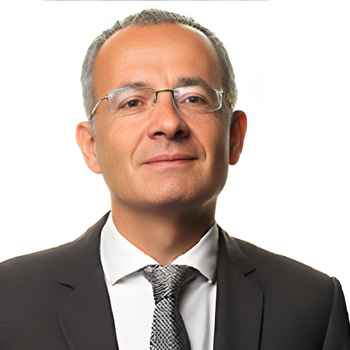
Primary results presented at ASN Kidney Week 2023 showed spironolactone missed the trial's primary endpoint.

The 2-year data from the PROTECT study confirms the sustained benefit of sparsentan in patients with IgA nephropathy.

Aldosterone synthase inhibition dose-dependently reduced albuminuria by up to 40% in participants with CKD, according to study results presented at ASN Kidney Week 2023.

A post hoc analysis of the phase 3 YOSEMITE and RHINE trials found significantly more patients had leakage resolution with faricmab than with aflibercept at Week 16.