
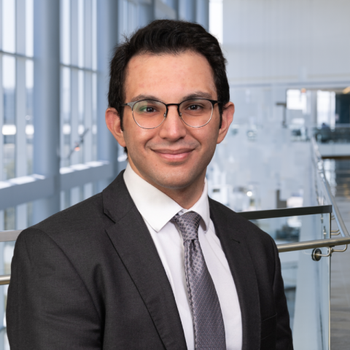
Anouti discusses the new AAP biliary atresia guidance and what it means to him as a patient-advocate who had biliary atresia as an infant.
Anouti discusses the new AAP biliary atresia guidance and what it means to him as a patient-advocate who had biliary atresia as an infant.
This quiz, the second in a series of 4, tests your knowledge on cryosurgery and PDT recommendations for actinic keratosis based on the 2021 AAD guidelines.

HCPLive spoke with Lam at AAAAI about how allergists should establish endoscopic sinus surgery expectations with patients regarding risks and benefits ahead of the operation.

Marking the first stroke medicine approved in nearly 30 years, the single five-second intravenous bolus provides faster administration than the standard of care.
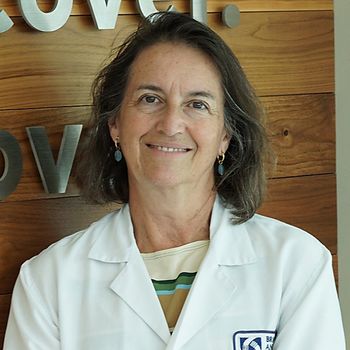
Castells discusses improvements in symptoms and quality of life scores for patients with indolent systemic mastocytosis across >2 years of the PIONEER trial.
This Month in Review summary highlights various news highlights featured in February’s dermatology news coverage.
The nephrology month in review spotlights HCPLive’s coverage of renal trial developments, xenotransplant, new AKI guidance, and research about dialysis.

Pongdee discussed research presented at the AAAAI/WAO Joint Congress that focused on improving diagnosis of indolent systemic mastocytosis.

A preview of 5 phase 3 clinical trials being presented during the AAD 2025 annual meeting's late-breaking sessions.
The February 2025 cardiology review covers pipeline updates in lipid management, key regulatory acceptances and approvals, and shifting ASCVD trial endpoints.
The regulatory agency has assigned a Prescription Drug User Fee Act (PDUFA) target action date of December 30, 2025.

In this episode, Victoria Barbosa, MD, MPH, MBA, and Janiene Luke, MD, highlight insights and misconceptions about alopecia.

A phase 2 trial found that 100% of children on peanut oral immunotherapy tolerated 9043 mg of peanuts, vs 10% in the avoidant group.
Phase 2 data from AAAAI 2025 shows peanut oral immunotherapy boosts desensitization in children with high-threshold peanut allergy, enabling safe meal-size peanut consumption.

ChatGPT offered valuable individualized nutritional recommendations for MASLD management, but they did not fully align with established guidelines.
Castells describes what’s missing from the current treatment landscape and the potential implications of elenestinib for indolent systemic mastocytosis.

John Barbieri, MD, MBA, discusses recent data examining factors associated with formation of benzene in OTC benzoyl peroxide products.
This quiz, the first in a series of 4, tests your knowledge on prevention and treatment of actinic keratosis based on the 2021 AAD guidelines.
In this episode, hosts discuss the implications of recent changes in GLP-1 RA availability as well as diabetes technology updates.
The hepatology month in review spotlights HCPLive’s coverage of hepatic drug development and research about GLP-1 RAs, viral hepatitis, and MASH.

Subgroup analyses of the real-world REALITI-A study were presented at the 2025 AAAAI/WAO Joint Congress.

Although omalizumab demonstrated superiority over oral immunotherapy, the treatments had comparable effectiveness when excluding dropouts from the analysis, Wood said at AAAAI.
A Johns Hopkins study presented at AAAAI 2025 found omalizumab was more effective than oral immunotherapy for food allergies, with fewer dropouts due to adverse events.

Metz shared highlights from 2 presentations he gave on barzolvolimab’s efficacy at the AAAAI/WAO Joint Congress.

Climate change is increasing pollen and tick-related allergies, said Scott Commins, MD, PhD, at AAAAI 2025.

A study found that oral physiological changes from allergen exposure in Oral Allergy Syndrome do not alter Anaphylm’s pharmacokinetic or pharmacodynamic profiles.

There was a 79% relative reduction in annualized asthma exacerbation rate in the 6 months after starting treatment compared with the prior 6 months.

At AAAAI 2025, HCPLive spoke with Mahdavinia about how climate change impacts allergies.

HCPLive spoke with Cohen about how patients with a peanut allergy responded to oral immunotherapy with autoclaved peanuts.
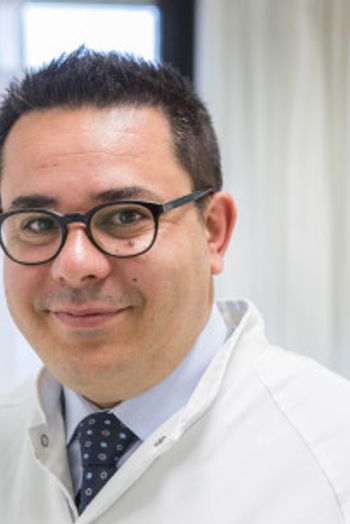
Sabato discussed how research in the field will inform how to best utilize novel therapies for indolent systemic mastocytosis now that a disease-modifying therapy is available.