

Investigators developed and validated a novel model to identify liver fibrosis in patients with diabetes which performed better than existing models.
Investigators developed and validated a novel model to identify liver fibrosis in patients with diabetes which performed better than existing models.

Patients taking immunosuppressive and hepatitis B antiviral drugs after living donor liver transplant had lower antibody response to COVID-19 vaccination.

Bernaudin discussed the Drepagreffe-1 and 2 studies and improvements seen over 10 years of follow-up.

In the final segment of this episode, the discussion focuses on next steps for the PARASOL Initiative and its potential to transform FSGS drug development.
In part 3 of 4 from this episode, the discussion focuses on establishing surrogate endpoints for clinical trials in focal segmental glomerulosclerosis.
In part 2 of 4 from this episode, the discussion focuses on the groundbreaking work of the RADAR Registry and the PARASOL Initiative.
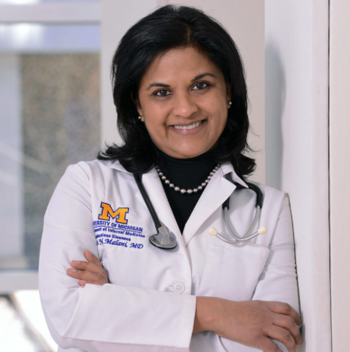
In part 1 of 4 from this episode, the discussion focuses on the backgrounds of guests Laura Mariani, MD, MS, and Daniel Gale, PhD, MB BChir.
This 4-part episode focuses on the PARASOL Initiative and the landscape of focal segmental glomerulosclerosis treatment.

This analysis involved assessing rates of lifetime as well as prior 12-month treatment use for AUD, in addition to demographic and clinical characteristics linked to AUD treatment.

A new study identifies sex differences in MASLD adverse events, such as females having a greater risk of developing cirrhosis and males having a greater risk of non-liver cancers.
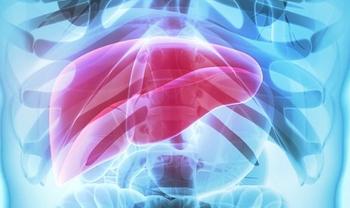
The inflammation-based scoring system provides the first tool for predicting long-term mortality in hepatitis B-related acute on chronic liver failure.
Real-world clinical data from the Adelphi PNH II Disease Specific Programme were reported at ASH 2024.
The FDA-approved Scanly, a home-based OCT device, revolutionizes nAMD care by empowering patients with self-monitoring and enhancing personalized treatment.

Danicopan add-on therapy demonstrated more favorable safety in the ALPHA trial than pegcetacoplan did in the PEGASUS trial in a new analysis.

Investigators looked at the effects of the exposome among patients with atopic dermatitis in order to better understand the influence of such elements as obesity and microorganisms.

A study found only 38% of patients in the large US academic health system screened for depression received antidepressants or mental health referrals.
Hypovolaemic phlebotomy reduced perioperative blood transfusion and improved operative conditions versus usual care in patients undergoing liver resection.
Navigating the long road of Long COVID requires more than just recovery from an infection, it demands specialized, multifaceted care to address persistent and often invisible neurological symptoms.

These 52-week data highlight bimekizumab’s efficacy in the scalp, nail, and genital region for psoriasis, along with Dermatology Life Quality Index (DLQI) improvements.
A recent study found that loneliness among adults aged 50 – 80 increased from 2018 to 2022 and dropped in 2023 and 2024.

Mayo explains current shortcomings of pruritus care in PBC and what the additions of elafibranor, seladelpar, and other agents in development may offer.

Appiah-Kubi also noted that despite elevated HbF levels, very young children with SCA already had anemia and reticulocytosis.

Pipe discussed findings from the open-label extension of the ATLAS studies at ASH 2024.
Chaturvedi discussed findings from the NeST study at ASH 2024, including an increased risk of stroke in those with silent cerebral infarction progression.

A recent study examined the phase 3 trials ADVANCE, PROGRESS, and ELEVATE and saw atogepant 60 mg as a preventive migraine treatment improves quality of life and functioning.

HepB-CpG achieved superior seroprotection response versus conventional HepB-alum in patients with HIV and nonresponse to prior hepatitis B vaccination.

Study findings highlight systemic and local autonomic imbalance in patients with IBS-C, pointing to the value of autonomic modulation in this population.
In this month's episode of Lungcast, Jacob Sands, MD, discusses the American Lung Association’s recently newly-released 2024 State of Lung Cancer report.

A study found 66.4% of participants with probable PTSD had a life stressor of unwanted sexual experiences.
Piatek shared the latest data update from the phase 3 ALPHA study at the ASH 2024.