

Initiation of population-wide CKD screening followed by conventional CKD treatment plus SGLT2 inhibitors at 55 years of age was cost-effective.
Initiation of population-wide CKD screening followed by conventional CKD treatment plus SGLT2 inhibitors at 55 years of age was cost-effective.
In this latest episode of Lungcast, multiple points of view are highlighted regarding Aspirin-Exacerbated Respiratory Disease (AERD).

The risk score uses routine clinical data to assess hepatocellular carcinoma risk in patients without viral hepatitis or hepatic decompensation.
Masri discussed the new phase 3 trial of Intellia’s NTLA-2001 or nex-z.

This analysis highlighted links between depression, stigmatization, anxiety, and health- and disease-related variables among individuals with HS in Europe.

Computer-aided detection during colonoscopies with AI may help increase adenoma detection rates.

HCPLive takes a look at one of the newer fields investigating gene therapy, which has been enabled by trials and approvals in hematology, ophthalmology, and other spaces.

These results point to the value of awareness among physicians and patients of the risk of psoriasis linked to immunotherapy during cancer care.

The CRL is consistent with the outcome of a September Gastrointestinal Drugs Advisory Committee meeting.

Alkhouri explains the first real-world data on the use of resmetirom (Rezdiffra) in patients with MASH and how they compare to clinical trial findings.

Silberg urges wider physician education on celiac screening, stressing that guidelines must reach primary care to address disparities and misconceptions.

These data were explored to identify risk, recommendations, and guidelines related to vaccine-related allergic reactions such as anaphylaxis.

Treatment with the novel selective endothelin receptor type A antagonist alongside standard care reduced UPCR in patients with IgAN in a phase 2 trial.
A study presented at NASPGHAN 2024 found only 10% of eligible kids were screened for celiac disease. Debra Silberg, MD, PhD, urges unbiased, consistent screening.

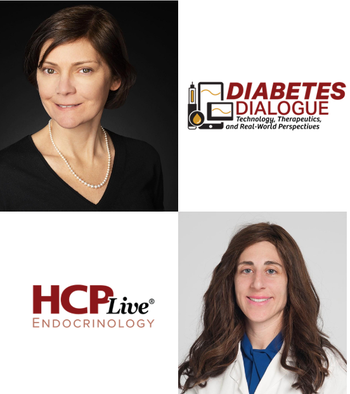
In this episode, hosts spotlight updates on Abbott’s Libre 3, Tidepool integration, and Omnipod 5 iOS app, expanding flexibility in diabetes management.

MJH Life Sciences, parent company of HCPLive, has acquired the RAD Annual Meeting, a premier CME-certified conference advancing dermatology knowledge and research.

Emraclidine fails to significantly reduce schizophrenia symptoms in phase 2 EMPOWER trials, with no statistical difference from placebo on PANSS score.

Phase 1b data support proof-of-principle for EBX-102 across microbiome and clinical assessments as well as inflammatory biomarkers for cirrhosis.

These data on patients in Japan with eczema suggest there was sustained effectiveness in these patients’ clinical signs and in patient-reported outcomes.

Research presented at NASPGHAN 2024 found most children with chronic hepatitis C had neurodevelopmental disorders, highlighting the need for proactive care.

A Q&A with a pediatric gastroenterologist on new data detailing trends in water bead injuries in the US from 2013 through 2023.

PEDFIC data at NASPGHAN 2024 show mild, transient diarrhea events with odevixibat for cholestatic pruritus in PFIC, resolving in most cases.
A 10-year study reveals a surge in water bead injuries in young children, with an increase in cases requiring surgical intervention for bowel obstructions.

At NASPGHAN 2024, Collen told HCPLive the promising early data of advanced combination therapy for pediatric refractory IBD although hurdles exist.

Meta-analysis of 30 studies highlights serum markers as prognostic tools for liver survival post-portoenterostomy in biliary atresia.

In this analysis, patterns of global access to biologic drugs for patients with atopic dermatitis were explored among 50 countries.
HCPLive spoke to Collen at NASPGHAN 2024 about early research on environmental exposures prevalent in children with Crohn’s Disease.

Linaclotide trial shows effective constipation relief for pediatric patients with neurodevelopmental disorders, with high treatment adherence and safety profile.
New data from the UNOS database presented at NASPGHAN 2024 details characteristics and outcomes of pediatric liver transplant patients receiving machine perfused organs.