
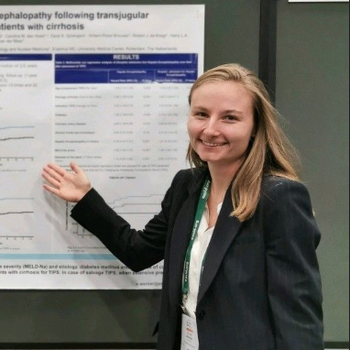
Diabetes was associated with an increased risk of liver transplant or death and with liver-specific events in patients with PBC.
Diabetes was associated with an increased risk of liver transplant or death and with liver-specific events in patients with PBC.

Marianna Fontana, MD, PhD describes the prognostic importance of a decline in eGFR in a retrospective cohort of patients with ATTR-CM.

Zhang explains the safety of different FDA-approved alcohol use disorder drugs in patients with alcohol-associated liver disease.

GERD diagnoses in BRUE infants were linked to frequent acid suppression use and repeat hospital visits, according to a study presented at NASPGHAN 2024.

In this interview, Han highlighted new information included in the GOLD 2025 Report regarding utilization of dupilumab and ensifentrine for certain patients with COPD.

Zerlasiran reduced Lp(a) by over 90% at 60 weeks with consistent efficacy and no serious drug-related adverse events, supporting its phase 3 trial progression.

Liver transplant waitlisting after a weekend was associated with higher 1-year post-transplant mortality compared with patients listed on a weekday.

Susan Taylor, MD, and Linda Stein Gold, MD, join The Medical Sisterhood for an intimate conversation on the importance of role models and mentors.

Teckman explains the value of a new predictive algorithm model for determining future risk of portal hypertension, cirrhosis, and liver transplant in AATD.

More than half of US adults—approximately 137 million—are candidates for semaglutide based on diabetes, weight management, or cardiovascular prevention indications.

A nasal spray form of bumetanide reduced tissue swelling from heart failure as effectively as the oral and intravenous formulations.

Sacubitril/valsartan reduced the risk of heart damage among high-risk cancer patients treated with anthracycline chemotherapy agents.

HCPLive spoke with Lat at NASPGHAN 2024 about how for communities with high H. pylori prevalence, it is best to test for H. pylori before a colonoscopy.

GLP-1RA use was associated with a reduced risk of adverse liver outcomes in patients with alcohol-associated liver disease and type 2 diabetes.

Orly Vardeny, PharmD, MS, discusses the management and monitoring of hyperkalemia among patients with heart failure with preserved ejection fraction using finerenone.

In these updates and new sections, the 2025 GOLD report included highlighted climate change, cardiovascular risk, and pulmonary hypertension.

Compared with non-Hispanic White patients, racial/ethnic minority patients were more likely to be removed from the waitlist and not receive a transplant.

Christian. T. Ruff, MD, MPH describes an analysis of AZALEA-TIMI 71 demonstrating the substantial benefit of abelacimab on bleeding outcomes in patients on antiplatelet therapy.

High adherence to the Mediterranean diet was linked to a lower risk of liver-related outcomes as measured by the Liver Risk score.

Ankeet Bhatt, MD, MBA, ScM, provides additional insight into NUDGE-FLU data he presented at AHA 2024.
Electronic messages highlighting cardiovascular benefits of flu shots increased vaccination rates by 1.8% in heart attack survivors.

Barry A. Borlaug, MD describes the beneficial effect of tirzepatide on circulatory pressure-volume overload and end-organ damage in patients with HFpEF and obesity.

Patients with PBC and moderate/severe pruritus face a greater health-related quality of life burden and impaired activity than those with no/mild itch.

Kowdley explains how treatment with elafibranor (Iqirvo) improves transplant-free survival based on changes in GLOBE and UK-PBC prognostic scores.

Kim explains how poor sleep is linked to negative impacts on mental health, physical health, and frailty after liver transplantation.

An IV infusion of exenatide during cardiac surgeries involving bypass did not significantly benefit mortality or organ injury compared with placebo.
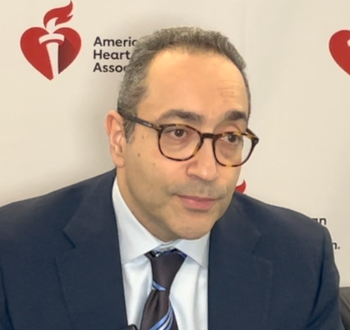
Oussama Wazni, MD, discusses the results of the OPTION trial examining LAAC in atrial fibrillation as well as its reception as AHA 2024.

Obesity-related ischemic heart disease deaths rose from 1999 to 2020, particularly in middle-aged men and Black adults, per CDC WONDER data.
Treatment with elafibranor (Iqirvo) improved prognostic GLOBE and UK-PBC scores as early as week 4 in the phase 3 ELATIVE trial.

A single dose of nex-z achieved consistent and rapid reductions in serum TTR levels over 12 months of follow-up in patients with ATTR-CM.