

Iyer describes differences between short bowel syndrome and intestinal failure and explains the value of GLP-2 analogs like apraglutide for treatment.
Iyer describes differences between short bowel syndrome and intestinal failure and explains the value of GLP-2 analogs like apraglutide for treatment.

A study revealed using language models as diagnostic aids did not significantly enhance clinical reasoning or accuracy among physicians over conventional resources alone.

Stein Gold speaks in this interview about the new lebrikizumab (Ebglyss) data presented at the Fall Clinical Dermatology Conference.

Sands reviews long-term phase 3 data from the LUCENT-3 and VIVID-2 extension studies of mirikizumab in UC and CD presented at ACG 2024.
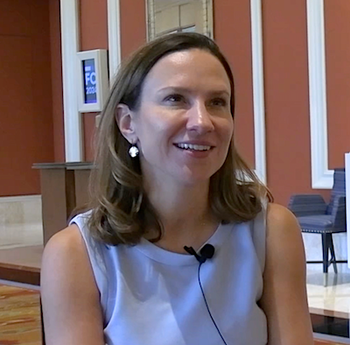
Murina highlighted takeaways from her seminar-in-depth regarding the evolving therapeutic landscape of HS.

The FDA originally issued a CRL requesting additional CMC data in April 2024.

At AAO 2024, Quan Dong Nguyen, MD, and Jia-Horung Hung, MD, discuss the Phase 2 Neptune trial investigating brepocitinib for active non-infectious uveitis.

Axelrad reviews preliminary findings from a study assessing the utility of a new monitoring technology for improving IBD medication adherence and outcomes.

This discussion with Murina covers several tips for dermatologists to implement, 1 of which touched on omega-3 supplementation for ocular rosacea.
A trio of stakeholders join Lungcast to discuss the ongoing, long-term assessment into the patterns and drivers of chronic lung disease in a real-world cohort.

At AAO 2024, Wykoff discussed first-time extended results from AMARONE showing Restoret’s effectiveness in improving outcomes for patients with DME and nAMD.
In her Fall Clinical interview, Murina highlighted several key takeaways related to her talk titled ‘Managing Psoriasis with Oral Therapy: 2024 & Beyond.’

Data from ACG 2024 show only 1 in 12 patients eligible for second-line PBC therapy are actually doing receiving it—and it may take up to a year to initiate.
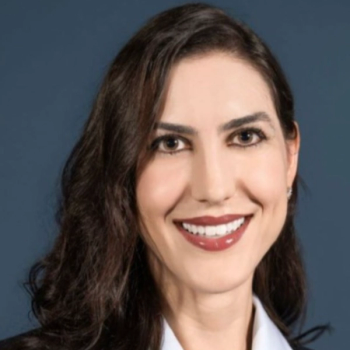
Jacqueline Khalil, DO, reviews findings from 2 studies about the association between hormone replacement therapy with IBS and gastric motility disorders.
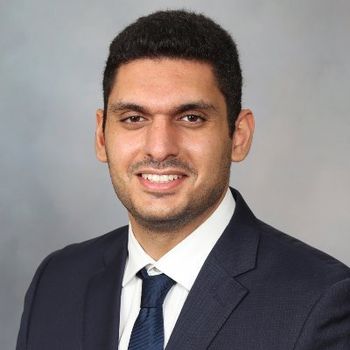
ChatGPT may provide helpful information around gastroparesis, IBS and celiac disease diets, according to findings from a new study.

Braden Kuo, MD, explains how GLP-1 RA use increases residual gastric content but does not significantly impact negative endoscopy outcomes.

This interview from Fall Clinical covers 2 additional tips for clinical practice as well as unmet needs among patients.

Katherine Tuttle, MD, joins the podcast for a deep dive into the latest FLOW data from Kidney Week 2024.

Lacy explains the potential value of an ambulatory wireless patch test for identifying unique gastric activity patterns and individualizing patient care.

At AAO 2024, Kay presented an overview of gildeuretinol, an oral vitamin A derivative offering hope for patients with Stargardt disease.

Fass reviews findings from a post hoc analysis of a phase 2 trial suggesting the value of vonoprazan as an on-demand NERD treatment.

In this interview at Fall Clinical Dermatology, Ferris and Bhatia highlighted several elements of skin cancer detection and management as well as unmet needs of patients.
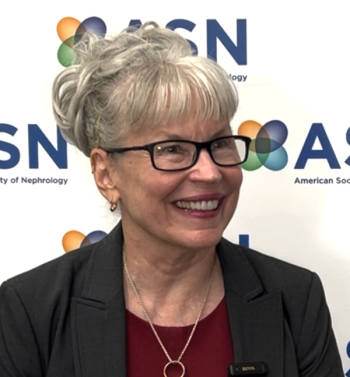
Carla Nester, MD, discusses her perspective on the APPEAR-C3G 12-month data from ASN Kidney Week 2024.

The APPEAR-C3G trial’s 12-month data show Novartis’ iptacopan significantly reduced proteinuria in C3G, with sustained renal improvements and stable eGFR.

Njei points to the need for improved lean MASLD screening, citing findings from his research about its prevalence and the burden of undiagnosed disease.
This Fall Clinical Dermatology Conference interview with Song features a discussion regarding several useful clinical pearls for dermatologists.
New ACG 2024 data show patients with both IBD and vitamin D deficiency face longer, more expensive hospital stays, as well as risk of colectomy.

Ritter reviews findings from 2 real-world studies supporting the safety and efficacy of live-jslm (Rebyota) for recurrent C Diff infection.

New late-breaking ACG 2024 data supports AIMS65 as a risk factor tool for patients undergoing anticoagulant reversal.

The CRAC channel inhibitor zegocractin significantly improved acute pancreatitis patients' time to eating food and risk of respiratory failure in new data.