

This analysis aligns with previous research into dose optimization of biologics for psoriasis, affirming enhancement of outcomes without compromising patient safety.
This analysis aligns with previous research into dose optimization of biologics for psoriasis, affirming enhancement of outcomes without compromising patient safety.
An introductory episode for Medical Ethics Unpacked, a monthly multimedia series hosted by medical ethicist Dominic Sisti, PhD, and psychiatrist Steven Levine, MD, exploring ethical issues in contemporary healthcare.

In part 3 of our Special Report on lipoprotein apheresis, Sperling and Gianos discuss future considerations for use and the evolving landscape of lipid management.
In part 2 of this 3-part series, Sperling and Gianos highlight the role of lipoprotein apheresis in contemporary settings and the supporting evidence base.
Laurence Sperling, MD, and Eugenia Gianos, MD, discuss the historical context and underutilization of lipoprotein apheresis in part 1 of a 3-part video series.

Following the approval of sodium oxybate for cataplexy in adults with cataplexy, the FDA approves this indication for the pediatric population.
The FDA has extended its review of the sNDA, delaying the previous October 15, 2024, PDUFA date, without providing a new anticipated action date.

This analysis was conducted to evaluate whether genetic risk of hidradenitis suppurativa was linked to greater risk of future cardiometabolic disease.

A new study identifies antipsychotics to avoid for patients with schizophrenia who have cognitive deficits, including haloperidol, fluphenazine, and clozapine.

Adherence to an adapted low FODMAP diet and its impact on IBS symptoms were not affected based on the presence of fibromyalgia.

Findings from the study also continued to support a positive Ara h 2-sIgE as the single most important predictor of peanut allergy.

Incorporating baked milk products into a regular diet may improve growth and quality of life in milk-allergic children.

This review compares the clinical and real-world outcomes of drugs such as mepolizumab versus drugs such as benralizumab for severe eosinophilic asthma.

A study found infants under 1 year with food allergies can safely consume small doses of allergens, which helps reduce allergic reactions later in life.

Data show age may be a significant effect on results from contact dermatitis patch tests.

Patients who underwent FESS required less medication and had fewer allergy and pulmonology visits than patients who did not have surgery.

Proof-of-mechanism data from the phase 1b/2a study of WVE-006 represent the first-ever clinical demonstration of RNA editing in humans.

Early epinephrine intervention at home can potentially successfully treat anaphylaxis in children without further treatment in a hospital setting.

This review provides an overview of current data on immune development and risk factors for preterm-born infant development of respiratory infections and wheezing.

A new study identified 9 distinct trajectories of asthma and allergy in children, with variations in disease progression, parental reporting, and medication use.

The literature review suggests allergen immunotherapy can effectively treat allergic asthma and prevent its development in patients with allergic rhinitis.

Compared with older nomenclature, MASLD was significantly associated with severe artery calcification.

Increased serum TBA levels at baseline significantly raised the risk of HCC development in patients with multi-etiology cirrhosis.

These data on metabolic dysfunction-associated steatotic liver disease provide information on the economic burden among high-risk patients.

The study found that, following gradual policy changes, children with acute liver failure requiring a transplant now face a reduced risk of both mortality and graft failure from 1989.

Findings highlight the potential utility of the FAST score for ruling out fibrotic MASH, pointing to the need for a sequential testing approach to rule it in.

The Accure Laser System is indicated for long term treatment of patients known to have mild to severe inflammatory acne vulgaris.
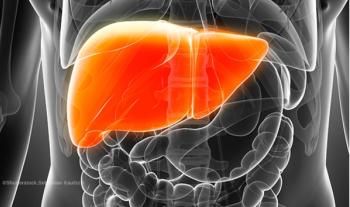
The burden of LC-MASLD has significantly increased, especially in economically disadvantaged countries.

SGLT2 inhibitors appeared effective in improving hepatic inflammation and fibrosis indices in patients with type 2 diabetes and suspected MASLD.

This analysis may help identify at-risk patients of liver enzyme elevation following sustained virologic response among individuals with hepatitis C virus infection.