

Post hoc analyses from the LIBERTY trials support infliximab as either a monotherapy or combination therapy for ulcerative colitis or Crohn's disease.
Post hoc analyses from the LIBERTY trials support infliximab as either a monotherapy or combination therapy for ulcerative colitis or Crohn's disease.

This interview features a discussion with Bhatia and Ferris regarding the necessity of collaboration between dermatologists and oncologists for skin cancer.
In this interview, Neal Bhatia, MD, and Laura Korb Ferris, MD, PhD, spoke on their Fall Clinical Conference talk titled ‘Beyond the Biopsy: Other Methods To Help Us Manage Skin Cancer.’

Lacy explains limitations to current motility measurements and reviews findings from his study exploring the potential of a wireless motility patch system.

Hiddo Heerspink, PhD, PharmD, joins the podcast during Kidney Week 2024 to discuss the SMART trial and the potential of semaglutide in people with kidney disease without diabetes.
This interview with Bunick highlighted the LEVEL UP phase 3b/4 trial findings regarding upadacitinib treatment of patients with atopic dermatitis.
Neuen, Wadhwani, and Barratt discuss atacicept promise in IgA nephropathy based on phase 2b ORIGIN OLE results, at-home use, and the future of kidney disease care.

New ORIGIN trial data show atacicept may slow kidney decline in IgA nephropathy to rates seen with healthy aging, with notable reductions in Gd-IgA1 and UPCR.

Refardt discussed findings from the largest hyponatremia trial ever conducted, including 2174 participants across 9 European centers.

These findings from the phase 3 STRATUM trial suggest significant DLQI score improvements as early as the second week of treatment with roflumilast foam.
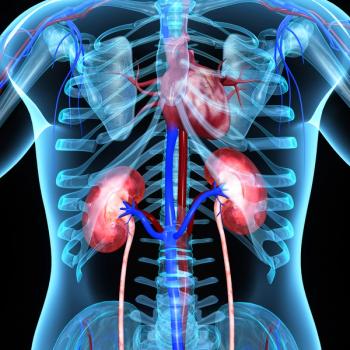
The dapagliflozin group had an average eGFR rate of -2.24 mL/min/1.73 m2 compared to -3.67 mL/min/1.73 m2 in the control group after about 1.5 years of follow-up.

Richard Pratley, MD, discusses how FLOW mortality data informs the use of semaglutide in patients with chronic kidney disease and type 2 diabetes.
In this interview, Bunick spoke about the contents of his Fall Clinical Dermatology presentation specifically regarding mechanisms of action and safety of systemic therapies.

Participants receiving semaglutide had an overall hazard ratio of 0.76 in the composite primary outcome of kidney failure, serious eGFR decline, or death compared to placebo.
Carla Nester, MD, provides perspective on the results of the VALIANT trial and how it informs the role of pegcetacoplan in C3G and IC-MPGN .

VALIANT trial data support pegcetacoplan as the first effective therapy for proteinuria, C3c staining, and eGFR stability in C3G and IC-MPGN patients.

In these data presented at the Fall Clinical Dermatology conference, population-based data on utilization and duration of systemic corticosteroid exposure was highlighted.

In this interview, Kwatra highlighted several key takeaways from his talks on prurigo nodularis, atopic dermatitis, and itch at the Fall Clinical Dermatology Conference.

Yee discussed how the data show a benefit in this hard-to-treat population, similarly to the heterogeneous FSGS group.

Yale's KAT-AKI trial found personalized EHR alerts for AKI management improved clinician actions but didn't reduce progression, dialysis, or mortality rates in patients.

In this interview segment, Del Rosso highlighted his Fall Clinical presentation takeaways covered in the talk ‘What’s New in the Medicine Chest - Part 2.’

Zand discussed interim 12-month findings from an open-label, phase 2 trial currently ongoing for patients with refractory primary focal segmental glomerulosclerosis.

New research indicates semaglutide reduced albuminuria and body weight in CKD patients without diabetes, highlighting its potential renal benefits.

These data from the ADapt study, presented at Fall Clinical, suggest improvements among patients with eczema given lebrikizumab-lbkz who had been previously treated with dupilumab.

After discontinuing therapy, treated participants still had an overall 13% reduction in the risk of kidney disease progression or cardiovascular death.

New FINEARTS-HF data shows that finerenone reduces albuminuria in patients with HFmrEF or HFpEF, but without significant eGFR changes.

On October 25, 2024, Kind Pharmaceutical announced receipt of FDA Orphan Drug Designation for AND017 in the treatment of sickle cell disease.

At AAO 2024, Khurana discussed rapid visual and structural gains for uveitic macular edema with vamikibart, paving the way for Phase 3 trials.

These data were presented at Fall Clinical, highlighting the reductions in Eczema Area and Severity Index scores and the overall long-term safety profile of tralokinumab-ldrm.

These data demonstrated guselkumab’s success for the majority of patients with low body surface area (BSA) moderate plaque psoriasis and special site involvement.