
This month in review focuses on early-stage clinical trials of sleep medicine and insights from sleep experts on topics such as OSA and CSA.
This month in review focuses on early-stage clinical trials of sleep medicine and insights from sleep experts on topics such as OSA and CSA.
This July 2024 month in review highlights renal pipeline updates, new patient-focused CKD guidelines, and other top nephrology news and research.
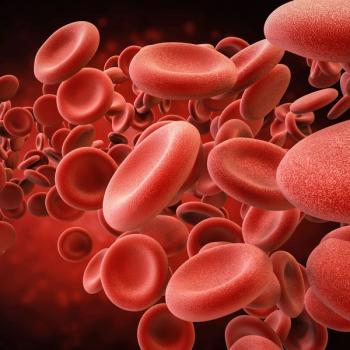
Patients with hemoglobin SS sickle cell disease type may experience a significantly elevated risk of retinal vascular occlusion.

These data also suggest that personalized nutritional advice may be necessary for different individuals, due to the clinical diversity and the impact of differences.

Low-dose aspirin does not worsen or prevent the progression of age-related hearing loss among older adults, a study found.

Grady explains the significance of the recent FDA approval of the first blood-based test for primary CRC screening and his hope for its impact on overall screening rates and compliance.

An analysis of more than 11,000 people with T1D found people were more likely to report an affected father than an affected mother.
The biosimilars month in review highlights recent FDA approvals and emphasizes new data demonstrating clinical equivalence and the potential impact on treatment options.
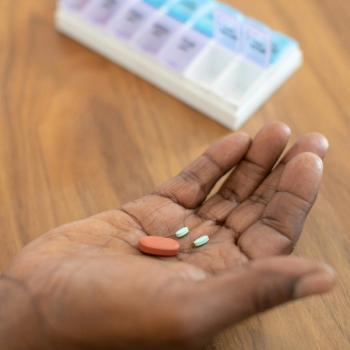
A first-time comparison in US patients displays the protective association of DOACs over warfarin use on RVO and intraocular bleeding risk.
This review of major news in pulmonology from July highlights an FDA decision regarding treatment for vaping dependence, prenatal pollution exposure’s impact on asthma, and more.
This month in review captures the top news in the psychiatry field during July.

Eli Lilly's tirzepatide showed a 38% reduction in heart failure outcomes and improved symptoms in adults with HFpEF and obesity in the phase 3 SUMMIT trial.
This July 2024 month in review highlights pipeline movement in hepatology as well as research about novel diagnostic/prognostic approaches and factors impacting hepatic health outcomes.

A teleretinal screening program improved the awareness of sickle cell retinopathy and motivated patients to visit an eye care provider.

In this Lungcast segment, Bludorn speaks on commonly-seen heat-related illnesses amid a changing climate as well as how to screen for related risks.

New research found high diastolic blood pressure is linked to greater odds of a female having a migraine. The study found no other associations between migraines and other CVD factors.

Findings support the safety and efficacy of using HBsAg-positive donor kidneys in HBsAg-negative recipients, noting a lack of impact on posttransplant outcomes.

Trust in physicians and hospitals dropped from over 70% in 2020 to under 50% in 2024, with declines seen across all demographics, a new survey shows.
This extended-release injectable suspension for schizophrenia and schizoaffective disorder is approved as a monotherapy and as an adjunct to mood stabilizers or antidepressants.

This designation was based on the ORCA-V1 trial’s phase 2 findings indicating that cytisinicline more than doubled patients’ odds of e-cigarette cessation versus placebo.

Older patient age was linked to suboptimal anti-VEGF response for diabetic macular edema in DRCR clinical trials.

The acellular tissue engineered vessel met co-primary endpoints for function and patency at 6 and 12 months compared to autogenous fistula in patients on hemodialysis.

This interview segment involved a discussion with Gooderham regarding the implications of recent clinical trial findings for patients with scalp and body psoriasis.

A new study found using e-cigarettes with partial nicotine reduction was linked to greater puffing time, puff duration, and total inhaled volume than 5% nicotine concentration.

Results showed significant reductions in mean HbA1c, fasting glucose, and insulin resistance in patients with chronic HCV infection and type 2 diabetes who achieved SVR with DAAs.

Geographic atrophy in eyes with dry AMD and macular atrophy in fellow eyes with neovascular AMD demonstrate similar growth rates.
In this interview, Gooderham highlights the ARRECTOR study findings which led to roflumilast foam’s supplemental new drug application to the FDA.

A new study found the group with the shortest seizure duration of ≤ 20 seconds had the lowest remission rate of 27.2%, compared with a 39.3% overall remission rate.

Greater circulating Z-polymer levels were associated with an increased risk of adverse clinical outcomes in adults with AATD and the PiZZ genotype.

A study cautions the AHA's new PREVENT equations may underprescribe statins and antihypertensives, potentially causing 107,000 more ASCVD events in 10 years.