

Counting down the most impactful news at major medical meetings, it’s the HCPLive Five! This episode focuses on 5 key interviews from the American Society of Retina Specialists (ASRS) 42nd Annual Meeting.
Counting down the most impactful news at major medical meetings, it’s the HCPLive Five! This episode focuses on 5 key interviews from the American Society of Retina Specialists (ASRS) 42nd Annual Meeting.

These data highlight gender differences related to dysmorphic concern and the prevalence of body dysmorphic disorder among those with various dermatologic disorders.

A study found deprescribing high-risk medication among older adults was no more effective than usual care in reducing medically treated falls.

Results suggest cholesterol absorption inhibitors are linked to a lower risk of liver cancer, but no association was observed for other nonstatins like fibrates, omega-3 fatty acids, and niacin.

Pre-dose IOP outcomes in eyes with DME receiving aflibercept 8 mg or 2 mg were comparable through Week 48 of the Phase 2/3 PHOTON trial.

A post hoc analysis of PHOTON showed the utility of aflibercept 8 mg in patients with DME, irrespective of baseline visual acuity.

New study finds semaglutide may reduce smoking urge in type 2 diabetes patients, decreasing tobacco use disorder medical encounters by up to 32%.

In this episode of Crisis Point, 3 experts in dermatology discuss ways in which those in the field are working to improve visibility of diverse skin types within dermatology education.

Depression A new study discovers a dual pathway framework where antidepressants are concomitantly negatively and positively linked to alcohol use.

The phase 3 trial suggest obicetrapib offered significant reductions in LDL-C when added to maximally tolerated lipid-lowering therapy in HeFH.

The phase 2 trial did not meet its primary endpoint for mean change in Crohn’s disease activity index in either VTX958 dosing group.

A recap of the 5 most popular topics related to gene therapy in ophthalmology coming from the 42nd American Society of Retina Specialists meeting.
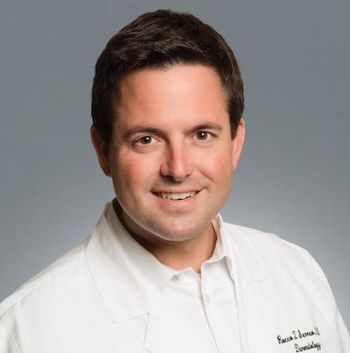
This announcement follows roflumilast’s July 9 approval for the once-daily treatment of adults and children with mild to moderate atopic dermatitis.

These data indicate the need for future analyses of possible chronic urticaria activity biomarkers, as well as other elements of patient response to omalizumab treatment.

The approval of Guardant Health’s Shield test makes it the first blood test to be approved as a primary screening option for CRC and the first to meet Medicare coverage requirements.

A study found wearable devices alerting irregular heart rhythms amplified anxiety in 1 in 5 participants with atrial fibrillation, which led people to be more likely to seek care.

Patients with MASH and cirrhosis had a greater prevalence of comorbidities and faced increased annual total health care costs compared to those without cirrhosis.

These findings support delgocitinib’s clinical benefit as a possible medication option for individuals with moderate to severe chronic hand eczema.

Hesitancy with anti-VEGF biosimilars was identified in a survey among both ophthalmologists and patients with nAMD in Canada.

Brett King, MD, PhD, discusses how the deuruxolitinib approval impacts the treatment landscape of alopecia areata.

A new study found claims for services of opioid treatment programs rose among Medicare beneficiaries after Medicare started covering them.

Findings suggest the current emphasis on targeting inflammation to mitigate fibrosis in MASLD may be incorrect, citing the minimal impact of LBP function loss on fibrosis.

Across 40 clinical scenarios, ChatGPT did not provide a comprehensive response in 50% of clinical questions with nearly 30% hallucinated sources.

A new study found probable PTSD was prevalent among adults in the community after a mass shooting, with greater prevalence among those previously assaulted.

Using NHANES data, researchers calculated AGILE 3 + and AGILE 4 scores to determine the prevalence of advanced fibrosis and cirrhosis in patients with MASLD in the US.

In this part of our 5-part series, Gus Alva, MD discusses the next steps in research for long-term effects and broader applications of MDMA-assisted therapy.
In this part of our 5-part series, Gus Alva, MD explores MDMA’s neurochemical impact and the need for ongoing research.
In this part of our 5-part series, Gus Alva, MD highlights the importance of education and overcoming skepticism about MDMA-assisted therapy.
In this part of our 5-part series, Gus Alva, MD talks about MDMA's efficacy in controlled settings and addresses misconceptions.
In this part of our 5-part series, Gus Alva, MD discusses the unmet need in PTSD treatment and the potential of MDMA-assisted therapy.