

Phase 2b data show combination bulevirtide and peginterferon alfa-2a therapy resulted in greater percentages of undetectable HDV RNA versus bulevirtide alone.
Phase 2b data show combination bulevirtide and peginterferon alfa-2a therapy resulted in greater percentages of undetectable HDV RNA versus bulevirtide alone.
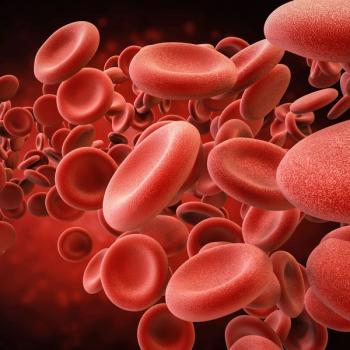
Daprodustat 25-30 mg was linked to the most significant rise in serum hemoglobin and reduced serum ferritin levels.

The second quarterly issue of 2024 reviews outcomes in liver disease after bariatric surgery, glucagon’s role in esophageal impaction management, and outcomes after cuffitis following pouch creation.
Qazi discusses implications from a recent study exploring the impact of post-IPAA cuffitis on long-term pouch outcomes and the risk of developing strictures and fistulas.

Findings suggest cuffitis after ileal pouch-anal anastomosis is linked to long-term complications including strictures and fistulas, potentially contributing to a greater risk of pouch failure.
Qazi reviews findings from a recent study suggesting glucagon does not have a significant impact on esophageal foreign body impaction resolution.

Findings from a recent randomized controlled trial suggest glucagon does not improve EFBI resolution, time of endoscopy, or extraction length.
Qazi discusses the impact of bariatric surgery on outcomes in patients with decompensated cirrhosis, highlighting its benefit in this patient population.

The retrospective analysis highlights improved outcomes among patients with obesity and a history of bariatric surgery hospitalized with decompensated cirrhosis.
The biosimilars month in review highlights recent FDA approvals and successful comparison trials.

In an interview at SLEEP 2024, Brager talked about the benefits of exercise on cardiovascular health and sleep.

Mona Shahriari, MD, discusses the evolving role of nonsteroidal topical options the management of plaque psoriasis.

These data suggest an association between dietary sodium intake and severity of eczema among patients.
This month-in-review features an exclusive interview with Srinivas R. Sadda, MD, and promising data from studies on geographic atrophy, diabetic macular ischemia, diabetic retinopathy, and AMD.

The VIO Skin Platform by Enspectra Health was designed to assess lesions indicating either basal cell carcinoma or squamous cell carcinoma.
In our nephrology month in review for May 2024, we spotlight the biggest news from the NKF and ERA meetings, including the latest updates in IgA nephropathy, C3 glomerulopathy, chronic kidney disease, and more!

Topline results from the randomized, placebo-controlled Phase 3 clinical trial demonstrated a statistically significant 87% reduction in IgG4-RD flares.

Late-breaking phase 3 data presented at EASL show elafibranor’s impact on managing PBC progression and improving itch-related quality of life in patients with pruritus.

Parthasarathy discussed next steps for research on the relationship between sleep disturbances and immunity in an interview with HCPLive at SLEEP 2024.

In this episode, hosts provide their audience with an overview of a pair of new studies on the topic of diabetes in pregnancy: the GLAM and CRISTAL studies.
Parthasarathy told HCPLive women have a weaker immune response to COVID-19 than men.
Our May 2024 month-in-review for hematology focuses on important FDA updates, new anemia data from ERA 2024, and the latest imaging modalities.
Follow HCPLive's coverage of the full-day FDA committee meeting regarding Lykos Therapeutics' application for MDMA-assisted therapy as a novel treatment for patients with PTSD.
This review of May 2024 covered several notable topics in the pulmonary health field, including research into vaping, lung abnormalities, and treatment of COPD.
Our endocrinology month in review for May 2024 highlights pipeline news in endocrinology and spotlights our coverage of the landmark FLOW trial from ERA 2024.
The May 2024 gastroenterology month in review spotlights top research from Digestive Disease Week 2024 and the FDA approval of ColoSense.
The month of May 2024 featured several notable studies in the field of dermatology, concerning topics such as a potential eczema flare vaccine, mobile versus in-person health, and skin cancer risk.
In an interview with HCPLive, Parthasarathy discussed the relationship between sleep disturbances and immune function.

Our cardiology month in review spotlights the top 5 storylines that defined cardiology during May 2024, including new HCM guidelines, news from ESA 2024, and the FLOW trial.