
The past year has seen a multitude of FDA approvals, ranging from IL-23 and JAK inhibitors to biologics and subcutaneous treatment administrations, that have helped redefine what it means to treat IBD.
The past year has seen a multitude of FDA approvals, ranging from IL-23 and JAK inhibitors to biologics and subcutaneous treatment administrations, that have helped redefine what it means to treat IBD.

A phase 2b clinical trial met its primary endpoint with positive topline results, showing MM-120 (lysergide d-tartrate) can reduce symptoms of generalized anxiety disorder, reflected in the Hamilton Anxiety rating scale scores.
Califf joins HCPLive to share perspective on AI, gene and cell therapy development, COVID-19, food and substance regulation, maternal and infant health, weight loss intervention, and more.

The New Drug Application submission is supported by data from a pair of phase 3 studies, a long-term open-label study, and prior phase 2 studies. Cymabay has also requested Priority Review of the NDA.

Patients with HCV who underwent automated routine screening and the addition of a clinical pharmacist to the interdisciplinary patient care model completed treatment and achieved SVR at a greater rate than patients who were not exposed to the study intervention.

Thyroid dysfunction was greater among patients with more severe CKD coupled with a high urine protein level.

Microbiota-based interventions may be a novel strategy to benefit the mitigation of chronic kidney disease advancement.

These results highlight the potential of preventing increasing CKD burden and of preventing subsequent cardiovascular conditions, especially given current rates of obesity among adolescents.

Patients who reported almost daily fresh vegetable consumption had higher eGFR compared to those with occasional consumption and those who consumed salt-preserved vegetables.

Continuous glucose monitoring metrics showed that patients with burnt-out diabetes and end-stage kidney disease experience significant undiagnosed hyperglycemia.

These data helped to verify the MDRD-4 and CKD-EPI equations’ accuracy in the estimation of GFR among the Brazilian population.

A new study demonstrated hemoglobin levels significantly increased with ziltivekimab, showing the monoclonal antibody has the potential to serve as a new treatment method for anemia.

Announced by Glaukos on December 14, 2023, the prostaglandin analog approval is indicated for the reduction of intraocular pressure among patients with ocular hypertension or open-angle glaucoma.

The new model outperformed existing measures of CKD progression based on longitudinal eGFR data alone and saw further improvements in AUROC with the inclusion of additional clinical variables.

Keli Coleman, MD, discusses findings from her research about the role of pain scores and opioids in predicting hospitalization and return visits in children with sickle cell disease and uncomplicated pain crises.

According to a new study, laparoscopic donor nephrectomy performed better than open donor nephrectomy regarding hospital stay length, urinary catheterization, operating time, and blood loss.
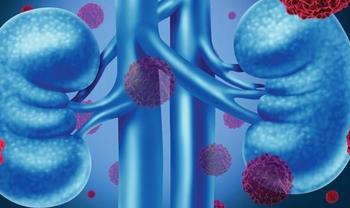
Results showed a 50.5% mortality rate among patients with cancer and AKI due to a variety of risk factors, ranging from length of ICU stay to sepsis.

Global incidence of T1D among children and adolescents <20 years old is substantial, but these rates exhibited significant variability by country, region, and age group.
From breakthroughs in disease intervention and vaccines, to global developments in air quality and COVID-19, Lungcast reflects on the people and stories that shaped this year in pulmonology.

This review of telehealth use among adolescents with allergic conditions synthesized evidence on patients’ transition to self-management of their conditions.

This web-based research is the first conducted to assess the burden of disease and treatment satisfaction among those in Japan with PN.

Patients with T1D diabetic retinopathy showed a longer duration of diabetes and increased age, compared to those without retinopathy.

Presented at ASH 2023, a new study demonstrated physical activity does not increase bleeding for patients with hemophilia A as patients with low physical activity still experienced frequent bleeding.
Following years of concerns about the stigmatization and inaccurate etiology of nonalcoholic fatty liver disease nomenclature, 2023 finally saw revised terminology for liver disease with the implementation of metabolic dysfunction-associated steatotic liver disease.

A cohort of patients with end-stage renal disease on maintenance hemodialysis saw a 7% reduction in HCV-viremic rate and primary infection rates as low as 0.01% following implementation of the link-to-treat program.

Late shift work is associated with sleep disorders the most for females, the age group <30 years old, people who live alone or with roommates, have only up to an elementary or secondary education, and people who work the night shift.
In recent conversations with experts in epilepsy, the impact of stigmatization remains high for patients and ongoing efforts by clinicians to address this issue in the clinical setting has been underscored, despite the global lack of awareness about new treatments and other resources.

Adding navy beans to one’s usual diet may be a viable dietary strategy for modulating the gut microbiome and regulating host markers associated with metabolic obesity and colorectal cancer.

Guizhi-Shaoyao-Zhimu Decoction treatment helps lower levels of blood uric acid, c-reactive proteins, erythrocyte sedimentation rate, interleukin 6, interleukin 8, tumor necrosis factor, and visual analogue scale more than conventional treatment for gout.

Results from the MOMPOD RCT indicate metformin added to insulin did not reduce the frequency of a composite adverse neonatal outcome in pregnant adults with diabetes.