

In this interview segment, Dr. Chovatiya discussed the challenges of diagnosing Type 2 inflammation in several different dermatologic diseases.
In this interview segment, Dr. Chovatiya discussed the challenges of diagnosing Type 2 inflammation in several different dermatologic diseases.

In this talk presented at the Fall Clinical Dermatology conference, Dr. James Del Rosso and Dr. Alexandra Golant debate the benefits of JAK inhibitors and monoclonal antibodies.

Linda Stein Gold, MD, explains how the safety considerations of nonsteroidal topicals must be weighed against their significant value in the treatment arsenal.
Linda Stein Gold, MD, discusses the notable transition in topical therapies for both psoriasis and atopic dermatitis, with the introduction of effective FDA-approved nonsteroidal treatments.
In this interview, Dr. Chovatiya touched on several important updates and recent developments in the JAK inhibitor space for dermatologists.

Designed to treat the acne's inflammation, bacteria and follicular hyperkeratinization, IDP-126 has shown significant efficacy compared to standard-care options already on the market.

In this interview segment, Dr. Nestor speaks on some of his biggest takeaways from his talk ‘What’s Coming Up Next?’ given at the Fall Clinical Dermatology conference.

April Armstrong, MD, MPH, explains how early detection of psoriatic arthritis and psoriasis is critical to prevent irreversible joint damage and improve patient outcomes.
April Armstrong, MD, MPH, explains the effectiveness of interleukin (IL)-17 and IL-23 inhibitors in treating moderate to severe plaque psoriasis and psoriatic arthritis.

Individuals in racial and ethnic minority groups and those with lower socioeconomic status were less likely to consent to participate in ophthalmic clinical studies.
The latest indication for the dual inflammatory pathway-targeting biologic expands dupilumab's clinical availability to third chronic skin disease.
The expanded Indication now includes children of all ages with achondroplasia, the most common form of skeletal dysplasia leading to disproportionate short stature.

This interview featured a discussion with Dr. Bhatia on the future of actinic keratosis diagnosis and treatment, as well as advances and important facts for clinicians to remember about risk.

Mona Shahriari, MD, and Andrew F Alexis, MD, MPH, discussed the multifaceted considerations dermatologists should weigh when treating patients with skin of color diagnosed with plaque psoriasis.

24-month results from OAKS and DERBY show that pegcetacoplan significantly reduced GA lesion growth with both monthly and every-other-month dosing.

These findings, presented at the Fall Clinical Dermatology conference, resulted from the ADjoin long-term extension study.
The approval was announced by Zydus Life Sciences Limited in a press release on October 20, 2023.

Exposure to maternal diabetes during pregnancy is associated with an increased risk of depression and anxiety in offspring later in life, according to a new study.
This interview at the Fall Clinical Dermatology conference featured a discussion with Dr. Bhatia regarding key insights from his talk ‘What You Need To Know NOW About Actinic Keratosis.’

A convolutional neural network accurately predicted eyes that progressed from intermediate AMD to GA within 1 year using volumetric SD-OCT scans.

Susan C. Taylor, MD, emphasizes the importance of understanding the unique biological differences and needs of individuals with skin of color.

In this interview on the conference floor at Fall Clinical Dermatology, Dr. Lio discussed the important topic of treating patients with eczema that have skin of color.

Results of several clinical trials demonstrated the superior efficacy of risankizumab compared with apremilast or placebo.
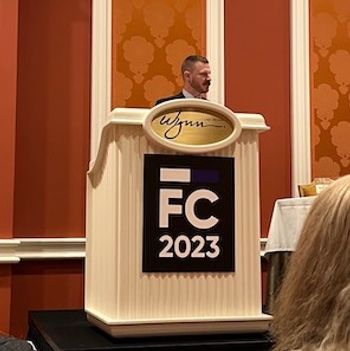
This presentation at the Fall Clinical Dermatology conference in Las Vegas explored the topic of advancements in HS treatment.

Benjamin Lockshin, MD, explains the current landscape of oral medications for plaque psoriasis, emerging developments in treatment, and the importance of shared decision-making.

Although both anti-VEGFs maintain a consistent safety profile, aflibercept shows a more pronounced short-term inhibitory effect on inflammation after vitrectomy for diabetic retinopathy.

Final data from STARS Nutrition were presented at United European Gastroenterology Week 2023, demonstrating a significant reduction in parenteral support.

This case report from Brady Pregerson, MD, features a woman in her mid-80s with a history of ASCVD admitted for intermittent chest pain. Check out the ECG and determine the correct diagnosis!

New cross-sectional research indicates factors influencing ocular lesion status can include diabetes status, prednisolone dosage, and systemic infection status after kidney transplantation.

An analysis of more 13,000 children with type 1 diabetes suggests puberty onset in children with type 1 diabetes is occurring earlier now than it had been at the turn of the century.