

A post hoc analysis of the phase 3 YOSEMITE and RHINE trials found significantly more patients had leakage resolution with faricmab than with aflibercept at Week 16.
A post hoc analysis of the phase 3 YOSEMITE and RHINE trials found significantly more patients had leakage resolution with faricmab than with aflibercept at Week 16.

In this segment of his interview, Dr. Chovatiya discussed some of the key safety data on secukinumab following the drug’s FDA approval for hidradenitis suppurativa.

Data presented at ASN Kidney Week 2023 described the effects of SGLT2 inhibition in young patients with Alport syndrome.

Results from the phase 3 YOSEMITE and RHINE trials show more than half of faricimab treat-and-extend patients met the criteria for a potential every-20-week dosing extension.

An analysis of Target-HTN provides new insight into the effects of lorundrostat among patients with uncontrolled or treatment-resistant hypertension.

Results presented at ASN Kidney Week 2023 highlighted the efficacy of twice weekly hemodialysis.

A subgroup analysis of hemodialysis patients treated with cognitive behavioral therapy for insomnia was presented at ASN Kidney Week 2023.

Rajiv Agarwal, MD, MS, provides insight into an analysis from ASN Kidney Week 2023 detailing the effect of early albuminuria reduction on risk of adverse kidney and cardiovascular outcomes in people with T2D and chronic kidney disease.

Presented at ASN Kidney Week 2023, results of the ENVISION trial provide the latest insight into effects of sibeprenlimab in management of IgA nephropathy as the nephrology community awaits the results of its ongoing phase 3 trial.
Our gastroenterology month in review highlights multiple FDA approvals, conference coverage from ACG 2023, and other top news in gastroenterology.

In our October 2023 endocrinology month in review, our editorial team highlights regulatory updates, pipeline news, and conference data capturing the attention of the field during the month.

John W. Ostrominski, MD, describes the prevalence and overlap of cardiac, renal, and metabolic conditions in US adults over a 20-year period.

VOQUENZA® provides quicker healing than Lansoprazole, according to an FDA-approved Phase 3 study
In this interview, Dr. Chovatiya responds to questions about the new FDA approval of secukinumab for patients with hidradenitis suppurativa.

This new research sheds light on the importance of follow-up meetings for young patients discharged from emergency departments.

Patients with progressive DKD had greater gastrointestinal symptom scores than those with stable DKD.
Our October 2023 hepatology month in review features phase 2/3 data, updates in the hepatology pipeline, and other top news.
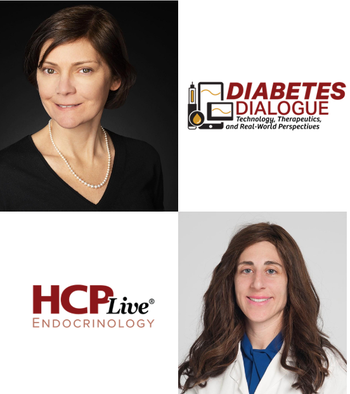
In this episode, hosts discuss the FDA clearance of the Omnipod 5 App for iPhones and a pair of studies examining use of automated insulin delivery systems.

Adults with ADHD have greater reduction of symptoms with regulatory licensed doses of stimulants than unlicensed doses.
Secukinumab (Cosentyx) becomes the first IL-17A inhibitor, as well as the first drug since 2015, approved to treat adults with moderate to severe HS.

This segment of Dr. Kwatra’s latest interview featured a discussion on the future of prurigo nodularis treatment and the implications of his team’s research.
The FDA announced the approval of ustekinumab-auub (Wezlana) as a biosimilar and interchangeable to ustekinumab (Stelara) for a half dozen inflammatory conditions on October 31, 2023.

Patients with RAO had a higher risk of death, stroke, and myocardial infarction at both short-term and long-term intervals compared to matched controls diagnosed with cataract.
In this interview, Dr. Kwatra explored the recent phase 3 data from the Olympia 2 study on nemolizumab treatment for patients with prurigo nodularis.

Smoking intensity was shown to be associated with larger microvasculature dropout areas in patients with glaucoma, particularly those with more severe disease.

The risk of fractures was 14% greater in the group with patients with the autoimmune disease than the control group.

A study from investigators in Italy sheds further light on the relationship between physical activity and diabetic polyneuropathy risk in patients with type 1 diabetes.

Marla Dubinsky, MD, discusses findings from the LUCENT program and their role in the recent FDA approval of mirikizumab for ulcerative colitis.

12-month GATHER2 results show monthly avacincaptad pegol 2 mg was well tolerated and showed significantly slower geographic atrophy growth than sham treatment.

These new results highlight the importance of further examining the link between cyberbullying, social pressures, academic performance, and eczema.