

Advanced therapies for inflammatory bowel disease, namely small molecules and biologic therapies, did not increase the risk of a major adverse cardiovascular event or venous thromboembolism.
Advanced therapies for inflammatory bowel disease, namely small molecules and biologic therapies, did not increase the risk of a major adverse cardiovascular event or venous thromboembolism.

New research highlights the potential health risks associated with using smokeless tobacco, including anemia, hypertension, and chronic kidney disease.

Dr. Song spoke in this segment of his interview on several more insightful elements from his presentation titled ‘Early Dermatology Practice Pearls.’

Consumption of fruit and vegetables was found to be protective while consuming sweet snacks and candy along with supercenters and warehouse clubs as a primary food source were determined to be risk factors for early onset colorectal cancer mortality.

In a new study, upper endoscopy identified the cause of iron deficiency anemia in more than 70% of children.
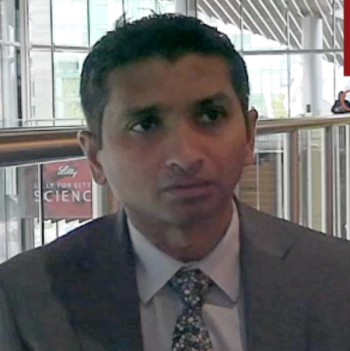
Investigator Jiten P. Kothadia, MD, discusses the advent of a predictive score for alcohol relapse risk in patients with alcohol liver disease who received a liver transplant in the last year.
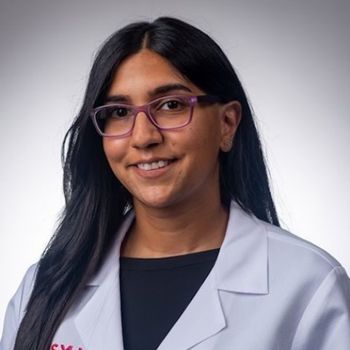
The 15 mg dose of tirzepatide was the most efficacious GLP-1 agonist for obesity management in patients without diabetes in a systemic review of data from MEDLINE and Embase databases.
In this interview segment, Dr. Song provided several unique viewpoints presented in his conference talk ‘Early Dermatology Practice Pearls.’

Presented at ACG 2023, findings from a retrospective cohort analysis revealed patients with ALD diagnosed with and prescribed at least 1 medication for alcohol use disorder had a decreased risk of mortality.

A large pediatric study suggests the diagnostic marker is both reliable and practical with high sensitivity and acceptable specificity for identifying iron deficiency and iron deficiency anemia.

Patients with plaque psoriasis, including in intertriginous areas and genitalia, experienced rapid improvement when treated with tapinarof cream 1%, offering an effective and well-tolerated nonsteroidal option for this condition.

Results from a series of focus group discussions revealed donors, collection staff, and physicians supported iron supplementation if donors were given freedom of choice and necessary information about iron deficiency and supplementation.

The approval of infliximab-dyyb as a maintenance therapy following IV infliximab for patients with moderately to severely active ulcerative colitis and Crohn disease was announced on October 22, 2023.
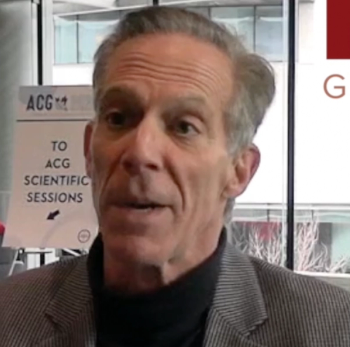
Thomas F. Imperiale, MD, discusses the pivotal findings showing improvements to the prior iteration of Cologuard, as well as bettered sensitivity and specificty relative to fecal immunochemical tests.
The first-of-its-kind Aurora EV-ICD system offers a single-device, single procedure with a lead placed outside of the heart and veins.
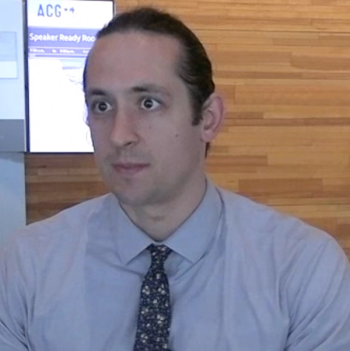
Data presented at ACG 2023 shows a significantly increased risk of infection and hospitalization due to RSV in patients with IBD. An investigator discusses implications during an era of increased vaccine options.

An analysis of data from nearly 500 patients provides insight into the contributions of anemia to reduced exercise tolerance observed in patients with heart failure with preserved ejection fraction.

Presented at United European Gastroenterology Week 2023, results of the retrospective study showed ferric maltol was safe for us in pregnant patients with IBD and iron deficiency anemia.

Dr. Eichenfield used this interview segment to respond to the FDA’s recent decision not to approve dupilumab for chronic spontaneous urticaria.
New phase 1b data supports further investigation into Adiso Therapeutic's prospective treatment.
Post-hoc analysis clarifies efficacy of upadacitinib for patients with moderately to severely active Crohn's disease with a CDAI of 220 or more.

New data presented at ACG 2023 showed an approximate 60% success rate of recurrent C difficile prevention in adults with comorbid conditions including CKD and cardiac disease.
Presented in an abstract at ACG 2023, filgotinib missed both co-primary endpoints at week 10 but was efficacious at week 52 in the maintenance cohorts.

Dr. Eichenfield spoke in this interview segment on the tips shared in his presentation at the Fall Clinical Dermatology conference in Las Vegas.

Tildrakizumab significantly improved work productivity and reduced work activity impairment in patients with moderate to severe plaque psoriasis, highlighting this treatment's quality of life benefits.

Secukinumab treatment resulted in greater improvements compared with placebo at week 12, with responses increasing through week 52.

Results from the POETYK PSO-1 trial showed significantly greater improvements in patients receiving deucravacitinib compared with placebo or apremilast.
In this interview, Dr. Eichenfield shared his views on this week’s approval by the FDA of IDP-126 for patients 12 and older with acne.

This interview segment explored the major takeaways from Dr. Chovatiya’s presentation on Type 2 Inflammation in eczema, prurigo nodularis, and chronic spontaneous urticaria.
In this interview segment, Dr. Chovatiya discussed the challenges of diagnosing Type 2 inflammation in several different dermatologic diseases.