

To celebrate the end of 2022 and the advances witnessed in the past year, our editorial team has created a list of the top 8 most popular pieces of content related to endocrinology from 2022.
To celebrate the end of 2022 and the advances witnessed in the past year, our editorial team has created a list of the top 8 most popular pieces of content related to endocrinology from 2022.

From a topical gene therapy to a debated heart failure option, a litany of unique agents are anticipated for FDA decision in the new year.

A new cross-sectional analysis suggest there are few options available for patients with schizophrenia or a serious mood disorder.
Why has this season brought an unprecedented number of severe RSV infections, and why is vaccine development taking so long?
The approval for the non-surgical alternative was supported by phase 3 data showing ≥95% incidence eschar removal compared to a gel vehicle.

New longitudinal data support bolstered use of booster doses among health care workers in US nursing homes.

"The challenge right now is that we have no therapies in the emergency department to treat acute pain, outside of pain medications and IV opioids," Dr. Claudia Morris says in an interview.

The motive of the study wasn't to implement hematopoietic stem cell transplantation (HSCT) programs worldwide, but as a contribution to comprehensive cancer control efforts.

According to Dr. Corinna Schultz, a key part of the conversation of sickle cell trait (SCT) is centered around reproductive choices for the patient in the future.
Allergic contact dermatitis burden many people, but it is important for patients to know why and how they may limit their risk.

With less than a week to go until the close of 2022, our editorial team is celebrating the final week of the year by recapping some of our most popular stories and content from the past year. Here, we are highlighting our most popular episodes of the Don’t Miss a Beat Podcast from 2022.

An interview segment with Peter Young featuring a description of the response to the research into personal care product allergens.
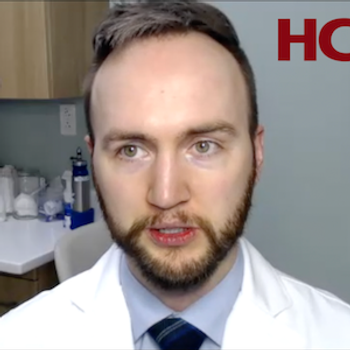
A segment of an interview with Peter Young in which he describes his original interest in the subject of skincare product allergens.

Study data show the five-year incidence of fibrosis, atrophy, and MH were 34%, 26%, and 8%, respectively.
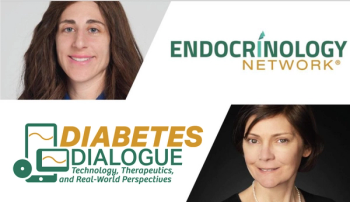
To commemorate the inaugural year and the success of Diabetes Dialogue in 2022, our editorial team has compiled a list of the 5 most popular episodes from the past year. Further in this article, we offer readers a look into each of our hosts top picks for episodes during 2022.

Cross-sectional data showed that rEZR reduced with increasing age, while longitudinal data indicate rEZR declined at a rate of ‒2.1 AU per year.

A look at the defining moments of the past year and what is expected to come in 2023.
This novel concept can benefit patients and clinicians alike by appropriately applying new technologies to identify bacteria more efficiently and decrease the time to optimal therapy.
RBX2660 is the first ever live microbiota therapeutic approved by the FDA.

Pregnant individuals with opioid use disorder are commonly treated with methadone.
A maternal-fetal medicine physician discusses plans for improvements in 2023.

The results show patients with preclinical IBD had an increased in primary care visits up to 3-5 years prior to a diagnosis.
The past year has provided great steps forward in sleep science, and coupled with the lingering difficulties in care and the COVID-19 pandemic’s effects, the field is coming to a head to make sleep health a public health priority.

Neither finasteride nor dutasteride were linked to an increased risk of suicide.
The FDA's plans to expedite and expand regulatory pathways has resulted in a novel drug development boom since 2017. The commissioner discusses the details of their strategy.

In the December 2022 episode of Diabetes Dialogue, Diana Isaacs, PharmD, and Natalie Bellini, DNP, sit down to discuss recent developments in the field, with a spotlight on the Dexcom G7 CGM, key takeaways from the ADA’s Standards of Care in Diabetes—2023, and perspective from the ADCES Diabetes Technology Conference 2022.

A new study explored the topic of predictive biomarkers of clinical improvement of EASI scores for atopic dermatitis patients being given dupilumab.

Dr. Adam Lamble recommends that pediatric patients with AML and TP53 status should now be considered for transplant in first remission, and novel interventions are warranted.

In part A of the trial, 60% of patients treated with dupilumab weekly met the primary endpoint of histologic remission, compared to 5% of the placebo group.

There was a decrease in relapse observed for low-risk participants, but not high-risk individuals.