

An in vitro assessment showed the promising molecule class should be advanced toward prospective clinical trials.
An in vitro assessment showed the promising molecule class should be advanced toward prospective clinical trials.

The observed heterogeneity between BP-CMML cases suggested distinct clinicopathological phenotypes and the investigators integrated clinical metadata with blast immunophenotype with 59 independent features.

A total of 55 metabolites were significantly different between samples from patients with SCD at baseline and healthy control samples.
According to data presented at the ASH 2022 Annual Meeting, this is the first suggestion of a hydroxyurea-related impact on mito activity in patients with sickle cell disease.

Research indicates the long-term benefits of sustained use of two developed online interventions for younger patients diagnosed with eczema.

Recent research has identified two groups as high risk for developing asthma, with one noted as having early eczema and the other not having the skin condition.
In 2021, the USPSTF changed guidance on colorectal cancer screenings, reducing the recommended age of a colonoscopy from 50 to 45 years.

Eyes with bacillary detachment had higher fluid volumes, increased CST, EZ attenuation, and increased sub-RPE volume at baseline.
As the treatment paradigm for neurologic diseases rapidly progresses, the need for more thorough biomarker tools to measure disease progression and severity has increased. In recent years, GFAP has emerged as a valuable candidate to add to the existing panel.

Pauk Feuerstadt, MD, discusses some future applications of RBX2660.
After decades of unmet needs in the progressive form of vision loss, the complement inhibitor drug class is nearing the market for affected patients.

Close to half of patients with wet AMD treated with aflibercept could safely stop eye injection therapy after one year without further vision loss, according to the pilot study.

New research suggests lower central foveal thickness fluctuation scores with patients on ranibizumab were associated with the greatest gains in vision.

A look back at 2022, including new drug approvals, the significance of treatment for geographic atrophy, and what the future holds within the retina space. Veeral Sheth, MD joins to discuss in a Q&A.

Dr. Glasser shares perspective on the adoption of telehealth in ophthalmology and the importance of increased funding to provide sufficient reimbursement for all physician services.

Individuals living in lower-income situations were also more likely to have vision impairment, use eye care services less, and have lower adherence to eye examinations.

Macular holes in stage 2 progress faster than those in stages 3 and 4, making it beneficial to perform vitrectomy without delay in this population.

New research highlights the growing number of claims among all providers, including advanced practice practitioners and non-dermatologists, of Cal/BD foam usage for Medicare beneficiaries.
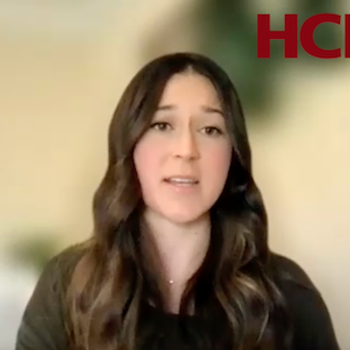
A discussion with Emily Strouphauer on her team's findings regarding mental health in pediatric psoriasis, as well as her views on helping younger patients facing these issues.

There was also higher neutralizing antibody titers against BA.4/5 with a lower hazard risk in the group with a breakthrough infection.

Adults with vision impairment had a lower prevalence of having health insurance coverage and a usual health care provider, and a higher prevalence of having an unmet health care due to cost.

Prometheus Biosciences is expected to begin phase 3 trials for the treatment in 2023.
A pediatric emergency medicine physician discusses the epidemic factors that still perturb experts, and the status of vaccination and treatment strategies.

By combining specific severity-associated serum biomarkers, investigators were able to predict atopic dermatitis severity in children.

In her HCPLive interview, Emily Strouphauer, BSA, spoke about her team’s recent findings on the association between pediatric psoriasis and anxiety and depression.
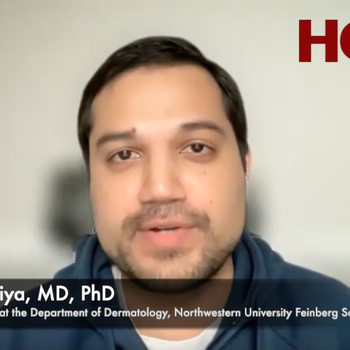
In an interview with HCPLive, Dr. Chovatiya spoke about recent FDA approvals for psoriasis treatments, including deucravacitinib, spesolimab, roflumilast, and tapinarof.

During his HCPLive interview, Dr. Eichenfield described the results from the phase 3 TRuE-AD trials testing ruxolitinib for atopic dermatitis, including how the findings might affect treatment for vitiligo or psoriasis.

In a segment from his HCPLive interview, Dr. Lal described the difference between the skin microbiome and the gut microbiome, and their effects on psoriasis.
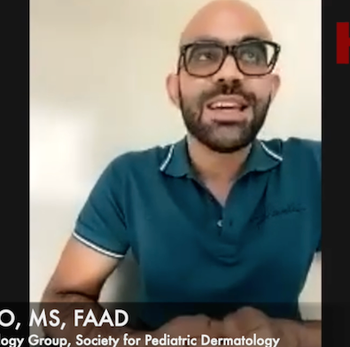
In an interview segment on HCPLive, Dr. Lal described several treatments approved in 2022 for psoriasis patients such as spesolimab, roflumilast, and tapinarof.

At week 16, the static Physician’s Global Assessment scores were significantly greater in the mirikizumab group than in the placebo group.