

Pediatric care requires understanding, not only of the disease impact, but also its presentation and management in children.
Pediatric care requires understanding, not only of the disease impact, but also its presentation and management in children.

A post-hoc analysis of the HARBOR trial suggest a greater proportion of ranibizumab-treated eyes with nAMD gained/maintained visual acuity at SRF resolution.

Though avoidance of common food allergens is a popular practice among patients with atopic dermatitis, clinical trial evidence doesn't support its benefit compared to its risks.

The results show female patients were more likely to be diagnosed with any adverse event.

In a recent study, DAMPs were found to play a major role in deteriorating vitiligo conditions by initiating host defenses against signals of danger.

Findings revealed that self-health issues, family-health issues, and financial stress were the leading co-occurrences in older adults during the beginning of the pandemic.

Sustained virologic response was reached by 98% of the study at 12 weeks following the conclusion of treatment and remained consistent among genotype, HCV RNA values, fibrosis stage, and the subgroup of interest.

In a recent study, patients with psoriasis and coexistent lupus erythematosus were analyzed regarding their clinical characteristics, condition management, and quality of life.
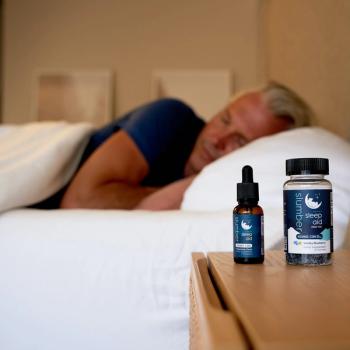
Data show older men and women are getting less and less sleep. However, women are much more likely to report such issues than men, despite faring slightly better in polysomnography tests.

They also found no statistically significant associations found for specific cardiovascular outcomes in relation to cardiac arrest or arrhythmias, cerebrovascular diseases, or myocardial infarction.

A clinical trial from Norway showed inconclusive results, and challenges in the study design.

Study data indicate the AI-based follow-up system could make an autonomous decision in 73% of the cases, of which 91.8% were in agreement with retina experts consensus.

Data show an enhanced, auditory alert driving simulator may reduce distraction and inconsistent driving among teenagers with ADHD.

They also found a high-risk perception of HBV was associated with the willingness to be vaccinated against hepatitis B in participants from either province.
A population-based cohort study found patients with shingles to have a greater likelihood of developing psoriasis than the control group.

The male gender was positively associated with a higher risk of serious infection at month 12 and penetrating disease behavior was positively associated with 12-month treatment persistence.

An interview with Dr. Lal on common struggles for psoriasis patients, including associated risks and mental health struggles.

Visual complaints during atropine therapy may be reduced by using progressive addition lenses.

No difference was seen in the odds of tractional retinal detachment between those with a loss to follow-up period of 6 months or longer and those without loss to follow-up.

A recent analysis was conducted through a review of 10 studies, examining the connection between psoriasis and depression and anxiety in pediatric patients.

A study from China shows women receiving laparoscopic surgery had better sleep quality in the days after when receiving the treatment as an intraoperative prophylactic.

New findings suggest that the use of PCSK9 inhibitors may lead to improved outcomes for patients diagnosed with psoriasis.
As we begin our annual health care recap series this month, let's take a look back at the stories our readers liked most.

RBX2660 is the first live microbiota therapeutic approved by the FDA.

A recent quality improvement study demonstrated the potential to enhance ophthalmic telehealth using asynchronous testing, which was effective in subspecialty-level care.

The strongest confounders were family income, caregiver education, and ADHD polygenic risk scores for ADHD clinical range diagnoses.

This brain imaging study was the first to look at the position of depression and systemic inflammation in brain measures while including the largest sample of patients with psoriasis to date.
The study data indicate high early-stage CRT variability showed a significantly higher risk of legal blindness.

The product is administered as a single dose and is manufactured using the stool of qualified donors.

Inflammatory diseases like psoriasis, as well as lupus erythematosus and rheumatoid arthritis, can lead to systemic chronic inflammation followed by other complications.