

Pediatric neurologist and sleep expert Dr. Amy Licis shares available methods to consider when treating a pediatric patient with sleep issues or sleep disorders accompanied by autism or ADHD.
Pediatric neurologist and sleep expert Dr. Amy Licis shares available methods to consider when treating a pediatric patient with sleep issues or sleep disorders accompanied by autism or ADHD.

The novel topical skincare treatment Total Eye was effective in treating periorbital wrinkles, dryness, laxity, and dark circles in patients 35-65 years old.

Machine learning algorithms successfully predicted visual and anatomic outcomes and dosing frequency in patients with macular edema secondary to CRVO.

Data show 77% of eyes with DME in the IRIS Registry received only one type of anti-VEGF agent over an average follow-up of 2.3 years.

The NDA was granted Priority Review designation with a PDUFA target action date of November 26, 2022.

With this decision, ruxolitinib cream has become the first treatment approved by the FDA for the repigmentation of skin in vitiligo.

In the study, 77% of patients treated with the Cal/BD foam treatment were satisfied with its effectiveness, 60% were satisfied with its ease of use, and 73.9% were satisfied in terms of global satisfaction.

Dr. Cohen speaks on combining sun protective measures, such as sunscreen, protective clothing, and antioxidant supplements.

Dr. Lal speaks to how different cultures and different geographical locations can influence UV protection methods, and how sunless tanners can be used to avoid overexposure to UV light outdoors or in tanning beds.

Dr. Craiglow speaks on the public perception of UV safety, how people can best avoid sunburn, and her own personal experience with melanoma and non-melanoma skin cancers.

The authors unanimously agreed that doctors should explain the potential benefits and negatives of the treatment and all centers should have a phototherapy protocol in place to address episodes of symptomatic erythema and other adverse events.

Dr. Harold Edington gives an overview of Australia's public health campaign regarding UV safety, as well as the lessons Americans can take away from these measures.

Investigators uncovered that the primary driving motivator for indoor tanning had to do with aesthetic concerns, followed by the perception of psychological and physical benefits.

The port delivery system provides good visual outcomes for patients with nAMD despite presence of fluid in post-hoc analysis of Archway trial.

A post-hoc analysis of the GATHER1 trial suggests avacincaptad pegol reduced GA lesion growth across all distances from the foveal center point, when compared to sham.

Longer time to intravitreal aflibercept injection (>3 months) showed less visual improvement versus shorter time (<1 month).

Data suggest continued prescribing, not initial prescribing, is linked to opioid addiction risk among exposed family members.

Data show metformin was associated with reduced odds of developing AMD, with low to moderate doses having the greatest potential benefit.

Dr. Singh discusses the promise of durability with the agent and the potential for reducing the amount of patient visits, while preserving visual outcomes.

Analysis of patient-reported outcomes last flu season show an approximate 10% increased risk of mild vaccination reactions when receiving both a COVID-19 booster and flu shot instead of a lone booster dose.
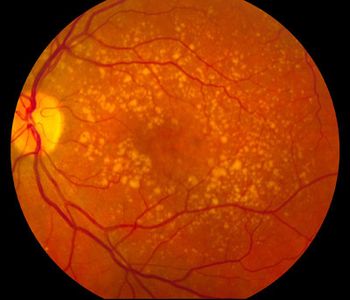
More than 60% of faricimab patients could be treated every 4 months at 2-year mark of TENAYA and LUCERNE studies.

Overall 70% of the patients in both PDS with ranibizumab and ranibizumab alone had almost no retinal thickness fluctuations.

The recommendations are for how stakeholders and policy makers should support improvements in managing atopic dermatitis to achieve better disease control and ultimately reducing the costs and burden on individuals, society, and the economy.

Overall, 61.8% of patients on their first biologic agent reported clinical remission.

The majority of cases do not require the modification of therapy because it does not negatively affect the course of COVID-19.

The phase 3 data presented at the ISTH 2022 Annual Congress show an 86% reduction of treated bleeds in patients with hemophilia A or B with inhibitors.
Bronchiectasis varies in presentation and appears to affect individuals from broad areas of the country. According to Dr. Patrick Flume, the task is to figure out what the best method of management is.
Real-world patients showed improvement in visual acuity and anatomic parameters, but are still at an early time point in TRUCKEE study.

Evidence of pegcetacoplan treatment effect observed in the distribution of patients across quartiles in both OAKS and DERBY.

Monthly or every other month intravitreal pegcetacoplan reported to be tolerated in DERBY and OAKS trials.