
There remains a need for more research into the connection between grief and depression following a death.
There remains a need for more research into the connection between grief and depression following a death.

Borderline personality disorder remains one of the most difficult to understand conditions in psychiatry.

Esketamine is seen as a major breakthrough in finding more treatments for depression.
Dr. Shear talked about the similarities and differences between depression and grief and the importance of recognizing both.

A high calorie, high fat diet is needed for patients with cystic fibrosis (CF) to maintain a normal weight resulting in an emphasized focus on their nutrition and weight management.

Previous smaller studies have suggested a link between sleep disorders and dementia.

The newest indications for the novel oral antiviral drug will make it available as an acute treatment and prophylaxis for children this flu season.

The findings suggest access to the vaccine was lowest among those who reported blindness, deafness, or multiple disabilities.

Investigators identified a correlation between severity of kidney-urinary tract complications and the affected protein involved with intermediate junctional epidermolysis bullosa (JEB).

Contamination was 11.5% on floors, 7.9% on infusion chairs, and 3.8% on equipment.

Prefrontal anodal transcranial direct current stimulation is more effective in treating ADHD compared to stimulation of the right inferior frontal gyrus.

MBTI was effective in reducing sleep onset latency discrepancy but not wake after sleep onset discrepancy.

Topical OCS-01 was significantly more effective than vehicle in improving central macular thickness in patients with DME, according to new phase 2 data.

Functional and anatomical improvements with aflibercept treatment were obtained at week 24 and persisted until week 52.

Intravitreal 0.2 or 0.1 mg ranibizumab induced a faster regression of plus disease, stage 3 ROP, and AP-ROP compared to laser.

Daily self-imaging scans and in-office OCT scans graded by human experts agreed on the fluid status in 96% of the cases.

The agency has taken new action against Juul while experts worry about youth addiction and health impacts. But the e-cigarette market has been already well established in the US.

Data show foveal thickness fluctuation was significantly associated with logMAR BCVA and the defect length of the foveal EZ band.

Both a higher self-reported water intake and a greater measured 24-h urine volume were tied to an increased DED prevalence.
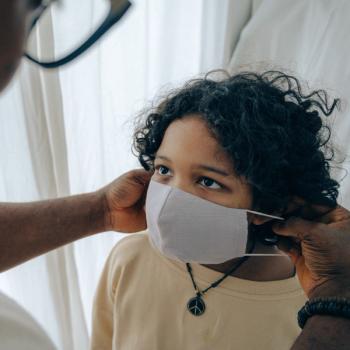
The implementation of 13-valent pneumococcal conjugate vaccine (PCV13) was associated with an important reduction in the incidence of acute chest syndrome in children with sickle cell disease.

The most common complaint among patients was abdominal pain followed by diarrhea.

Despite their tendency to present with more severe psoriasis compared with other races and ethnicities, Asian patients receive significantly less time with a dermatologist.

New phase 3 ENHANCE-2 data support a potential submission by Verona Pharma to the FDA.

The screening of more than 50,000 youth patients in diverse populations of Colorado and Bavaria, Germany reported no association between infection and T1D.

Patients with obstructive sleep apnea who sleep between 22:00 PM and 5:59 AM had higher incidences of acute myocardial infarction and chest pains, a new study observes.

Latest monkeypox updates from CDC and WHO.

The relative contribution of genetic influences to psychotic experiences was lower with increasing environmental exposure for paranoia, cognitive disorganization, grandiosity, and anhedonia.

Early time-restricted eating was more effective for losing weight than eating over a window of ≥12 hours, but did not affect body fat.

Finnish population study attributes reduction in visual impairment from AMD to improved diagnostic tools, earlier diagnoses, and new therapies.

Reena Mehra, MD, MS, reviews telling signs, the role of obesity, and the importance of proper testing for sleep apnea.