

FDA approved combination therapy relugolix, estradiol, and norethindrone acetate (Myfembree) for the management of moderate to severe pain associated with endometriosis.
FDA approved combination therapy relugolix, estradiol, and norethindrone acetate (Myfembree) for the management of moderate to severe pain associated with endometriosis.

Patients with dementias also had higher levels of NA-OXS, as did psychotic and bipolar disorders.

In October, a new ICD-10-CM diagnosis code will be activated for APDS, a rare primary immunodeficiency disease, which will enable physicians and payers to add the diagnosis to patient charts for the first time in the US.
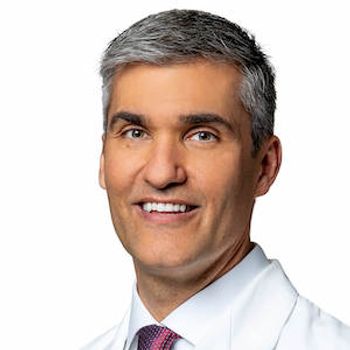
However, 82% of patients with proliferative diabetic retinopathy at year 2 of the RECOVERY trial demonstrated an improvement in DRSS levels from baseline.

In the study, 2.10% of patients with Crohn’s disease and 1.90% of patients with ulcerative colitis were diagnosed with colorectal cancer.

All 6 screening strategies using wrist-worn wearable devices were estimated to be more effective than no screening.

The combined exposure to lower CETP and PCSK9 concentrations was associated with an additive magnitude with lipids and all outcomes.

Mean inattention scores were about 5 points lower in the tDCS group compared to the sham treatment group.

Both treatments showed tolerable safety as in the phase 2 and 3 trials, but when evaluated in four body regions on patients, upadacitinib surpassed dupilumab in all of them.

Although sharing a common feature of male predominance, alopecia did not seem to occur more frequently in AS patients.

Investigators from found that 12.12% of patients with a previous skin disease diagnosis developed an adverse skin reaction following a COVID-19 vaccine injection.

45% of study participants were either dissatisfied or very dissatisfied with their current medical treatment.

The pivotal DERMIS trial author discusses extended assessment and prescribing strategies for the latest psoriasis agent.

A retrospective analysis suggests there are significant disparities in dermatologist visit duration based on patient race and ethnicity.

Dermatologist Raj Chovatiya, MD, PhD, discusses practical use of the newest topical therapy approved by the FDA.

Dr. Levine talks with Dr. Lisa Harding about how clinicians can best improve patient care in psychiatry.

A larger circadian photoreceptor responsivity was significantly linked to a later dim-light melatonin onset in light drinkers.

Mean age of hypertension diagnosis was 4 - 5 years earlier among Black and Hispanic adults vs White adults between 2011 and 2020.
President and CSO of Odylia Therapeutics discusses the gene therapy pipeline, research and differences in operating as a nonprofit biotech company.

The biosimilar product was deemed interchangeable with ranibizumab injection across all five retinal indications.

Already approved by the FDA for the treatment of the polyneuropathy of hATTR amyloidosis, the August 3rd announcement of APOLLO-B results from Alnylam Pharmaceuticals suggests patisiran (ONPATTRO) could be a safe and efficacious treatment option for patients with ATTR amyloidosis with cardiomyopathy.
The Cleveland Clinic Director of Sleep Disorders Research navigates the complexities of OSA presentation, progression, management and eradication with the Lungcast team.

Study data show 14% of eyes managed with intravitreal therapy in routine clinical care experienced ≥ 10 letter loss.

Investigators believe these results could help improve disease recognition and diagnosis while supporting development of personalized prevention and therapy.

Dr. David Hudesman expects drug developers to continue to target biologics for the treatment of IBD.

Repeated metabolite monitoring with subsequent dose optimization resulted in 67.2% of patients achieving therapeutic levels after 1 year and 87.8% of patients achieving steroid-free remission, while 90% had no therapy escalation or surgery.

Prior to the launch of FSR's webinar on pulmonary sarcoidosis, Mary McGowan, CEO, discusses the private listening session held with the FDA that addressed the critical needs in the field.

Dapagliflozin consistently reduced the risk of CV death or HHF, HHF alone, and progression of kidney disease regardless of background use of CV medications, investigators say.

Patients treated with LAIAs had a lower risk of hospitalization for any cause, hospitalizations for psychiatric disorders, hospitalizations for schizophrenia, and incident suicide attempts compared to patients treated with oral antipsychotics.

Cross-sectional data suggest a discontinuity in endothelial cell–density measurements just below 2500 cells.