

Children in the RLRL group had less myopia progression and axial elongation compared with those in the sham device control group.
Children in the RLRL group had less myopia progression and axial elongation compared with those in the sham device control group.

The presence of SRF or PED was not significantly associated with worse visual acuity at any time point during the observation period.

The novel OX40 inhibitor molecule showed significant benefit for patients in new EADV 2022 data. A lead author discusses its potential.

The highest global cirrhosis prevalence was found in the East and Southeast Asia, mainly caused by high levels of hepatitis prevalence in those areas.

The daily TYK2 inhibitor agent was associated with improved rates of psoriasis surface improvement versus apremilast in clinical trials.

The FDA accepted the Biologics License Application (BLA) and granted priority review for velmanase alfa, an investigational enzyme replacement therapy intended to treat the ultra rare disease.
The Icahn investigator discusses her team's new EADV 2022 data on the JAK inhibitor.

Black/African American individuals are more likely to have an amputation within the first year following DFU, while women appeared to have a greater likelihood of delayed amputation.

Eyes with preoperative inner microcystoid changes had significantly worse postoperative and final visual acuity.

While cesarean delivery was more likely among women with IBD, this was not associated with an increased risk of peripartum infection.

DaxibotulinumtoxinA-lanm (Daxxify) is the first and only neuromodulator stabilized with Peptide Exchange Technology (PXT) and addresses the treatment duration effect.

Respiratory symptoms are significant among individuals with a history of smoking tobacco even without airflow obstruction.

There were 248 patients included in the study with genetic data, with no differences found in mean titer after 2 or 3 doses between carriers and non-carriers of HLA-A24 associated with severe disease during COVID-19 infections.

Suicidal ideation showed a significant effect in favor of family therapy compared to comparison therapy.

Novel insights into the risk-benefit profile of nintedanib in children and adolescents with fibrosing interstitial lung disease (ILD) were provided by late-breaking data presented at ERS 2022 regarding the InPedILD clinical trial.

Late-breaking data presented at ERS Congress 2022 show that inhaler sensors and mobile health (mHealth) applications combined with pharmacist counseling improved treatment adherence for patients with uncontrolled asthma.

These reductions were only observed in short-term follow-up and were driven by early reductions within 12 months of telemedicine intervention.
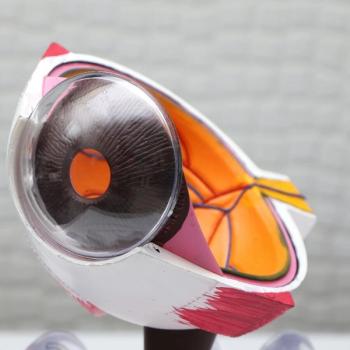
Study findings suggest that some cases of secondary glaucoma occur up to 16 years after the original cataract surgery.

A research letter by Emory University investigators found racial disparities in temperature measurements for Black and White hospital patients.

According to recent research, there’s no association between insomnia and vitamin D deficiency, although, insomnia did correlate with abnormal anxiety and depression scores among university students.

These data support web-based self-management for individuals with COPD with an objective, clinically relevant, short-term increase in physical activity levels compared to usual care.

Young adults with a high cumulative alcohol burden had up to 25% higher risk of incident AF.

The mean LDL-C level among US young adults was 104.9 mg/dL In 2015-2020.

The investigators found that the HCV viremia/HIV-positive group had a higher risk of HCV mother-to-child transmission.

The magnitude of the difference in modified Mayo score from baseline was significantly greater in all ABX464 groups compared to placebo.

CDC investigators stated that the expansion of telehealth strategies is “urgently needed” to provide medications for opioid use disorder because it could increase retention in care and improve outcomes for OUD.

“From this study it makes sense that the (icenticaftor) 300mg dose has a benefit-risk profile to further study the clinical benefits,” Dr. Frits Franssen, lead investigator, said at ERS Congress 2022.

Macular atrophy and hyperreflective material were common after 7 years of follow-up in IVAN trial.

Lower prescriptions for racial, ethnic groups relative to White, non-Hispanic patients remained after accounting for patient- and system-level characteristics.

The results show pediatric patients with ADHD had a significantly higher risk of injuries requiring hospitalization compared to non-ADHD controls.