

A new analysis suggests raise levels of zinc, iron, lead and aluminum—linked to cigarette use—is positively correlated with insomnia.
A new analysis suggests raise levels of zinc, iron, lead and aluminum—linked to cigarette use—is positively correlated with insomnia.

Recent qualitative studies found social isolation in patients with IBD is 1 of the main obstacles to leading a normal life.

A duration-response analysis of 1-mg dosage produced a 5% decrease in suicidal events per month of additional treatment.

A combination therapy approach may be useful for psoriasis treatment, though an 8-week regimen may not be long enough.

The new recommendations call for posterior partial fundoplication over total posterior or anterior 90° fundoplication in adult patients with GERD and anterior >90° fundoplication as an alternative.
Martha Gulati, MD, joins The Heart Team to share her professional experiences and recommendations in treating female-specific cardiovascular disease.

Overall, 30.60% of pediatric patients who presented to the emergency department with mild head trauma were diagnosed with ADHD, compared to 8.96% of the control group.
Martha Gulati, MD, joins episode 2 to discuss the burden of gender disparity in cardiovascular research, screening and care.

A discussion with Dr. Lal on the successful trials and recent approval of dupilumab as a treatment for skin inflammation.

Data indicates a greater number of physicians is a better predictor of melanoma diagnoses than UV radiation rates.

The SpyGlass IOL platform showcased a 45% drop in mean intraocular pressure at 3 months in first-in-human glaucoma trial.
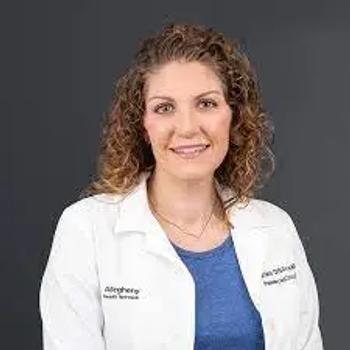
"Especially when untreated and in late stages of progression, ILD is well known to impact health related quality of life," according to Dr. Briana DiSilvio. "Chronic dyspnea, cough, and reduced exercise capacity can become disabling."

Safety data of the bioerodible sustained delivery intravitreal anti-VEGF treatment indicate no ocular or systemic serious adverse events with mild adverse events.

An analysis applying data from the DELIVER trial to the Get With The Guidelines-Heart Failure Registry suggests 81% of hospitalized Medicare beneficiaries with HFpEF could be considered candidates for dapagliflozin use under a potential FDA label expansion.

A discussion into safety data from the Phase 3 DERBY and OAKS trials on pegcetacoplan with Dr. Boyer at AAO 2022.

The risk of cirrhosis increased supramultiplicatively in patients with obesity, with excessive drinking, and who were homozygous carriers.

Vedolizumab was linked to an increased risk of treatment failure compared to TNF antagonists.

ADHD and ODD dimensions were associated differently with different types of impulsivity, with unique patterns of network connectivity.

Breaking phase 3 data were just announced from the results of the daridorexant (Quviviq) clinical trial for adults with insomnia in Japan.

A profound escalation in the frequency of nightmares, independently associated with suicide risk, occurred alongside related sleep and mental health outcomes during the COVID-19 pandemic.

New data from AAO 2022 show how technology may refine a currently inefficient enrollment practice for retina disease assessment.

Two-year results from YOSEMITE and RHINE suggest that the positive results of faricimab for DME in year one carried into second year. Dr. Caroline Baumal joins for an in-depth discussion on the findings.
A real-world comparison of the anti-VEGF agents suggests certain doses are associated with more likelihood of retreatment.

Faricimab treatment for both DME and nAMD was able to reliably get to 16 week dosing in 60% of eyes from YOSEMITE and RHINE and TENAYA and LUCERNE.

A prespecified analysis of the DELIVER trial presented at HFSA 2022 indicates dapagliflozin provides early benefit in patients with heart failure with preserved ejection fraction, with the effect on the trial's primary end point evident in just 13 days.

Findings from the INSIGHT study suggest MYL-1701P may provide a new anti-VEGF biosimilar option to patients with the common form of vision loss.

The 48-week results suggest robust CST reduction and visual gains with faricimab up to every 16 week dosing, comparable with aflibercept ever 8-weeks.

Dr. Yeh discusses how Innovations in AI may improve access for patients in resource limited setting and improve detection of vision-threatening diseases.

The data show 80% of patients were rescue-free up to 6 months with a single OTX-TKI implant injection.

A significant rate of reduction of geographic atrophy growth with pegcetacoplan was observed in both DERBY and OAKS over a 24-month period.