

Extended induction treatment with upadacitinib 45 mg led to achievement of clinical response in a clinically meaningful proportion of patients with ulcerative colitis who do not respond to 8 weeks of induction therapy.
Extended induction treatment with upadacitinib 45 mg led to achievement of clinical response in a clinically meaningful proportion of patients with ulcerative colitis who do not respond to 8 weeks of induction therapy.

RBX2660 reduced clostridioides difficile infection recurrence at 8 weeks, with a sustained clinical response through 6 months, in an open-label phase 3 cohort of patients representative of real-world clinical practice.

The agency has set an April 26, 2023 action date for the live microbiotic therapeutic for the prevention of recurrent CDI.

Recent phase 3 trial data suggests the efficacy across multiple endpoints of roflumilast foam as a treatment for seborrheic dermatitis.

Dupilumab represents the first ever approved treatment for EoE.
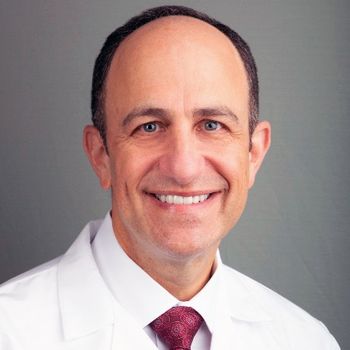
Treatment with guselkumab resulted in greater improvements across key clinical and endoscopic/histologic outcome measures at week 12 compared with placebo in patients with moderately to severely active ulcerative colitis with or without a history of inadequate response or intolerance to advanced therapy.

The median DeMeester score decreased from 32-3.7 following LTF.

Patients with ulcerative colitis treated with combination induction therapy with guselkumab plus golimumab followed by guselkumab monotherapy achieved higher rates of the several end points at week 38 as compared to either guselkumab or golimumab alone.

Twelve additional weeks of subcutaneous risankizumab induction was efficacious and well-tolerated in patients with Crohn's disease following an initial risankizumab 12-week induction dose.

Risankizumab induction relieved Crohn's disease symptoms and maintenance doses were effective in resolving abdominal pain, with other mixed findings for other patient-reported outcomes in the maintenance phase.

Investigators are urging for more research on the mechanisms involved with comorbid insomnia and obstructive sleep apnea (OSA) to reduce the mortality risk in patients with both sleep disorders.

If approved by the FDA, RBX2660 would be the first approved live microbiota therapeutic for the treatment of recurrent CDI.

New research suggests the sleep quality of caregivers and patients with atopic dermatitis (inadequately-controlled with topical therapies) may improve with dupilumab treatment.

Cataract surgery–related risk of CME among patients with RP may be 4 times greater than those without RP.

The findings hypothesize that MNV may protect against the progression of atrophy.

The COVID-19 pandemic has hurt the effort of colorectal cancer screenings.

Treatment with terlipressin led to better long-term clinical outcomes for patients with hepatorenal syndrome who received a liver transplant.

Recent clinical trial data from UNCOVER-1 and UNCOVER-2 demonstrated the positive effects of ixekizumab use in adult plaque psoriasis patients.

The study data show prechoroidal cleft was found in 15% of Caucasian nAMD patients treated with anti-VEGF injections and was related to greater retinal and PED height.

On-demand vonoprazan at all investigated doses was significantly better than placebo in providing rapid and sustained relief from heartburn episodes in patients with nonerosive reflux disease.
Weekly dupilumab 300 mg versus placebo demonstrated statistically significant, clinically meaningful improvements in histologic and endoscopic outcomes and symptoms in adults and adolescents with eosinophilic esophagitis.

During a recent interview regarding ReOpen1 and ReOpen2 trials, Dr. Mahmoud described a new treatment device for chronic rhinosinusitis patients.

The approval of risankizumab represents the first IL-23 approved for IBD.

With dupilumab already available and JAK inhibitors on the way, clinicians have a bevy of treatments designated for pediatric patients.
Iptacopan has the potential to address an unmet need in PNH by significantly increasing hemoglobin levels in patients who remain anemic, fatigued and dependent on blood transfusions after anti-C5 treatment.

Falloon presented new data at ACG 2022 on identifying biomarkers for pouch inflammation.

Patients with NAFLD were more likely to have comorbidities, including diabetes, hypertension, chronic respiratory disease, hypothyroidism, chronic kidney disease, sleep apnea, and hyperlipidemia.
A 30 mg dose of upadacitinib led to a 1 month longer clinical remission and approximately 20% of patients had less severe disease at 52 weeks, when compared with a 15 mg dose for patients with active ulcerative colitis.

In this episode of Diabetes Dialogue, hosts Diana Isaacs, PharmD, and Natalie Bellini, DNP, discuss the ongoing GLP-1 RA shortage and whether or not celebrities using these agents for weight loss is a real issue in the community as well as provide insight into their top takeaways from the ADA/KDIGO consensus report.

The rate of serious infections was 5.9 events per 100 person-years in the placebo group, compared to 5.0 events in the upadacitinib 15 mg cohort and 3.2 upadacitinib 30 mg group.