

An interview featuring Dr. Rosmarin regarding the recent phase 3 TRuE-V trials on ruxolitinib and nonsegmental vitiligo treatment.
An interview featuring Dr. Rosmarin regarding the recent phase 3 TRuE-V trials on ruxolitinib and nonsegmental vitiligo treatment.
A discussion regarding the main data points from the Phase 3 TRuE-V clinical trial program assessing the use of ruxolitinib cream for nonsegmental vitiligo.

A 1-unit increase in mean weekly SPD scores was linked to a 1.4-times increase in clinic visits for itch among adults aged 65 years or old.

New phase 3 data shared at Fall Clinical Dermatology show the IL-13 inhibitor maintained skin clearance observed at 16 weeks.

After the announced recall of dry shampoo products by Unilever this month, dermatologists anticipate an uptick in patient concerns.

The need for repeat laser peripheral iridotomy was comparable in the study, at 10.0% in the nepafenac group compared to 15.4% in the bromfenac group.

Aside from the inability to fulfill the site inspection, there was no other reason for the FDA deferral. The approval of the combination drug candidate's 2 components are still expected.

New research demonstrated a correlation between specific VDR polymorphisms and patients’ liability of having vitiligo.

Up to 2% of patients with IBD also have EoE.

High IOP variability was independently associated with retinal nerve fiber layer thinning rate in patients with glaucoma.

The Pompe disease community is anticipating the pivotal FDA decision for AT-GAA, a combination therapy for late-onset Pompe disease (LOPD) that has the potential to expand the armamentarium of physicians.

A discussion with the moderator of the Global Parents for Eczema Research symposium regarding climate change and the effects of fire, drought, airborne pollution on atopic dermatitis.

Guselkumab bested placebo in clinical results of patients with ulcerative colitis.
A discussion with Dr. Boos on the topic of climate change and airborne pollution exposure leading to or exacerbating atopic dermatitis.

Dr. Neera Dahl explains that patients with autosomal dominant polycystic kidney disease (ADPKD) are often referred to a nephrologist when imaging is done for another concern.

A discussion with Dr. Lal on the topics of benefits of ruxolitinib treatment for nonsegmental vitiligo, as well as on the recent recall of hair products due to benzene risk.

Genentech indicates faricimab-svoa achieved its primary endpoint of non-inferiority to aflibercept in RVO treatment in the phase 3 BALATON and COMINO trials.

The meta-analysis estimated a dry eye prevalence of 8.1% and MGD prevalence of 21.2%.

Depressive disorders are often accompanied by low levels of resilience and research indicates that targeting insomnia symptoms could address the severity of these psychiatric disorders.

"The best test is the 1 that gets done," Williams said.

In patients with post COVID-19 related fatigue, the mean insomnia severity was 11.46 and prevalence of clinical insomnia was 64%.

The common inherited condition autosomal dominant polycystic kidney disease (ADPKD) remains elusive when presented in primary care due to its nonspecific symptoms.

Lawrence Eichenfield, MD, discusses recent achievements in identifying and possibly preventing atopic dermatitis development in infants.

In a late-breaking abstract, the investigators compared antibody levels at month 6 compared to month 1.
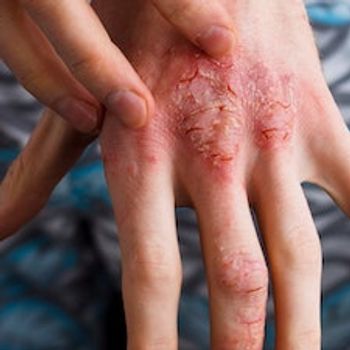
A recent research letter highlighted a case observed in Japan in which a patient with alopecia totalis, and an associated case of atopic dermatitis, was treated effectively with baricitinib, a JAK inhibitor.

Welcome back to Crisis Point. A special episode focuses on the issue of insulin accessibility and affordability in the United States, with four experts in the diabetes arena weighing in on the topic.

Yale dermatologist Christopher Bunick, MD, PhD, discusses the recurring issue with increased levels of the carcinogen found in self-care and cosmetic products.

A greater proportion of the upadacitinib 15 mg and upadacitinib 30 mg group achieved clinical remission based on the Crohn’s Disease Activity Index

Antibiotics followed by oral SER-109 demonstrated a low rate of recurrent clostridioides difficile infection through week 8, regardless of the number of prior episodes.

Extended induction treatment with upadacitinib 45 mg led to achievement of clinical response in a clinically meaningful proportion of patients with ulcerative colitis who do not respond to 8 weeks of induction therapy.