

A discussion with Dr. Angarone regarding his presentation at Pri-Med Midwest, exploring the topic of treating infectious disease in developing countries.
A discussion with Dr. Angarone regarding his presentation at Pri-Med Midwest, exploring the topic of treating infectious disease in developing countries.
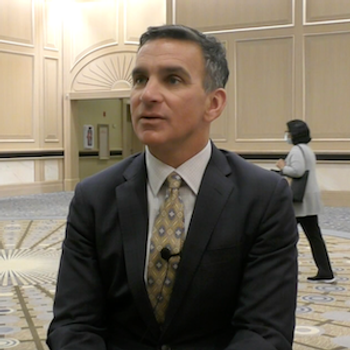
A discussion regarding highlights from Dr. Charles Vega’s presentation on common urgent care presentations and concerns regarding acute pain.
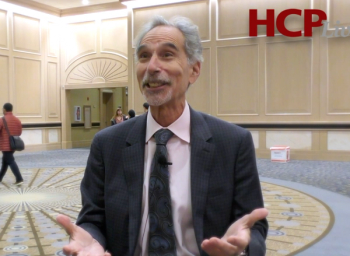
"Less than 2 or 3% of individuals with obesity—who are candidates for pharmacotherapy—actually receive a medication," Dr. Robert Kushner explains in an interview.

A cross-sectional analysis from the France COVID-19 lockdown period resulted in a predictive model for insomnia risk.

Dr. Angarone highlighted several key takeaways from his presentation at Pri-Med Midwest.

Overall, secukinumab was more effective in biologic-naïve patients and in patients with a lower body mass index (BMI).
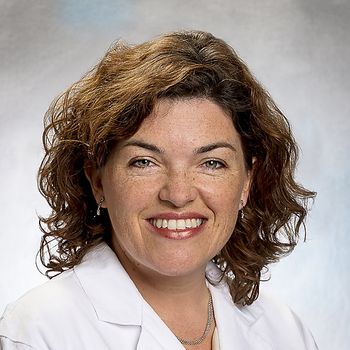
The glycemic gap was a stronger predictor of in-hospital mortality among adults with diabetes or hyperglycemia hospitalized for COVID-19.

The Qazi Corner will be a quarterly newsletter led by Taha Qazi, MD, of the Cleveland Clinic and featuring new data, conference highlights, and perspectives of leading gastroenterologists.
In this special edition episode of Diabetes Dialogue, our hosts break down their top clinical takeaways from the European Association for the Study of Diabetes 2022 annual meeting, new data from the FLASH-UK trial, the global launch of Dexcom G7, and the announcement of US availability for the FreeStyle Libre 3.

Paxlovid is effective in patients with existing heart disease, but has significant DDIs with commonly used cardiovascular medications.

A discussion regarding highlights from Dr. Michael Angarone’s presentation on emerging infectious diseases.

Mobile health technology to detect AF led to a high rate of false positives in patients with certain cardiac conditions.

The estimated annual percentage change was signficiantly associated with a baseline age-standardized incidence rate of less than 5500 per 100,000 individuals.

The slight benefit could be attributed to a lower than expected adherence to screening requests.

Research suggests disparities between racial and ethnic groups exist among patients with Alzheimer’s disease and related dementias.
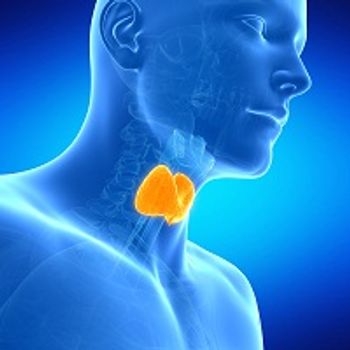
Daily administration of AZP-3601 enabled 93% of patients to discontinue standard of care therapy and maintain target mean serum calcium.

A recent study confirmed the safety of tralokinumab with regard to COVID-19 and related vaccinations.

Analyses like the Sickle Cell Data Collection (SCDC) have played prominent roles in establishing new SCD clinics, educating health care providers, guiding new research initiatives, and developing state health care policies.

An increase of 1 microgram/m3 in PM2.5 or 1% in toxic releases equates to an increase in the IBS incidence rate of about 0.02 cases per 100 person-years.

Researchers evaluated the use of IVIG for patients with the rare autoimmune disorder dermatomyositis.

A comprehensive literature review supports the association between sleep disorders and chronic migraine, leading to poor quality of life, loss of workforce and economic burden.

There is no evidence in the value of screening for depression in individuals aged 11 years and younger.

A Mediterranean-type diet was associated with slower GA enlargement in a recent post-hoc analysis.

Multivariable models suggest the leading markers of incident DR and progression to PDR were duration of diabetes and use of insulin.

A recent cohort study of 20 emergency departments assessed allergic contact dermatitis cases.

Catherine Nester, RN, and Dr. Stephen Kingsmore, discuss the pivotal role of newborn screening in diagnosing rare diseases along with the impact that BeginNGS can have on the future of rare disease medicine.

In total, 64.9% of patients who achieved clinical response with ustekinumab during induction were in symptomatic remission after 44 weeks.
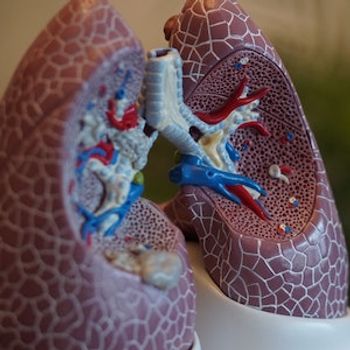
Sotatercept added to background therapy demonstrated significant improvement in exercise capacity compared to placebo.

New data indicate a statistically not significant increase in the rate of treatment for PH, but investigators stress its potential clinical importance.

A retrospective analysis of controlled drug dispensation shows conflicting rates of prescriptions to teenagers and young adults.