

A new population-based study demonstrates an association between patients having systemic sclerosis and vitiligo, suggesting both conditions may need to be monitored for comorbidities.
A new population-based study demonstrates an association between patients having systemic sclerosis and vitiligo, suggesting both conditions may need to be monitored for comorbidities.

At AHA 2022, Dr. Ray discusses the findings from the phase II open-label extension trial and highlights other important trial data for lipidologists.

A pair of studies leveraging NIS data detail the risk of cardiovascular complications during delivery admissions among pregnant persons with a history of systemic lupus erythematosus or use of assisted reproductive technologies relative to their counterparts who did not.

New research indicated that topical 5 FU for patients with vitiligo may be an option that is both a promising and cost-effective treatment for the skin condition.

The approval of risankizumab represents the first ever IL-23 approved by the FDA for IBD.

Nonprofit organizations combined efforts to plan a meeting to inform and educate the FDA and key stakeholders about the experience of caregivers and patients with Phelan-McDermid syndrome (PMS).

A recent discussion with Dr. Brown on the use of tapinarof, approved for adult plaque psoriasis, in patients with atopic dermatitis.

A deep dive into exciting late-breaking trial data at AHA 2022, differences in chest pain guidelines, and bringing patient voice into clinical research.
Ridker joins to discuss some of his recent work, provide a deep dive into use of inflammatory biomarkers for identifying patients with residual inflammatory risk, provide perspective on use of MACE compared with all-cause mortality in cardiovascular clinical trials, and discuss the optimized uptake of SGLT2 inhibitors in care.

The most frequent psychiatric disorder that appeared in patients with ADHD was substance use disorder, followed by mood disorders, anxiety disorders, and personality disorders.

A Q&A with Dr. Bonaca highlights new data on rivaroxaban for PAD and the late-breaking science at AHA 2022.
On Chen, MD, director of the Cardiac Intensive Care Unit and the Advanced Lipid Management Program at Stony Brook University, takes hosts Jorge Plutzky, MD, and Michael Farkouh, MD, on a deep dive into clinical processes at his institution and his perspective on some of the latest advances in lipid management.
At the International Pediatric Sleep Association (IPSA) Congress 2022, investigators from Sleep Number presented 2 investigations that utilized its smart bed technology to analyze pediatric sleep behaviors.
In this episode of The Heart Team, which was recorded on-site at AHA 2022, Scott Solomon, MD, takes hosts Jorge Plutzky, MD, and Michael Farkouh, MD, on a deep dive into his experience as a trialist, use of newer medications, and what might be next for the heart failure community.

A recent study highlighted some information on hidradenitis suppurativa patients and their ongoing care needs after being treated in emergency departments.

In this episode of Don't Miss a Beat, hosts Muthiah Vaduganathan, MD, MPH, and Stephen Greene, MD, are bringing you insights from the AHA 2022 Scientific Sessions. In the episode, which was recorded on day 2 of the 3-day meeting, our hosts offer listeners perspective on the EMPA-KIDNEY and the TRANSFORM-HF trial, the latter of which Greene served on as an investigator.

A retrospective comparative trial showed that agents including bevacizumab, ranibizumab and aflibercept are linked to similar likelihood of RPE tears.

The trial achieved its primary efficacy endpoint of terminating PSVT with self-administered etripamil, using symptom-based optional repeat dosing.

Dr. Jula Inrig highlights the key data presented at ASN Kidney Week on investigational candidate Sparsentan for IgA nephropathy.
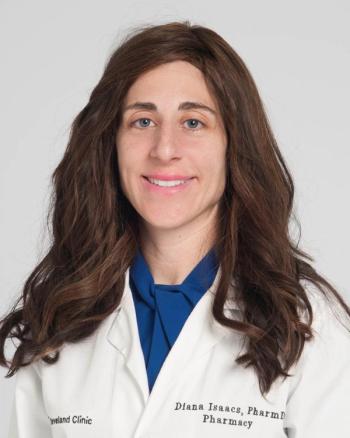
Following a session examining the application of the latest iterations of cardiometabolic health guidelines, Diana Isaacs, PharmD, discusses how the evolving role of diabetes, and recognition of this role, in cardiovascular disease is reflected at the American Heart Association 2022 Scientific Sessions.

Viet Le, PA-C, discusses the results of a study examining characteristics and outcomes among pregnant statin users from EHR data recorded at Intermountain Healthcare medical centers.

Results of the CTS-AMI study presented at AHA 22 suggests tongxiluo, which is an herbal medicine compound used in China, could reduce risk of cardiac events and mortality following a heart attack.

Patients with early VA-ECMO use saw comparable outcomes to those who initially received conservative therapy for hemodynamic stabilization.

A substudy of the PRO-HF study indicates incorporation of KCCQ-12 scores was associated with an improved patient experience and a greater understanding of symptoms.

Education and place of birth contribute the most to the racial and ethnic differences observed in mean CVH score.

The treatment reduced UACR by 37.1% and LDLc by 17.12 compared to placebo.

A single intravenous dose of NTLA-2001 significantly reduced abnormal levels of transthyretin in patients with ATTR amyloid cardiomyopathy, reports new data from AHA 2022.

Low sodium intake is considered less than 2.3 grams per day.

Dr. Demirjian explained suggested changes to how dialysis is conducted in hospital settings.

The late-breaking findings presented at AHA 2022 suggest the incidence of CV events was not lower among patients who received pemafibrate compared with those who received placebo.