
Laurel Messer, PhD, RN, joins the show to provide insight into the latest updates from Tandem Diabetes Care.
Laurel Messer, PhD, RN, joins the show to provide insight into the latest updates from Tandem Diabetes Care.
David Cherney, MD, PhD, discusses REMODEL trial insights into how semaglutide reduces albuminuria and impacts kidney fat and fibrosis pathways.
Martin de Borst, MD, PhD, discusses IV iron use in transplant recipients through an RCT focused on exercise capacity, function, and quality of life.
REMODEL reveals how semaglutide protects kidneys, showing reduced inflammation, improved vascular health, and evidence of structural repair in diabetic CKD.

This interview highlights new 12-month, real-world data on tralokinumab and its long-term efficacy in patients with skin of color who live with atopic dermatitis.

Patients with non-segmental vitiligo (NSV) on upadacitinib versus placebo showed continuous improvement over 48 weeks with no plateau.

As patients increasingly turn to ChatGPT for mental health support, psychiatrists and ethicists weigh the clinical risks, ethical concerns, and what clinicians should do next.
New information from the phase 3 SCOUT-HCM trial indicate the benefits of mavacamten may extend to adolescents as well as adults.

Chovatiya discussed new data showing significant EASI improvements across moderate and severe atopic dermatitis.

Results from the phase 3 trial were published in NEJM and simultaneously presented as a late-breaking abstract at AAD 2026.

Marston discusses his sub analysis of the VESALIUS-CV trial, which indicated reduced MACE risk in patients with diabetes and no atherosclerosis after evolocumab treatment.
Rapid NGS and streamlined workflows are critical to delivering timely, actionable genomic insights in blood cancers, but access, reimbursement, and expertise gaps persist.
In the first study of its kind, researchers found that physicians treating sickle cell disease experience burnout at a rate of 60% — driven not by personal factors, but by systemic ones.
This interview with David Cotter, MD, PhD, highlights recent findings and new data in the psoriasis treatment space highlighted at AAD 2026.

NEPTUNE and CureGN are advancing precision nephrology, linking molecular data to outcomes and enabling targeted therapies and smarter clinical trial design.

CAR-T therapy in lupus may shift earlier in care, but challenges in access, logistics, and patient selection remain as the field moves toward precision treatment.

FSGS recurrence threatens transplant success, yet clinicians still lack reliable predictors, mechanisms, and effective prevention strategies.
New late-breaking phase 3 data suggest zasocitinib may help reshape the oral treatment landscape for moderate-to-severe plaque psoriasis.

Fearon discusses results from the ALL-RISE trial, which demonstrated the FFRangio’s efficacy in assessing lesions for patients with coronary artery disease.
Stay updated with the latest healthcare breakthroughs, including late breaking data from 3 conferences, in this week’s essential news roundup.
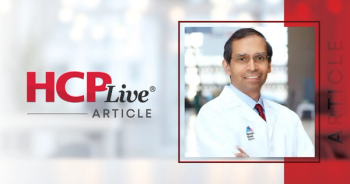
Results of the MOMENTUM trial suggest the prevalence of hypercortisolism in resistant hypertension could be greater than previous estimates have indicated.
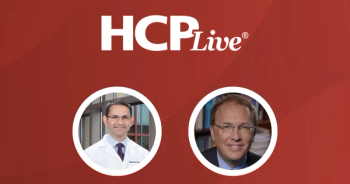
Although not statistically significant, the reduction represents a potential new pathway for treating patients with STEMI.
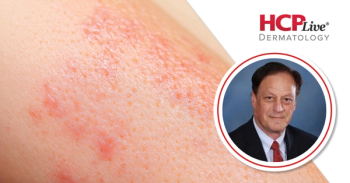
In this segment of his interview, Eichenfield highlights the safety and tolerability of roflumilast cream for children with atopic dermatitis in INTEGUMENT-OLE.

Hypertension drives millions of preventable deaths, yet control lags globally. The HEARTS framework offers practical, scalable solutions to close this gap.

The IMMpactful direct comparison provides prospective data in a moderate psoriasis population that previous MAICs could not fully capture.
Vlado Perkovic, MBBS, PhD, discusses APPLAUSE-IgAN data showing iptacopan reduced eGFR decline and lowered kidney event risk in IgA nephropathy.
Hiddo Heerspink, MD, PhD, highlights ASSIST trial data showing atrasentan reduced proteinuria by 25% on top of SGLT2 inhibitors in IgA nephropathy.
CAR-T therapy shows potential for deep, durable remission in lupus nephritis, but questions remain on safety, durability, and patient selection.
A subgroup analysis of VESALIUS-CV suggests evolocumab could have a role in prevention of primary events in some high-risk patients.