
HCPLive’s editorial team has compiled 5 of the most informative discussions, along with key data from the WCN.
HCPLive’s editorial team has compiled 5 of the most informative discussions, along with key data from the WCN.

Yockey discusses why girls, older teens, and multiracial youth remain at greater risk for depression despite overall post-pandemic improvements.

March 2026 cardiology updates feature key ACC.26 data, new guidelines, and advances in PAH, AF, hypertension, and lipid management.
FDA approvals, at-home neuromodulation, phase 3 psychedelic data, and rising AI therapy use impacted the psychiatry field in the first quarter of 2026.

Singh discusses his analysis of all 3 parts of the NODE-301 phase 3 trial, investigating the recently approved CBB’s potential risk of hypotension.
Q1 2026 GI updates include advances in IBD and IBS therapies, long-term data, and new insights into access challenges for younger patients.


O’Donoghue addresses the inherent limitations in the ACS guidelines, from the constant influx of further research to the ambiguity of certain treatment recommendations.

Sanofi’s dual TSLP/IL‑13 bispecific cuts asthma exacerbations and shrinks nasal polyps, while atopic dermatitis results disappoint.
Q1 2026 hepatology highlights include advances in MASH, hepatitis B, gene editing for AATD, and the first approved therapy for pruritus in PBC.

2-year results from phase 3 APPLAUSE-IgAN demonstrate slower eGFR decline, reduced composite kidney failure, and proteinuria in IgAN patients treated with iptacopan.

The Q1 recap for pulmonology spotlights regulatory and clinical advances across asthma and pulmonary fibrosis.
March 2026 saw new data from pivotal clinical trials and new expert conversations on HCPLive.
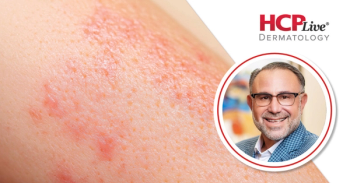
In this Q&A interview at AAD 2026, Gold highlights various tips and strategies for healing scars among patients with skin of color.
Survey data show a nearly 40% drop in adolescent depressive episodes post-pandemic, though clinicians should remain vigilant for disparities and unmet care needs, Yockey says.
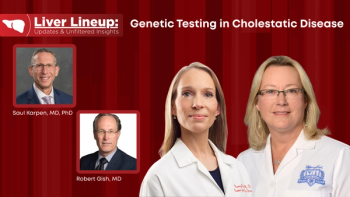
Experts discuss when to use genetic testing in cholestatic disease, how to interpret results, and its growing role in diagnosis and management.
This Q&A interview with Gold at AAD 2026 highlights notable takeaways from his portion of the session titled 'Acne Boot Camp.'
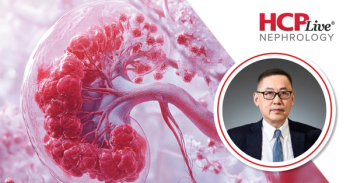
An expert shares his perspective on emerging targets and precision strategies for podocyte injury in glomerular disease.

Navar discusses the phase 3 CORALreef AddOn trial, highlighting enlicitide’s superiority to ezetimibe, bempedoic acid, and a combination of both.
FDA approvals, new HAE guidance, epinephrine access shifts, and phase 3 peanut patch data defined major allergy developments across Q1 2026.

Butt discusses his secondary analysis of the FINEARTS-HF trial, which demonstrated consistent treatment efficacy in patients with and without a history of IHD.
Key hepatology updates from March 2026, including a first-in-class PBC therapy, viral hepatitis insights, and emerging research in MASLD and HCC.

This summary of March 2026 highlights key news and developments in the dermatology news space.

Interview with Xue on UK Biobank data linking first-onset depression after age 50 to cognitive deficits and increased dementia risk.

Jessica Castle, MD, joins the show to give a peek behind the curtain at Dexcom’s latest advancements in CGM technology.
Catch up on new IBD drug trial data, updated HE guidelines from the American College of Gastroenterology, and more.
Rapid psychedelic therapies, accelerated TMS protocols, AI-driven care debates, and semaglutide’s link to reduced suicidality shaped psychiatry headlines in March 2026.

Catch up on data from some of the most impactful trials presented at the American College of Cardiology 2026.
A look at 13 key FDA approvals from Q1 2026, highlighting advances in rare disease, pediatrics, novel therapies, and patient-centered innovation.