

A look at the quarter of available drugs for the rare disease, and how they fare in relation to evolving understanding of disease effect.
A look at the quarter of available drugs for the rare disease, and how they fare in relation to evolving understanding of disease effect.

A new pilot study called CRAFT is examining the potential of portable air cleaners for limiting exposure to fine particulate matter in patients enrolled in cardiac rehabilitation.

An expert OB/GYN said if you're experiencing prolonged gaps between periods, it is important to visit a provider.
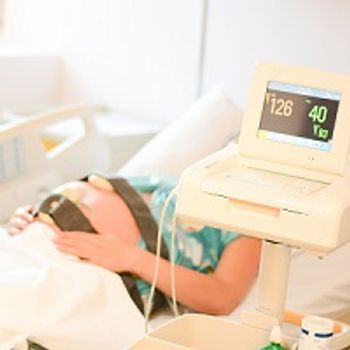
The findings show 31.5% of pregnant women with COVID-19 are hospitalized compared to just 5.8% of nonpregnant women.

Dr. Jennifer Martin explains how teenagers could benefit from a better sleep schedule and a later wake up time.

ADHD, autism spectrum disorder, seizures, and even developmental delays are asssociated with a two-fold risk of asthma in US children.

New analysis of the Jackson Heart Study found experiencing a greater amount of discrimination could increase risk of hypertension in African Americans.
Dexamethasone should also be used for up to 10 days in patients with COVID-19 who require supplemental oxygen but are not mechanically ventilated.
An OB/GYN discusses the signs and symptoms of infertility.

The diversity of the fecal mycobiome of the last sample collected was 2.5-fold higher in COVID-19 patients than it was in the control group.

Fluoxetine alone was more effective treating depression than a combination of fluoxetine with cognitive behavioral therapy.
Triheptanoin is a highly purified, synthetic, seven-carbon fatty triglyceride designed to provide medium-chain, odd-carbon fatty acids as an energy source and metabolite replacement for those with LC-FAOD.
Increased technology use and alcohol consumption may be leading to some troubling trends in sleep.

Ozanimod could soon be added to the ever growing stable of potential treatments for Crohn’s disease.

The iCoagLab test reports several coagulation metrics within minutes, whereas traditionally it can take several hours for coagulation defects to be detected.
A systematic review and network meta-analysis is comparing 9 classes of therapies for HbA1c and risk management in patients with low versus increased cardiovascular risk.

Results of a new study suggest patients who undergo congenital heart surgery during youth have an increased risk of cardiovascular disease, endocrine disease, and psychiatric disease.

A new analysis of more than 47 million person-years of data indicates women who delivered a baby preterm were at a greater risk of developing ischemic heart disease.

The project demonstrates success in increasing availability and access of opioid-related services to residents of rural counties experiencing high overdose rates.
The FDA recommends additional safety and efficacy data from the ongoing REGENERATE trial.
Heron Therapeutics is expected to meet with the FDA and resubmit an NDA for the post-operative opioid alternative.

The most common type of support needed is psychosocial and instrumental activities of daily living.

A new analysis of more than 260 children is shedding light on associations between blood pressure and ophthalmic issues later in life.

Prior family exposure represented the factor with the second highest IRR behind hospital exposure.

A new randomized trial suggests oral apixaban may be as effective as enoxaparin for thromboprophylaxis following surgery for gynecologic cancer.

Results of the FABOLUS-FASTER trial offer clinicians further insight into the effects of cangrelor, tirofiban, and chewed or integral prasugrel for immediate inhibition of platelet aggregation.

Women with premature ovarian insufficiency fare better with combined oral contraceptives compared to low-dose hormone therapy.

Those with ≥150 min per week in moderated or vigorous activities were low risk while those with less than 150 or sedentary activity were higher risk.

There is a significant increase in metabolic syndrome prevalence among young adults, while prevalence remains high for those at least 60 years old.

Low-level viremia was transiently detectable in 21 recipients in the early post-transplant period, but not after 14 days.