

How experts were able to continue seeing patients for women's health-related needs during COVID-19.
How experts were able to continue seeing patients for women's health-related needs during COVID-19.

A streamlined testing procedure in sub-Saharan Africa shows improved infant and newborn patient identification.
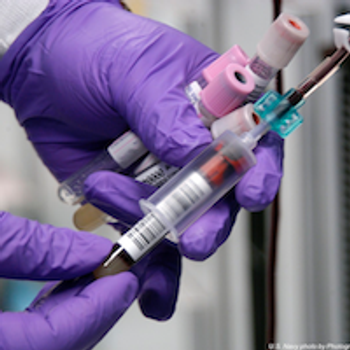
A majority of those who fall under the criteria for recommended HIV testing has not once received such testing.

The best results came from second-stage therapies, which produced significant increases in remission and response rates.

Subcutaneous injections of nemolizumab in addition to topical agents result in a greater reduction in pruritus than placebo plus topical agents.

Shorter nighttime sleep duration and later bedtime at 3.5 years old age were significantly associated with borderline personality disorder symptoms.

Genomics, in combination with patient demographic risks, could help better inform clinicians of persons at risk for worsened chronic pulmonary burden.

Those who received the agent in EMERGE reported a significant slowing of decline on measures of cognition and function such as memory, orientation, and language, as well as for activities of daily living.

Patients with acne who receive isotretinoin treatment can expect a four- to five-fold improvement from baseline to follow-up in quality of life.

No skin preparation solution is more beneficial or advantageous than others in reducing infection rates.
An expert responds to how COVID-19 has affected infertility patients.

Tests for N-methyl-Daspartate receptor, myelin oligodendrocyte glycoprotein, and aquaporin-4 autoantibodies had negative results in all patients.

The presence of anxiety symptoms moderated most alterations in emotional processing observed following sleep restriction.

In the multivariate analyses, particulate matter of 2.5 μm or less (PM2.5) was linked with dry eye metrics when adjusted for demographic characteristics, comorbidities, medications, and interaction variables.

A noninferiority study showed parents were not more anxious when their discharged child was treated as-need—nor was their child at greater health risk.
The findings emphasize that single embryo transfer and singleton births should be encouraged worldwide.

There is also an association between late onset of spring and an increase in hospital admissions for asthma.

The earliest time point where a treatment outcome could be observed was 1 week after initiation of medication compared to placebo.

Despite lower burnout rates, physicians with higher resilience still experienced more burnout than the general US working population.
One in every 8 couples may have infertility.
One of the most important things is for patients to get a full evaluation if they think they might be infertile.

Recently, there has been a 7% increase in cannabis use from pregnant mothers.

The technologies help patients with heart rhythm disorders monitor their healthcare and stay connected with their physicians.

An analysis of more than 180k patients in Hong Kong indicated use of the antihypertensive medications was associated with 22% lower risk of developing colorectal cancer.

The change of schooling likely does not impact the sleep of younger children.

What technology should be implemented to ensure a positive experience for patients?

Maintaining awareness of the signs of postpartum hemorrhage and preeclampsia/eclampsia is a fundamental step toward lowering the rate of maternal mortality in our country.

A look at the risks patients face due to the pandemic—and what minority patients may face daily.

The results echo the previous understanding of MS specialists as well as add to the literature that has been collected thus far from other assessments.
A look at the available and viable tools to continue patient access and care.