

The pandemic dramatically changed the number of patients seeking care in emergency departments.
The pandemic dramatically changed the number of patients seeking care in emergency departments.

The approval is based on data from 2 randomized, double-blinded, placebo-controlled phase 3 trials.
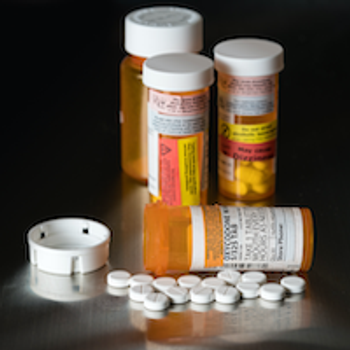
It is important to evaluate opioid use among patients before surgery to modify patient-level risk factors.

Data from a simulation performed by investigators from Harvard Medical School is detailing the potential losses in revenue primary care practices are expected to experience in 2020.

Results of a first-in-man trial suggests a non-invasive ultrasound therapy improved cardiovascular health in patients with severe calcific aortic stenosis (CAS).

A new systematic review and meta-analysis is shedding light on the impact gestational hypertension can have on future risk of cardiovascular diseases.

An analysis of data from a trio of phase 3 trials suggest use of the novel osteoporotic treatment could increase risk of heart attack by 18%.

Both treatments were well-tolerated with only mild-to-moderate adverse events.

Survey findings suggest EHRs enhance education for fellows but the time demands of data and order entry can be a negative of the technology.

An analysis of the MARINER trial is diving deeper into the impact of post-discharge prophylaxis with rivaroxaban in patients with more severe renal impairment.

Better usability will support better relationships between physicians, their electronic health record systems, and their patients, along with the overall well-being of physicians.

Investigators identify the extent to which a machine-learning approach predicts acute improvement for individual depressive symptoms with antidepressants based on pre-treatment symptom scores and EEG measures.

New research suggests the microbiome from the tongue coating of patients with heart failure contains unique differences to those of healthy patients.

The researchers suggested a significant link between second-hand smoke exposure and poor sleep quality, particularly among adolescents.

The median 12-month risk of clinical relapse in patients with MES 1 was 28.7%, while the estimated annual risk of clinical relapse in patients with a MES 0 was 13.7%.

The new method results in a three- to five-fold reduction in the uncertainty in determining gestational age.

While often referred to as "Good cholesterol" new research suggests HDL measurements do little for predicting risk of heart attack in Black patients

Ken Ataga, MD, discusses new developments in interpreting the condition's progression and effect on patients.

Use of benzodiazepines or benzodiazepine-like hypnotics should only occur during pregnancy after a thorough evaluation of the benefits and risks for the mother and child.

Currently, there is not an approved test for CTE in living patients.

A new study found newly diagnosed type 2 diabetics who develop heart failure had the highest risk of death versus patients with other CVDs or chronic kidney disease.

A trio of clinicians discuss what needs to occur for telemedicine to be seen as a positive in reducing burnout during the ongoing pandemic.
Many tools are becoming available to psychiatrists who need to strengthen their reach of care outside the office.
The COVID-19 pandemic accelerated plans to make changes within their electronic health record system for a trio of Saint Louis University doctors.
A 20-year dream becomes a necessity in the days after COVID-19 began to spike. Who helped to bring it practice, and what does it look like now?
Artificial intelligence has the potential to enhance many aspects of healthcare in the US, including patient and clinical outcomes, while reducing costs.
The surprise surrounding healthcare’s embrace of technology in past months does not consider how willing physicians are to find and use the right tools.

In the last 20 years suicide rates have increased substantially, while emergency department visits for suicidal ideation and suicide attempts have doubled.

More than 80% of children and parents found the weekly injections preferable to daily injections.

New research suggests signs a person may be more susceptible to type 2 diabetes later in life are visible in children as young as 8 years old.