

The new policy also advocates for a government and telecommunications expansion of audio and video services.
The new policy also advocates for a government and telecommunications expansion of audio and video services.

Patients treated at verified level I trauma centers are more likely to receive 5-6 evidence-based practices.

APR-OD031 will be taken in combination with a patented drug delivery system to treat the rare inherited disease.
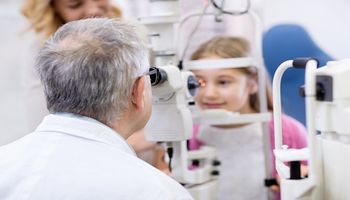
New research is shedding light on the impact pediatric strabismus has on the quality of life of children and their families.

A study’s proposed findings of increased coronavirus risk shows how presenting half of a fact can influence our care during a pandemic.

How cardiovascular experts have been communicating with international colleagues to inform local care response.

What effect may professional athletes receiving asymptomatic tests have on the public perception of the coronavirus?

Rishi Singh, MD, of Cole Eye Institute, discusses steps to take to help prevent the spread of coronavirus in ophthalmology practices.

A study of 416 hospitalized patients indicates 19.7% suffered cardiac injury, which was also associated with increased ventilation and mortality.

Patients with alkaptonuria have a higher prevalence of primary hypothyroidism.

Additional research can help better understand the risks and benefits of cannabinoids for the treatment of acute pain.

Robert Brown, MD, advises liver transplant recipients to exhibit extreme caution in the face of the coronavirus outbreak.

Telemedicine could be a particularly useful tool for sleep doctors as the COVID-19 outbreak continues.

Digital tools can be leveraged to help treat more patients remotely.

Surgical intervention leads to a bigger reduction in pain intensity compared to a more conservative approach.

A new study of more than 30k Swedish men is shedding light on associations between early puberty and risk of T2D.

What's known about at-risk cardiometabolic patient care during the pandemic.
Drug-induced sudden cardiac death is linked to several medications currently used to treat COVID-19.

It is essential to immediately roll out interventions to promote the well-being of women, nurses, and frontline workers exposed to COVID-19.
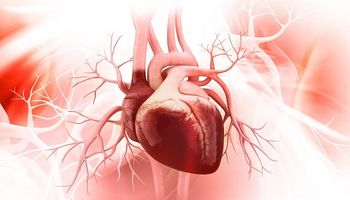
A new review from investigators at Columbia University details topics from common comorbidities to potential treatments.

Some of the ways to cope people can use include limiting media exposure and reaching out to more people.

While the opioid epidemic has had a devastating impact on American families, there is some hope that the future is bright.

A Keck Medicine expert explains how the California-based institution has pooled resources and personnel during their pandemic response.

Results of a study show the efficacy of an artificial intelligence chatbot for patients with asthma and pregnant women.
FDA grants emergency use authorization to a rapid point-of-care test to detect COVID-19 infection.

Lisa Stein Gold, MD, of Henry Ford Hospital discusses promising phase 2 data for a new PDE4 inhibitor.

The document, which includes 11 clinical competencies for NPs and PAs, is the first of its kind from the American College of Cardiology.
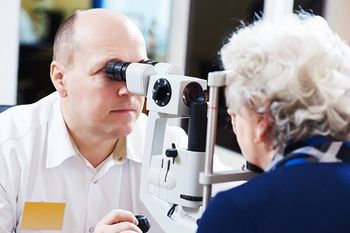
Study data suggested that up to 80% of patients with Parkinson disease may have ophthalmologic symptoms.

Telemedicine platforms can be used to monitor symptoms remotely and reduce overcrowding in healthcare facilities.

Providers should consider flu in their diagnoses of patients who present at the hospital with less recognized manifestations.