
A new perspective from federal and institutional experts explains the cause of disease severity and mortality in older, cardiovascular-risk patients.
A new perspective from federal and institutional experts explains the cause of disease severity and mortality in older, cardiovascular-risk patients.

Better testing for SDB and other sleep disorders are needed for the older population.

A panel of experts recommend how ICU workers should treat patients with COVID-19.

New data from ENDO 2020 has uncovered a potential link between loss of meibomian glands and increased blood glucose levels.
How providers can stop the spread of dangerous information during the COVID-19 pandemic.

Individuals are encouraged to continuing donating blood despite the COVID-19 pandemic.
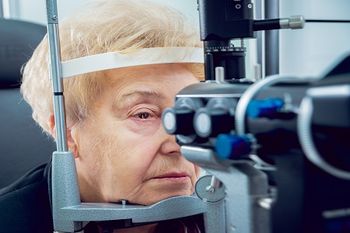
Results of the 5-year Protocol T extension study are offering insight into the differences in real-world treatment and study protocol with anti-VEGF treatments.
There is a growing understanding that obesity and non-alcoholic fatty liver disease are related.

A deeper look at how nurses are affected during the current health pandemic.
Currently, guidelines call for liver biopsies to diagnose NASH disease in patients.

Bout moderate-to-vigorous physical activity does not increase as much in very poor fitness groups.
Independent evaluations found NDMA levels increase over time and when stored in temperatures above room temperature.
Study findings show the treatment is safe and effective at stopping bleeding episodes in patients with hemophilia A or B.
The findings can lead to more education on the risk of thyroid immune-related adverse event.

Analysis indicated 31.7% of hospitalized patients had ocular manifestations and 50% of those with ocular symptoms had severe cases of COVID-19.
An analysis shows that patients find desiccated thyroid extract to be more effective and improve patient outcomes better than other therapies.

African American and Hispanic patients use devices for type 1 diabetes less than Caucasian patients.
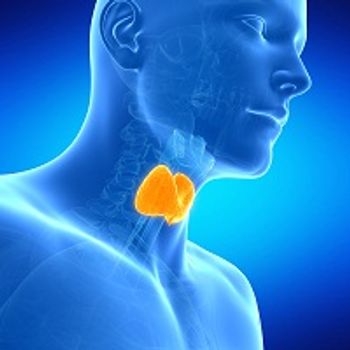
Study from ENDO 2020 assesses the effects of teprotumumab based on the age, gender, and smoking status of patients.

Appropriate monitoring and treatment of hypothyroidism is needed for individuals who work long hours.

New data from ENDO 2020 suggests the presence of erectile dysfunction and sexual symptoms was linked to increased risk of death.
Treating thyrotropin changes associated with aging adaptation could adversely alter key homeostatic compensations.

Glucagon-like receptor agonists did not reduce the rate of hospitalization for heart failure as much as SGLT2 inhibitors did.

Patients with fractures closer to the center of the body had a 1.5- to four-fold greater risk of death over 2 years of follow-up.
An AI tool identified a near five-fold higher amount of potential fractures than the manual method.

For every 1% higher baseline A1C, there was a 0.06 lower standardized CASI z-score.
The Abbott-developed test platform is already used as a molecular point-of-care device for influenza A and B, Strep A, and respiratory syncytial virus.
The intravenous approach can be used regardless of what bicarbonate delivery method a dialysis center uses.

An expert breaks down potential treatments for COVID-19 and the therapies that have failed.

The reduction is likely due to the recognition of the opioid crisis and educational guidelines at various levels.
New research is shedding light on national trends in outcomes and predictors of in-hospital mortality for patients undergoing surgical embolectomy for acute pulmonary embolism.