

How coronavirus spread has affected a New York institution's invasive cardiology department.
How coronavirus spread has affected a New York institution's invasive cardiology department.

New expanded analysis from the IMPACT trial shows FF/UMEC/VI's benefit versus dual inhaler therapies.

Ponesimod reduced fatigue-related symptoms in phase 3 clinical trial.

Investigators discover individual differences in perfectionism could amplify the association between repetitive negative thinking and mood.
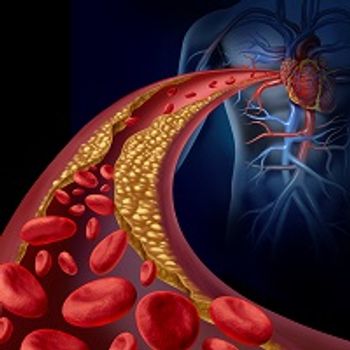
Data published in NEJM demonstrate the siRNA agent's ability to lower cholesterol in patients with multiple conditions.

The approval of sofosbuvir and velpatasvir comes after a multicenter clinical trial confirmed the safety and efficacy of the treatment.

The vaccine is safe and effective in preventing pneumococcal disease and pneumonia.

A new asthma study will leverage real-time data in the next 10 years.

Technology, data, and community partnerships can help improve the overall health of patients with chronic health conditions.

Manesh Patel, MD, of Duke University School of Medicine, discusses what we know about COVID-19 and its impact on cardiovascular health.
Doctors of all fields, including pulmonologists, are coming together to collaborate on research regarding the ongoing threat of the coronavirus.

Telehealth tools can identify someone whose symptoms are worsening and connect them to a medical professional.

In the final segment of the series, experts look ahead to how pain management will grow to treat the millions of burdened Americans.

The online program also reduced stress, anxiety, and depression in women seeking treatment for infertility.
The Professor of Medicine at Duke University School of Medicine discusses prescribing DOACs and his opinion on a recent meta-analysis in the Annals of Internal Medicine.

Lessons learned when traveling home during the COVID-19 pandemic.

Individuals are encouraged to maintain some semblance of normalcy in face of the coronavirus outbreak, including regular exercise and sleep.

The former SCCM president speaks on the risk of facing ICU-trained personnel shortages during the coronavirus spread.

Recent studies analyze the sensitivity and specificity for RT-PCR and chest CT for diagnosing coronavirus.

Women with comorbidities and those with abdominal pain accompanied by constipation are more likely to have a missed diagnosis.

In a show of solidarity, the major cardiology organizations have released statements addressing the topic.

A new meta-analysis found dual therapy was associated with less bleeding events than triple therapy in AF patients after PCI.

Some gastrointestinal symptoms could be exacerbated by contracting the novel coronavirus.

New research from an international team of investigators suggests more than 80% of cases have been transmitted by undocumented infections.

Digital tools like electronic health records play an important role in addressing care for patients with chronic health conditions.

In part 4 of our series, guideline authors and researchers relay the particularities of guiding and regulating the spread of still-necessary painkiller prescriptions.

New research suggests taking low-dose aspirin could reduce the risk of hepatocellular carcinoma in high-risk patients.

Patients who take opioids after a tooth extraction report higher pain levels than nonopioid users 6 months after the procedure.

In a new study, investigators identify the correlation between treatment duration and ferritin level changes in responders to oral iron supplementation.

Roy Schoenberg, MD, MPH, discusses the populations that can most benefit from using telehealth tools and Medicare reimbursement obstacles.