
This episode of Lungcast features a discussion on emerging treatment approaches for SCLC.
This episode of Lungcast features a discussion on emerging treatment approaches for SCLC.

Le discusses the implications of these new guidelines and whether the US healthcare system can manage the increasing public burden of hypertension.

Parent company Iolyx Therapeutics has announced plans to move into phase 3 trials of the investigative immunomodulator later in 2025.
In this video, the last in a 5-part series, panelists discuss their future outlook on bronchiectasis management.
In this video, the fourth in a 5-part series, panelists discuss who may benefit from brensocatib's approval.
In this video, the third in a 5-part series, panelists discuss data from the phase 3 ASPEN trial.
In this video, the second in a 5-part series, panelists discuss the recent FDA approval of brensocatib.
In this video, the first in a 5-part series, panelists discuss recent advancements in bronchiectasis management.
This episode highlights the groundbreaking approval of semaglutide for metabolic dysfunction-associated steatohepatitis, as well as GoodRx’s new Ozempic pricing.

Best discussed the landmark approval for zopapogene imadenovec for recurrent respiratory papillomatosis.

Pergola describes the shortcomings of current phosphate binders and what benefits OLC may offer for hyperphosphatemia in patients with CKD on dialysis.

Laura Ferris, MD, PhD, reflects on her unexpected path to department chair as well as the lessons of her journey as a leader in academic medicine.
This HCPLive Five episode focuses on 5 key ophthalmology updates from the ASRS2025 conference.


This August 2025 News Update spotlights Ugonabo’s career journey, her award and its story, and the growing importance of tailored dermatologic care for diverse skin tones.
Counting down the most impactful news at major medical meetings, it’s the HCPLive Five! This episode focuses on 5 key dermatology updates from the DERM2025 meeting.

Avacincaptad pegol, pegcetacoplan, and aflibercept 8mg do not increase risk of ocular hypertension and glaucoma, despite having higher volumes.
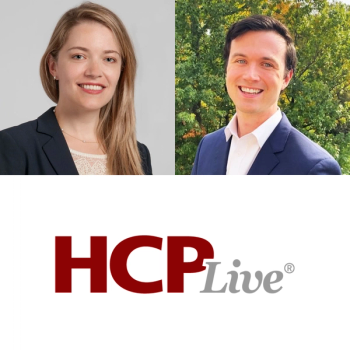
Results from a recent trial indicated continuously decreasing risks of all forms of retinal vascular occlusion and retinal vein occlusion for 5 years after treatment.

Both trials indicated lasting visual improvements in patients treated with Ixo-vec who had previously received anti-VEGF injections.
Discover key advancements in endocrinology from July 2025, including FDA approvals and trial results.

One year after neffy's approval, 4 clinicians and 1 PharmD examine its continuing impact on the field.
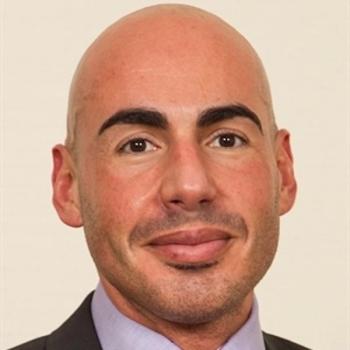
An interim report from the ongoing trial shows few adverse events resulting from 60 weeks of treatment with the combined AAV vector/dual-transgene cassette.

The new, bioerodible intravitreal implant, which periodically releases the tyrose kinase inhibitor vorolanib, may be capable of reducing treatment burden for at least 6 months.

The ongoing Archway-Portal extension study indicates the lasting efficacy and safety of ranibizumab dosing via the Port Delivery System.

Nester describes the evolving C3G therapeutic landscape, the value of now having pegcetacoplan to offer patients, and trial data supporting its approval.

Results from the BEHOLD and ASPIRE trials indicate the long lasting effects of UBX1325 in improving retinal function and structure.
July delivered 9 impactful advancements across the gamut of disciplines in cardiology.

This list highlights a variety of notable DERM 2025 conference news coverage, specifically in the field of atopic dermatitis.
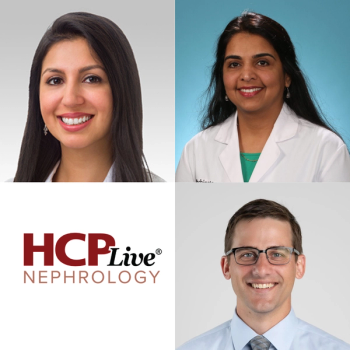
In the final segment of this 5-part HCPLive RX Review, experts discuss real-world barriers to implementing new C3G therapies and lingering unmet needs.
In part 4 of this 5-part HCPLive RX Review, experts discuss how the availability of new therapeutic options are changing the treatment paradigm in C3G.