

In this video, the fourth in a 6-part series, panelists discuss recent advancements in PsO management.
In this video, the fourth in a 6-part series, panelists discuss recent advancements in PsO management.
In this video, the third in a 6-part series, panelists discuss recent advancements in PsO management.
In this video, the second in a 6-part series, panelists discuss recent advancements in PsO management.
In this video, the first in a 6-part series, panelists discuss recent advancements in PsO management.

Majcher discusses innovations in ocular imaging and the importance of educating patients on early warning signs of myopia to halt disease progression.

Thomas discusses emerging therapies, new technologies, and the reform needed to help these new developments reach the patients in need of them.
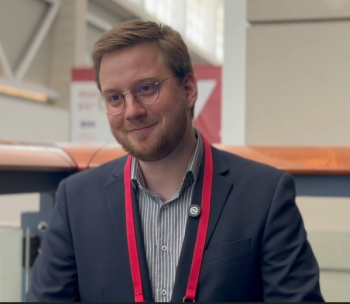
Sandforth discussed his research that found that early prediabetes remission conferred greater protective effects against T2D than later remission.

Landela’s research on an impoverished community in South Africa encourages clinicians to help similar populations get the care they need.

Nguyen spoke to the importance of being aware of heightened stress, anxiety, and depression due to myopia’s long-term treatment requirements.

Overexposure to mobile phones and similar devices can impact ocular and mental health; Roe suggests methods of managing screen time.

Lonsberry recommends alternative approaches to manage postoperative pain, balancing the need for relief against the risk of addiction and death.

Whitley speaks to the plethora of available biologics, the choice paralysis that can accompany the wide range of options, and the future of the industry.

Drs. Richman and Wartman discuss the benefits of using predictive and diagnostic AI, while cautioning about the implicit risks of overreliance on early, imperfect technology.
This clinical episode of Skin of Color Savvy features a discussion on UV safety and photo protection in patients with skin of color.

Veeral Sheth, MD, is joined by the director of marketing of eSight to discuss the 5th generation eSight Go, a device to enhance central vision functions in patients with a variety of eye diseases.

Ellis discusses new data showing EURneffy nasal spray delivers effective adrenaline even during allergic rhinitis, matching intramuscular injection.
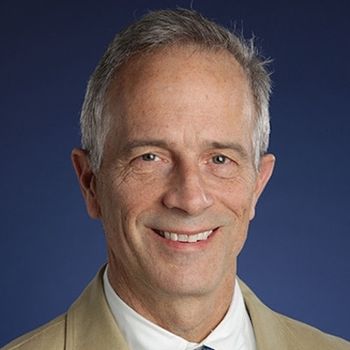
Following the AAD guideline update on atopic dermatitis treatments, Sidbury speaks to the significance of the guideline recommendations for patients and clinicians.

Explore key advancements in endocrinology from Q2 2025, including FDA approvals and groundbreaking diabetes research shaping future treatments.
Sidbury highlights updates to previous guidelines on the management of atopic dermatitis using approved topical and systemic therapies.

Chang explains the importance of collaboration between gastroenterologists and allergists in EoE care and praises recent ACG guidelines on disease management.
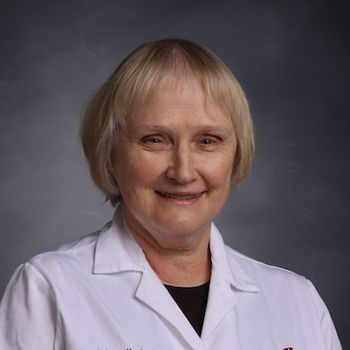
Maria Hordinsky, MD, spoke at SDPA regarding her talk highlighting a variety of clinical pearls for spotting scarring alopecia early.
In her SDPA interview, Maria Hordinsky, MD, spoke about her session regarding clinical pearls for clinicians seeking to spot alopecia early in patients.

At SDPA 2025, Spizuoco discussed how trichoscopic signs like black dots, yellow dots, and exclamation hairs guide treatment decisions.

This interview segment with Scherer highlights additional takeaways from his SDPA 2025 talk, covering clues for clinicians to identify different interdigital foot infections.
In this interview at SDPA, Scherer provides an overview of foot web space infections, fungal versus bacterial infections, and more.

At SDPA 2025, Cotter highlights clinical patterns in alopecia areata that may respond better, or worse, to JAK inhibition and shares his approach to systemic therapy.

At SDPA 2025, Mangin emphasized the importance of wood lamp use, JAK inhibitors, and phototherapy in managing vitiligo and preventing relapse.

Hope Cook, PA-C, speaks in this interview at SDPA about strategies for clinicians seeking to overcome burnout in their careers.
In this interview at SDPA 2025, Hope Cook, PA-C, describes the contents of her talk regarding helping clinicians heal from burnout.

Silverberg discussers 16-week data for rezpegaldesleukin in atopic dermatitis from the phase 2b REZOLVE-AD trial.