

In this special episode, cohosts preview the most anticipated data and explore clinical implications in diabetes and obesity.
In this special episode, cohosts preview the most anticipated data and explore clinical implications in diabetes and obesity.

At SLEEP 2025, Fung discussed how combining a masked taper, CBT-I, and a nightly dose-tracking diary helped older adults achieve long-term benzodiazepine discontinuation.
At SLEEP 2025, Fung shared that masked taper plus CBT-I led to higher benzodiazepine discontinuation and improved sleep in older adults.

In this RAD 2025 interview, Paller highlights her team’s findings on disease and family burden of topic dermatitis in children.

Gulati covers the promises and pitfalls of the healthcare world’s increasing focus on obesity as a disease and the variety of complications to which it gives rise.

At SLEEP 2025, Danny Eckert, PhD, discussed new drug therapies for OSA, including tirzepatide, AD109, potassium channel blockers, and acetazolamide.
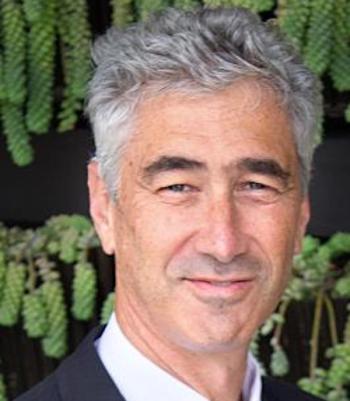
Budoff suggests monitoring serum lipoproteins like Lp(a) and ApoB to predict cardiovascular disease risk in patients with no conventional indicators.

A recap of 3 Kidney Compass podcast episodes recorded at ERA 2025, including summaries and preview clips.

HCPLive spoke with Bowles at SLEEP 2025 on the staggered schedule, referred to as 1/3/2/3, and how it impacts firefighters' sleep.
A recap of 5 studies to know from the ERA 2025 Congress, including expert perspectives.

At SLEEP 2025, Colvonen discussed RCT findings that showed VeNS significantly improved PTSD and insomnia symptoms, offering a scalable solution for patients awaiting 1-on-1 care.

This interview with Peter Lio, MD, at RAD 2025 provides several insights into the topic of topical steroid withdrawal versus atopic dermatitis and what the distinction may be.

Martin reviews recent trends in cardiovascular disease and contributing underlying risk factors, describing them as a “call to action” for cardiovascular care.

In this interview at RAD 2025, Peter Lio, MD, highlighted whether precision medicine is a possibility in the near future in the atopic dermatitis management space.
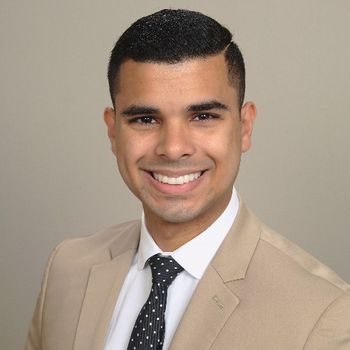
Lopez discusses the evolving understanding of the utility of SGLT2 inhibitors and GLP-1 RAs in heart failure care, including both HFpEF and HFrEF.

Incretin-based therapies for obesity and diabetes may be capable of treating a much wider range of diseases, including Alzheimer’s and Parkinson’s.
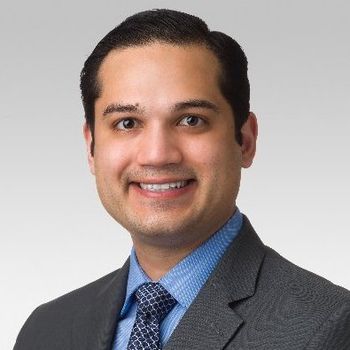
This interview at RAD 2025 highlights several notes on dose flexibility in atopic dermatitis, with commentary by presenter Raj Chovatiya, MD, PhD.
Lopez reviews findings from an analysis of ARISE-HF highlighting racial and ethnic differences in baseline characteristics and diabetic cardiomyopathy disease progression.
An analysis of the VALIANT trial provides insight into the benefits of pegcetacoplan in patients with C3G and IC-MPGN.
A RaDaR analysis from ERA 2025 provides insight into predictors of disease progression, outcomes in patients with Alport syndrome.
This interview features a discussion with Lio regarding pediatric atopic dermatitis and the connection between caregivers, patients, and providers.

This interview with Singh highlights her conference presentation on allergy and its connection to pediatric atopic dermatitis.

Pagidipati describes barriers to implementing guideline-directed medical therapy in patients with cardiometabolic diseases and steps needed to overcome them.

Khan’s presentation indicates that combination screening is the optimal method of identifying heart failure risk while minimizing the percentage of cases missed.
A study presented at ERA 2025 validates the use of proteinuria as a surrogate endpoint for FSGS clinical trials.
This interview highlights 3 new topical non-steroidal options for atopic dermatitis covered in Kircik’s RAD 2025 presentation on FDA approvals.

In this interview with Shahriari at RAD 2025, she highlights some of the most significant burdens that patients and caregivers face with atopic dermatitis.
52-week data from the VALIANT program shed further light on the potential of pegcetacoplan in C3G and IC-MPGN.
In this video segment, Kircik described the data highlighted in his JAK inhibitor-related presentation at RAD 2025.