The Johns Hopkins expert details recent advances in remote cardiovascular care and research, and explains how the field will continue to evolve.
The Johns Hopkins expert details recent advances in remote cardiovascular care and research, and explains how the field will continue to evolve.
By blocking certain neurogenic changes that occur in the lungs at childhood, patients may avoid asthma and allergic responses into adulthood.
Currently, antibiotics comprise roughly 80% of prescribed pregnancy medications, and recent epidemiological studies have indicated a link between antibiotic use and dysbiosis.
Dr. Mathias noted that investigators are continuing to determine if age plays a role in peanut allergy risk and sensitization.
The study found that PARTICS, in addition to the usual care these patients received, reduced severe asthma exacerbations by 15.4% (p50.048) which corresponded to a reduction of 13 exacerbations/100 patient-years.

Most cases had onset after 4 hours and were mild, which Dr. Anvari noted should not contraindicate future COVID-19 vaccine doses.

To date, dupilumab is the only biologic medicine to show positive, clinically meaningful phase 3 results in adults and adolescents with EoE.
Dr. McKeon speaks of how patients can be more involved with managing their asthma and allergies by avoiding exposures in their own homes.

Though telemedicine has improved upon school-based asthma programs across the country, Dr. Phipatanakul notes that the adoption of these programs can be difficult to implement.

Dr. Trivedi speaks of a new text-based program that helps provide asthma care to children from communities of color, as well as how COVID-19 affected school-based asthma programs.
Dr. Zein speaks of the relationship between eosinophil count and COVID-19 illness and mortality, especially as it related to inhaled corticosteroid use.
With the field already booming with capability, a Penn Medicine expert discusses her team's research into finding the right tools for the right patients and clinicians.
An executive with Seqirus discusses the company's work to address age-related flu severity risks.
A pilot trial from Perelman showed patients were far more likely to provide blood pressure levels via text than a standard online patient portal.
A look into the research and prospects Seqirus looks to fulfill with the technology platofrm.
There is concerns over missed early screenings for gastrointestinal cancers due to the COVID-19 pandemic.

Dr. Chovatiya returns to speak of some of the changes regarding the study of skin of color that have occurred in recent years.
Investigator Andrew T. Chan, MD, MPH, discusses his team's recent findings showing a positive link between primary care providers per capita and community vaccination rates.

Dr. Lal speaks to deficiencies in dermatology education as they relate to skin of color, and how more inclusive language and media help dermatologists improve patient care.
The program has returned with a renewed focus for Black and skin of color-dominant residency programs in addition to those with limited access to mentorship resources.

Dr. Shankar speaks to how physician training and patient conversations can evolve in dermatology through progressive antiracism efforts.
Steffen Schmitz-Valckenberg, MD, explains the close association between disease progression and uncovered risk alleles.
Veeral S. Sheth, MD, MBA, discusses the potential value of complement inhibitors for the at-need patient population.
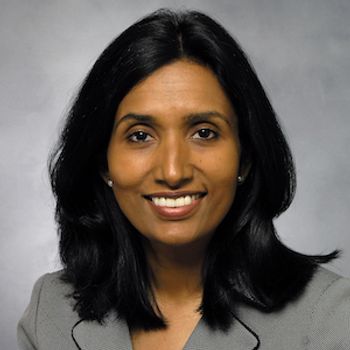
Dr. Poornima explores improving engagement in women’s cardiovascular care from both a provider and a patient level.
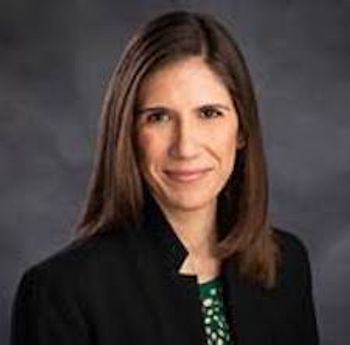
February 3 is National Women's Physician Day.
YOSEMITE and RHINE data further supports the novel agent for diabetic macular edema. A study investigators explains the impact of the new findings.
Joined by 5 experts in the field of burnout, Crisis Point uncovers the ways burnout manifests and the ramifications it has on both personal and professional lives.

An expert explains how flu monitoring, sequencing, and preventive strategies may be improved due to the pandemic.
A public health expert discusses how the future of COVID-19 may be managed similarly to flu—and why vaccination efforts are similarly burdened.