

The modern psychiatrist may play many roles, including as a mentor and a facilitator to social-based support.
The modern psychiatrist may play many roles, including as a mentor and a facilitator to social-based support.

There are several live microbiota therapeutics in development, including RBX2660.

Data show the safety profile of Ustekinumab in long-term IBD pooled safety dataset was found favorable among bionaive patients.

The treatment has previously been approved by the FDA for the treatment of ulcerative colitis.

Rachel Talley, MD, discusses the industry-level changes needed to trainee recruitment and retention to create a psychiatry field more representative of its patient population.

The age of screening for colon cancer has decreased in recent years.
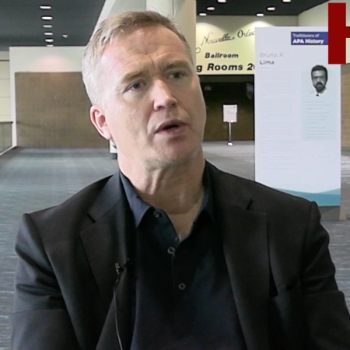
With administration strategies for the psychiatric anesthetic drug well established, clinicians have interest in accumulating long-term data and other potential indications.
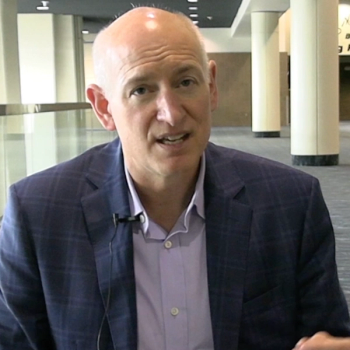
Brent Forester, MD, MSc, discusses the confluence of biomarker and disease-targeting therapy in Alzheimer's, and the need to appropriately introduce these tools.
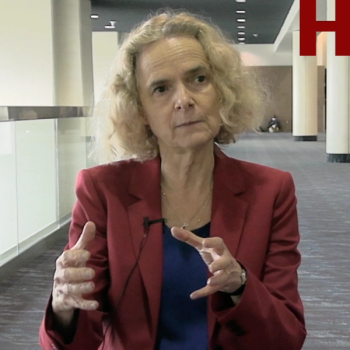
The director of NIDA discusses the unprecedented impact of the pandemic on overdose deaths—and how substance use disorder care may still reach greater capability when all is said and done.
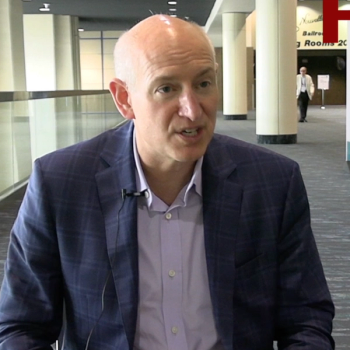
Dementia and Alzheimer's disease cases are anticipated to boom in coming decades. One expert stressed the need for improved screening and facilitation of care at the earliest stages and signs.

The lead author of treatment recommendations weighs in on their current use and future research.

Patients who have IPAA are more than twice as likely to suffer from male sexual dysfunction.

Amid significant psychotherapy innovation and consideration to broader aspects of mental illness definition, Jonathan Alpert, MD, PhD, emphasizes the need for improved clinical trial standards.

New phase 3 data presented at APA 2022 support the agent as an adjunctive in older patients without benefit from monotherapy antidepressant medication.

Montefiore psychiatry chair Jonathan Alpert, MD, PhD, discusses suggested updates to the DSM-5—with consideration to social determinants and patient-reported functioning.

Linda Chokroverty, MD, discusses the significance of timing, communication and care coordination when children are affected by disasters or trauma.

APA president-elect Rebecca W. Brendel, MD, JD, discusses the need to prepare for a "twin mental health pandemic" while continuing to appropriately facilitate innovations in psychiatric care.

Anita Clayton, MD, reviews the available phase 2 and 3 clinical data for the novel, once-daily oral investigative drug.

Linda Chokroverty, MD, discusses the role psychiatrists play in managing the mental health effects of disasters, and how children specifically may be impacted.

A pair of psychiatrists discuss how climate change and other social determinants of health are affecting the mental wellbeing of indigenous people.

It takes even more than a village to provide the comprehensive care needed for aging, neurocognitive patients, says Rajesh R. Tampi, MD, MS.

Rajesh R. Tampi, MD, MS, discusses the evolved definition of dementia as a cognitive disorder, and how its spectrum of symptoms impact clinical development.

Christian Lillis of the Peggy Lillis Foundation for C. Diff Education & Advocacy discusses the need for greater industry-organization support and drug development.

Results from the 2 APPaRENT trials suggest regular inhaled corticosteroids/LABA alone or with short-acting beta agonists were the preferred treatment approach with physicians.

Dr. Richmond speaks to the newest pulmonology data from Vanderbilt University that was presented at ATS 2022.

Dr. Rizzo sits down with HCPLive to discuss the impact of air pollution and allergies on pulmonary health, as well as new research on pulmonary arterial hypertension.

Dr. Tara Vijayan talks about how primary care physicians can be best combat misinformation.

Alcohol use increased during the COVID-19 pandemic, leading to an increase in alcoholic hepatitis.
High-risk individuals should be targeted when drug scarcity comes into play.
There remains a need to develop more antivirals that can be easily scaled up for COVID-19.