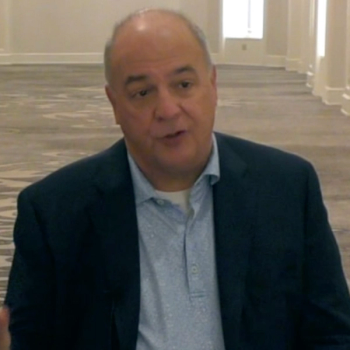
The St. Jude oncologist discusses the 30-year development of pediatric melanoma interpretation.
The St. Jude oncologist discusses the 30-year development of pediatric melanoma interpretation.

Recent data during ECCO 23 show ustekinumab results in higher rates of clinical remission and clinical response in patients with inflammatory bowel disease.

At ACC 2023, Hoeper provides insight into the key efficacy findings of STELLAR and delves into the safety concerns and generalizability of sotatercept for PAH.
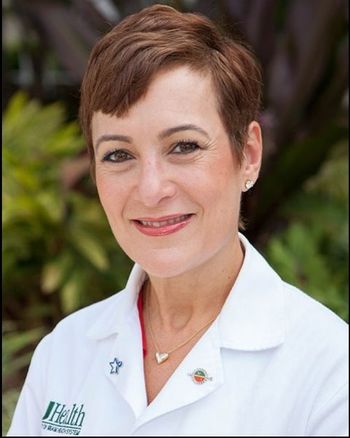
Much of the recent focus on drug development in IBD has centered on the IL-23 pathway.

David Tom Cooke, MD, reviewed the importance of shared decision making as it relates to risk and benefit of cancer screening, as well as in more refined invasive care options.

The connection between different ADHD subtypes and mood disorders has not been fully explored.
Singh presented during the recent APSARD conference. onthe topic of ADHD and bipolar disorder.

The FDA has approved several biologics in recent years for the treatment of patients with inflammatory bowel disease.

Dose de-escalation of tofacitinib resulted in less hospitalizations for patients with ulcerative colitis.

The potential for personalized medicine in inflammatory bowel disease might. be realized in the next few years.

Michael J. Ackerman, MD, PhD, discusses the simplicity and availability of education around CPR and defibrillator use, and the role of clinicians in raising public health preparedness.

A Mayo Clinic cardiologist discusses the national variability in CPR and AED access, and the actions that saved Hamlin's life during Monday Night Football.
A maternal-fetal medicine physician discusses plans for improvements in 2023.
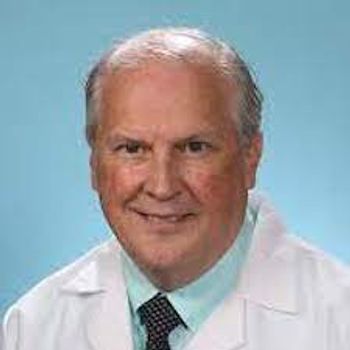
With the population aging, there is a need for new treatments in nephrology.


A continued discussion with Dr. Bays on anti-obesity therapies down the line and where they might be in the near future.
Anti-obesity medications have the potential for significant weight reduction, but the development of newer agents may lead to an even greater change in obesity care.

American Lung Association's Jennifer Folkenroth discusses the issues with "cold turkey," and what every habitual smoker should look for in a cessation plan.
A pediatric emergency medicine physician discusses the epidemic factors that still perturb experts, and the status of vaccination and treatment strategies.
Brett King, MD, PhD, reviews how the drug class has altered the state of chronic skin disease management in this year alone.
Why patience is key following the major FDA decision earlier this year.

In the QUSAR study, 80% of patients treated with guselkumab achieved a clinical response.

A review of the development of complement inhibitors and how the latest GATHER2 data support avacincaptad pegol for the treatment of geographic atrophy.

Dr. Demirjian explained suggested changes to how dialysis is conducted in hospital settings.

There are plans for a larger sized study testing zetomipzomib in patients with lupus nephritis.

With the population aging, there is a need for more home environmental treatment options for patients with kidney disease.

The study shows vitamin D levels do not necessarily forecast the risk of cardiovascular disease in patients with chronic kidney disease.

Females generally have a lower risk of cardiovascular disease compared to males.

New phase 3 data shared at Fall Clinical Dermatology show the IL-13 inhibitor maintained skin clearance observed at 16 weeks.

After the announced recall of dry shampoo products by Unilever this month, dermatologists anticipate an uptick in patient concerns.