

Lungcast's July episode guest discusses how long Covid therapy development is still about 5 years away from the market.
Lungcast's July episode guest discusses how long Covid therapy development is still about 5 years away from the market.

Crisis Point returns with an episode on cardiometabolic health disparities, as 3 experts unravel the scope of the crisis, from its historical basis to ongoing social determinants of health in the modern age.

Juan Frias, MD, discusses the potential impact of an FDA approval for once-weekly insulin icodec based on data observed within the ONWARDS program.

A 7-year longitudinal analysis presented at ADA 2023 suggests time in range was associated with an increased risk of diabetic retinopathy in people with type 1 diabetes.
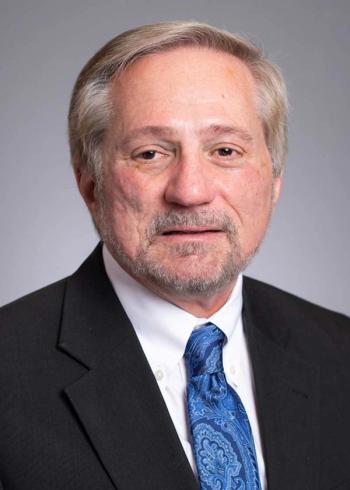
At ADA 2023, we sat down with W. Timothy Garvey, MD, to learn more about the safety and efficacy of tirzepatide in the SURMOUNT-2 trial and how the results complement SURMOUNT-1.
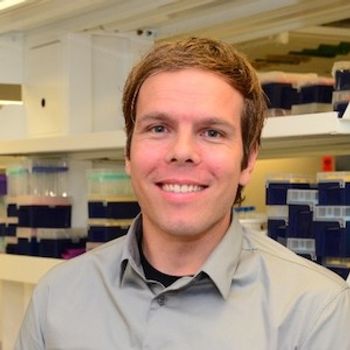
An analysis at ADA 2023 presents novel findings on the inverse association between clinical and biochemical factors in diabetic retinopathy and age-related macular degeneration.
While contact dermatitis is difficult to distinguish in children, there has become a greater collaboration between allergic and dermatologic specialists in managing conditions like atopic dermatitis.
The first triple-combination topical drug for acne may be available by the end of this year. One expert has high hopes for it.
Zirwas touts topical ruxolitinib's rapid, effective treatment of atopic dermatitis, and reviews the safety outcomes associated with JAK inhibitors.
Pigmentary disorders including melasma are difficult to treat and complex. The leading agent for one expert was uncovered by unique circumstances.

From addressing the rare acne fulminans to utilizing narrow-spectrum antibiotics, the modern field of acne treatment is more complicated than it seems.
In the span of a decade, agents like topical ivermectin, minocycline and benzoyl peroxide has provided more opportunities to achieve clear skin for rosacea patients.
The trial investigator reviews disparities in patient needs and treatment outcomes based on their skin complexion, 1 year after ruxolitinib's FDA approval.
Often lost in the fray of new drug development is the need to reinforce improved behavioral health, explains a longtime dermatology nurse practitioner.

On the basis of discovery into what drives adult-onset eczema, the novel drug may provide a unique benefit for impacted patients.

A post hoc analysis shows the investigative drug significantly improved atopic dermatitis symptoms versus placebo as soon as the first week into a phase 2 trial.

It's been a whirlwind few years for dermatology. The nurse practitioner discusses modern care teams, comorbid psoriatic disease, and expanding patient inclusion in clinical trials.
Yan discusses how acne care strategies have been bolstered—and complicated—by pharmacotherapy and telemedicine developments.

With multiple drug classes working toward FDA indication, a dermatologists explains his strategy for managing hidradenitis suppurativa.

The CHOP pediatric dermatology director reviews recent breakthroughs in understanding complex pathophysiology of skin diseases.
The investigator explains why he believes the PDE4 inhibitor is "as close to a perfect drug as you can hope for in seborrheic dermatitis."

At the 7th Annual Heart in Diabetes meeting, Joseph discussed the need to advance equity in diabetes management, from clinical practice to community-based interventions.
An investigator argues for greater prescriber understanding and communication of real-world efficacy and safety outcomes for the latest oral JAK inhibitor approved for atopic dermatitis.

Oral JAK-1 inhibitors upadacitinib and povorcitinib are showing significant benefit for patients with HS, and may soon be up for FDA decision.

Stephen Greene, MD, discusses the results of a recent GWTG-HF registry analysis, which concluded just 1 in 5 hospitalized patients with HFrEF were discharged with an SGLT2 inhibitor prescription and less than 10% were receiving all 4 classes of guideline-directed medical therapy.
Steve Greene, MD, discusses the results of a TRANSFORM-HF analysis comparing the effects of furosemide and torsemide on quality of life outcomes in patients with heart failure.

Cases have increased annually; a clinician shares his strategy for remaining aggressive and diligent in prevention and management.

Secukinumab and bimekizumab may reach the market soon for the treatment of HS. What will it provide patients?

The introduction of the TYK2 inhibitor is the latest advancement toward cross-specialty care with systemic agents.

The results of the study presented at SLEEP 2023 were statistically significant, but not clinically meaningful.