
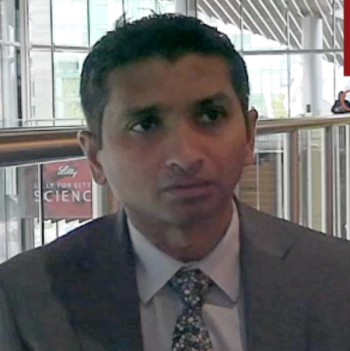
Investigator Jiten P. Kothadia, MD, discusses the advent of a predictive score for alcohol relapse risk in patients with alcohol liver disease who received a liver transplant in the last year.
Investigator Jiten P. Kothadia, MD, discusses the advent of a predictive score for alcohol relapse risk in patients with alcohol liver disease who received a liver transplant in the last year.

In this interview segment, Dr. Song provided several unique viewpoints presented in his conference talk ‘Early Dermatology Practice Pearls.’
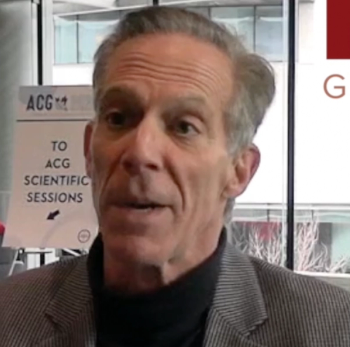
Thomas F. Imperiale, MD, discusses the pivotal findings showing improvements to the prior iteration of Cologuard, as well as bettered sensitivity and specificty relative to fecal immunochemical tests.
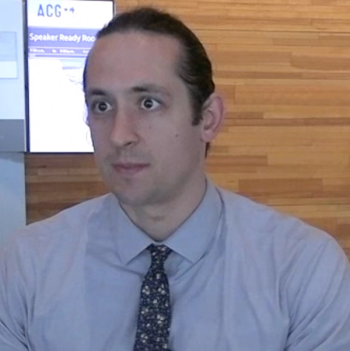
Data presented at ACG 2023 shows a significantly increased risk of infection and hospitalization due to RSV in patients with IBD. An investigator discusses implications during an era of increased vaccine options.

Dr. Eichenfield spoke in this interview segment on the tips shared in his presentation at the Fall Clinical Dermatology conference in Las Vegas.
In this interview, Dr. Eichenfield shared his views on this week’s approval by the FDA of IDP-126 for patients 12 and older with acne.
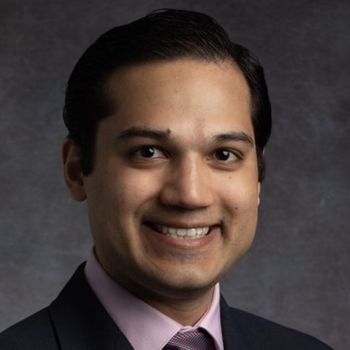
This interview segment explored the major takeaways from Dr. Chovatiya’s presentation on Type 2 Inflammation in eczema, prurigo nodularis, and chronic spontaneous urticaria.
In this interview segment, Dr. Chovatiya discussed the challenges of diagnosing Type 2 inflammation in several different dermatologic diseases.
In this interview, Dr. Chovatiya touched on several important updates and recent developments in the JAK inhibitor space for dermatologists.
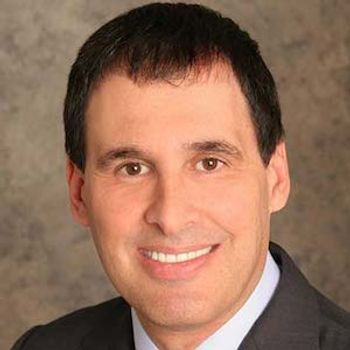
In this interview segment, Dr. Nestor speaks on some of his biggest takeaways from his talk ‘What’s Coming Up Next?’ given at the Fall Clinical Dermatology conference.
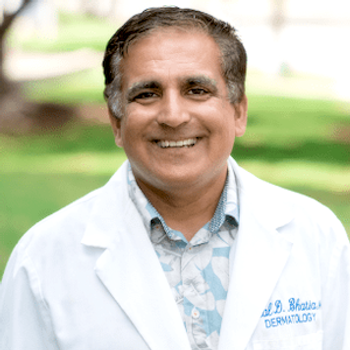
This interview featured a discussion with Dr. Bhatia on the future of actinic keratosis diagnosis and treatment, as well as advances and important facts for clinicians to remember about risk.
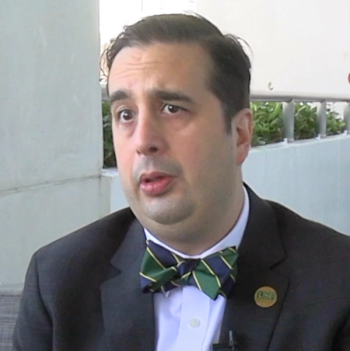
Though rare, pediatric colon cancer often presents in advanced stages—emphasizing the need for awareness of risk factors and the opportunities borne from timely intervention.

Phase 2b data from the AHFIRM trial is anticipated soon. Reau discusses what the agent may show in treating alcohol-associated hepatitis.

This segment of Dr. Okoye’s interview featured a set of examples of HS patients’ struggles with access to medication, as well as discussion of potential solutions.
This interview with Dr. Okoye featured a discussion about her presentation at the SHSA conference, specifically regarding healthcare disparities for HS patients.

Shen explains how the pandemic affected the state of US elderly care, and discusses room for future research.
Shen discusses her team’s research into the link between high turnover rates in US nursing homes and worsened quality of care.
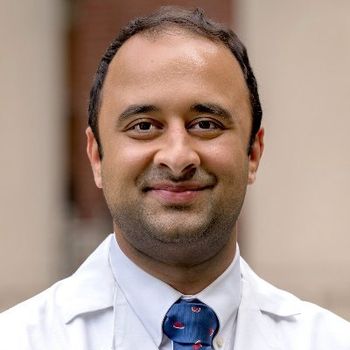
Ankeet Bhatt, MD, MBA provides additional perspective on a recent study examining the cost-effectiveness and health impact of sacubitril/valsartan use at different thresholds of ejection fraction.
Ankeet Bhatt, MD, MBA, offers perspective into the results of a recent analysis of the GWTG-HF registry at HFSA 2023.
A study presented at HFSA 2023 offers clinicians an overview of the influence of socioeconomic status on access to implantable hemodynamic monitors using the National Inpatient Sample.

Hosts are joined by Marat Fudim, MD, MHS, of Duke, to discuss the REBALANCE-HF trial, which examined endovascular ablation of the right greater splanchnic nerve in heart failure with preserved ejection fraction.
Slight differences in disease presentation, as well as navigating the safety discussion with parents, presents unique recommendations for pediatricians initiating invasive imaging.
The optimization of diet and nutrition support during pediatric patients’ rehabilitation is a strategy in lieu of a comprehensively ideal guideline and requires an appreciation for the individual.
Maralixibat and odevixibat have been "game changers" for their benefit in pruritus, and clinicians are interested to learn more about their long-term hepatic benefit.
New data show a promising machine learning tool could help specialists detect fistula risks and provide more tailored, timely care in children.
A number of systemic, industry-based and cultural factors are driving an underrepresentation of minorities in clinicals.

Specialists are hindered by limited therapies and a lack of noninvasive testing methods. Martinez shares a wishlist for her colleagues.
The features of pediatric IBD can be non-specific, but there are signs in biopsies and clinical history that may indicate what is and isn't IBD.
José López, MD, discusses the results of a study he led examining contemporary trends in racial disparities as it pertains to LVAD utilization in patients with heart failure with reduced ejection fraction.

Lauren Eyadiel, MMS, PA-C, offers insight into a presentation from HFSA 2023 examining strategies for overcoming financial barriers to GDMT optimization in heart failure.