

This interview at ACP 2024 featured a discussion with Hemming on the Mental Health Care Model (MHCM) and addressing depression in primary care settings.
This interview at ACP 2024 featured a discussion with Hemming on the Mental Health Care Model (MHCM) and addressing depression in primary care settings.

During this segment of her interview at the ACP Internal Medicine Meeting, Jay discussed improving obesity care, telehealth utilization for patients, and more.
This interview segment featured a discussion on Jay’s ACP Internal Medicine Meeting presentation ‘Advancing Equitable Approaches to Improve Obesity Care.’

This ACP Conference interview featured a discussion with Inouye about gaps in knowledge regarding patients experiencing delirium during hospitalization.
In this interview at the ACP conference, Inouye discussed some of the major reasons for her presentation titled ‘Delirium During Hospitalization.’

Elna Saah, MD joins HCPLive to discuss the current landscape in sickle cell disease and recent advancements benefiting clinical care.
In this episode, hosts discuss the STEP HFpEF DM trial and the need for fair allocation of incretin-based therapies with ongoing shortages and overwhelming demand.
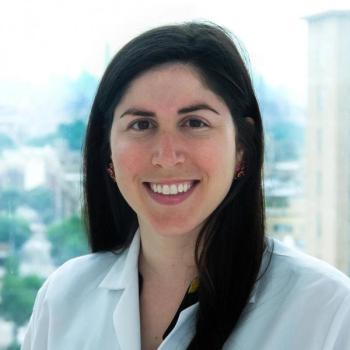
Ersilia DeFillipis, MD, discusses a trio of studies she presented at ACC.24 examining different financial hurdles and barriers encountered by people in need of heart transplants.

Counting down the most impactful news at major medical meetings, it’s the HCPLive Five! This edition focuses on 5 updates from the American College of Cardiology 2024 (ACC.24) Annual Scientific Sessions.
A retrospective analysis of EHR data from ACC.24 provides insight into the effects of ARNI relative to ACEi/ARB in patients with newly diagnosed heart failure and an LVEF greater than 40%.

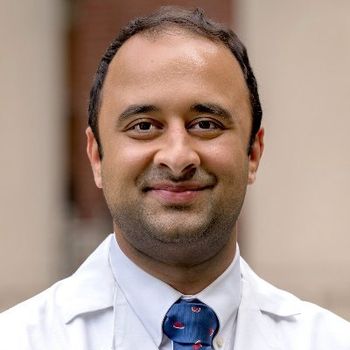
Safia Chatur, MD, discusses the results of a PARADIGM-HF analysis at ACC.24 examining the effects of ARNI use across the updated 2024 KDIGO Risk Classifications.
Ankeet Bhatt, MD, MBA, discusses a NUDGE-FLU analysis from ACC.24 examining effect of the CV gain-framed nudge in patients with and without history of AMI.
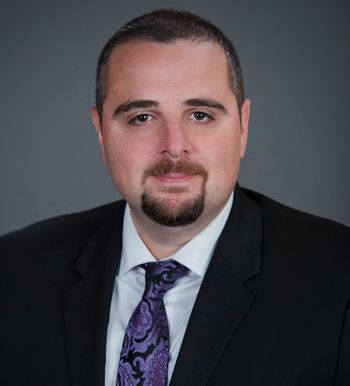
Ahmad Masri, MD, MS, discusses a study from ACC.24 examining trends in incidence and outcomes of emergency department visits related to hypertrophic cardiomyopathy from 2006 to 2019.

Sara Saberi, MD, discusses 1-year data from a cohort of 46 patients within the FOREST-HCM trial at ACC.24.

Deepak Bhatt, MD, MPH, MBA, provides a recap of top trials and new data from the American College of Cardiology's 2024 Annual Scientific Session.
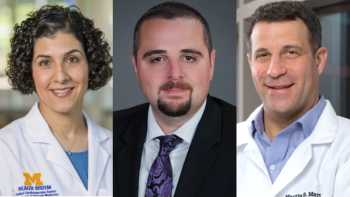
A trio of experts discuss their perspectives on the recent advancement in pharmacotherapy within the management of hypertrophic cardiomyopathy.
Christie Ballantyne, MD, discusses new data from the ROSE2 trial examining the potential synergistic effects of obicetrapib with ezetimibe in high-intensity statin users.
In the latest Lungcast, Drs. McCurry and Valapour answered several questions on the candidacy of post-infectious COVID-19 patients for lung transplantation and on long COVID.
Martin Maron, MD, discusses the results of the IMPROVE-HCM trial and how it informs the community on the potential of ninerafaxstat.
Christie Ballantyne, MD, discusses data from the SHASTA-2 trial and how it informs the community on the potential of plozasiran in management of severe hypertriglyceridemia.

Veraprapas Kittipibul, MD, discusses an analysis of the TRANSFORM-HF trial at ACC.24.

Muthiah Vaduganathan, MD, MPH, discusses a presentation from ACC.24 assessing the effects of dapagliflozin across a range of left ventricular hypertrophy from DELIVER.
Veraprapas Kittipibul, MD, discusses a study examining costs associated with heart failure hospitalization among patients with HFrEF or HFpEF from within the GWTG-HF registry.

During this segment of Lungcast, Valapour and McCurry discussed recent changes made to lung allocation scores as well as the topic of graft rejection.

Peter A. Campochiaro, MD, discusses the safety and tolerability of RGX-314 gene therapy in treating wet AMD and how these results inform pivotal clinical trials.
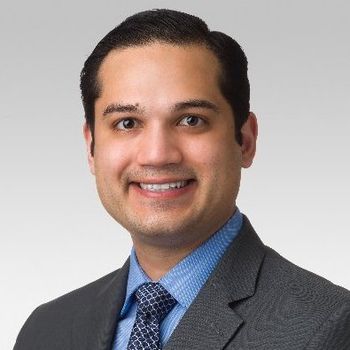
This post-AAD interview with Chovatiya covered takeaways regarding recent data on upadacitinib for vitiligo, tapinarof for eczema, and lutikizumab for hidradenitis suppurativa.
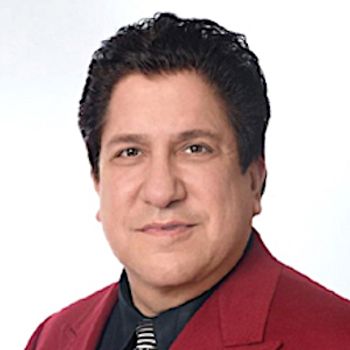
In this interview segment, Del Rosso further explores the steps patients and clinicians should take in considering the recent Valisure report on benzene risk for skincare products with benzoyl peroxide.
In this interview, Del Rosso expresses his personal views on the recent report of benzene in benzoyl peroxide acne products.
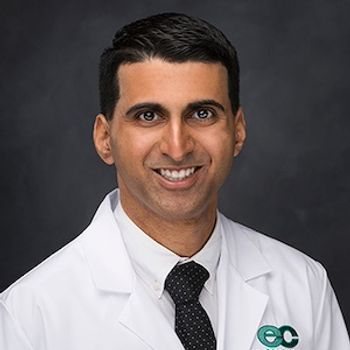
Deepak Sambhara, MD, discusses how clinical practice has responded to the introduction of aflibercept 8 mg and the significance of extended treatment intervals for patients with retinal diseases.

Michael Weber, MD, lead of the PRECISION trial, discusses the significance of the aprocitentan (Tryvio) approval and key points for providers who may have patients with uncontrolled hypertension.