
At ARVO 2024, Roger Goldberg, MD explores the greater reductions in hard exudates achieved with faricimab than aflibercept in eyes with DME.
At ARVO 2024, Roger Goldberg, MD explores the greater reductions in hard exudates achieved with faricimab than aflibercept in eyes with DME.
At ARVO 2024, Deepayan Kar, MD, PhD, describes the potential of measuring contrast sensitivity function using a novel gaze tracking-based VR headset in AMD.
Robert O. Cotes, MD, discusses why the proven agent clozapine may still be underutilized in schizophrenia.
Daniel Su, MD describes the promise of APX3330 for delaying or preventing diabetic retinopathy progression in a post-hoc analysis of the ZETA-1 trial.
Daniela Ferrara, MD, PhD described the key takeaways from the machine learning model's performance in predicting outcomes for various treatment durations of faricimab in DME.
During this interview segment, Browning highlighted the impact of a future FDA acceptance of tapinarof for atopic dermatitis as well as the next milestones in regulatory approval.
At ARVO 2024, Ashkan Abbey, MD describes key data from the pivotal OAKS and DERBY, and the GALE extension trial over 3 years of pegcetacoplan treatment.
In this Lungcast episode segment, Balmes spoke about advocating for air pollution improvements, inequities in air quality, and more.

The utility of second-generation antipsychotics and clozapine has been less advantageous than it could be, Kane explained.
In this interview, Browning discusses his team’s trial data and the implications of the FDA’s decision to accept the supplemental new drug application for tapinarof as an eczema treatment.
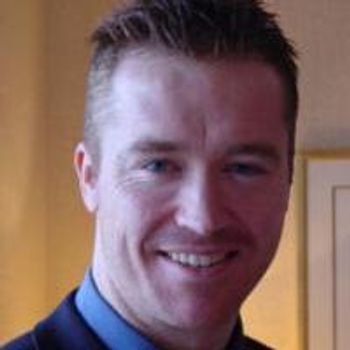
McIntyre explains why GLP-1/GIP receptor agonists like semaglutide may alter cognitive and psychiatric care similar to cardiometabolic disease.
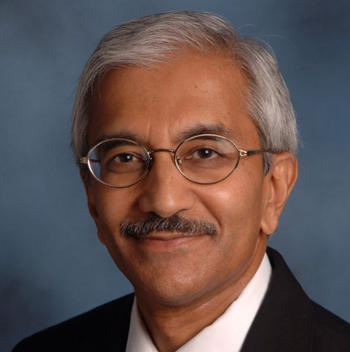
Devanand reviews lecanemab and the advent of blood biomarkers for dementia and Alzheimer's management at APA 2024.
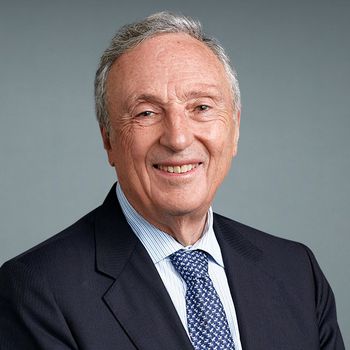
Marmar explains what anticipated blood and molecular profiling of PTSD may provide psychiatrists treating patients.
Kane explains why newer long-acting injectables and clozapine may be under-utilized still in the management of schizophrenia.

Payal Kohli, MD, discusses how recent advancements have changed conversations surrounding modifiable cardiovascular risk and what it means for practitioners.
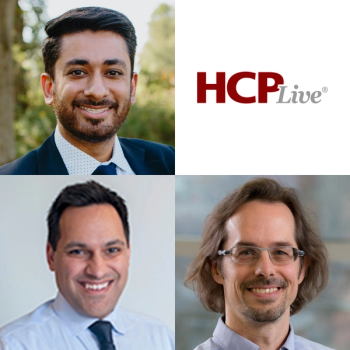
The second segment of a special report stresses the importance of cross-specialty collaboration with hepatology and psychiatry when treating alcohol-related liver disease.
In the first segment of this HCPLive special report, experts discuss the stigma surrounding alcohol use disorder and alcohol-associated liver disease.

This segment of the latest Lungcast episode featured a discussion over the ALA’s State of the Air Report and the impacts of particle pollution.
Daniel Gaudet, MD, PhD, discusses SHASTA-2 data and what cardiologists could learn from the forthcoming 48-week MUIR trial data from EAS 2024.
During this discussion, Ohuabunwa discussed additional takeaways from her ACP conference talk on postdischarge care and other tips for internal medicine physicians.
This discussion with Ohuabunwa was held at the ACP conference and covered inpatient geriatrics assessment tips for internal medicine physicians.
Matthew Nudy, MD, discusses a trio of meta-analyses examining the effects of intensive blood pressure control on various targets.
Chun spoke in this interview segment about more recommendations for internal medicine physicians to give older adults related to aging, dementia, and statin use.
In this interview, Chun discussed recommendations for internal medicine physicians to give older adults for slowing aging as well as evidence for statins.
This segment of Hemming’s ACP interview featured a discussion of a website used to assess digital applications for patients struggling with mental health issues.
Another segment of her ACP 2024 interview featured a discussion on weight loss drugs, healthy living, and discussions with patients.
Thorndike discussed highlights from her ACP 2024 talk titled ‘Annals Beyond the Guidelines: How Would You Treat this Patient with Obesity?’
In this segment of his interview, Leff described what he hopes internal medicine physicians viewing his talk walk away realizing about Hospital at Home.
At the ACP Internal Medicine Meeting, Leff described the outcomes and implementation of the ‘Hospital at Home’ program for elderly adults.
This discussion with Hemming featured the biggest takeaways from his talk titled ‘Depression and Anxiety Treatment by the Internal Medicine Physician.’