
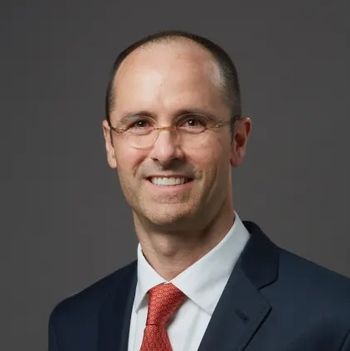
Brett King, MD, PhD, discusses the LEVEL UP trial and how it represents the field of dermatology's desire to advance care and advocate for new standards of care.
Brett King, MD, PhD, discusses the LEVEL UP trial and how it represents the field of dermatology's desire to advance care and advocate for new standards of care.

This segment of the latest Lungcast featured a discussion about heat and its interplay with various types of common medications.

This interview segment featured Silverberg discussing the AHEAD atopic dermatitis recommendations and their implications for clinicians and patients.

Silverberg discusses the new AHEAD recommendations for optimizing atopic dermatitis management, highlighting goals, disease severity assessments, and guidance for escalation.

In this Lungcast segment, Bludorn speaks on commonly-seen heat-related illnesses amid a changing climate as well as how to screen for related risks.

In this interview, Gooderham highlights the ARRECTOR study findings which led to roflumilast foam’s supplemental new drug application to the FDA.
Counting down the most impactful news at major medical meetings, it’s the HCPLive Five! This episode focuses on 5 key interviews from the American Society of Retina Specialists (ASRS) 42nd Annual Meeting.

Pre-dose IOP outcomes in eyes with DME receiving aflibercept 8 mg or 2 mg were comparable through Week 48 of the Phase 2/3 PHOTON trial.

A post hoc analysis of PHOTON showed the utility of aflibercept 8 mg in patients with DME, irrespective of baseline visual acuity.

In this episode of Crisis Point, 3 experts in dermatology discuss ways in which those in the field are working to improve visibility of diverse skin types within dermatology education.
A recap of the 5 most popular topics related to gene therapy in ophthalmology coming from the 42nd American Society of Retina Specialists meeting.
Brett King, MD, PhD, discusses how the deuruxolitinib approval impacts the treatment landscape of alopecia areata.
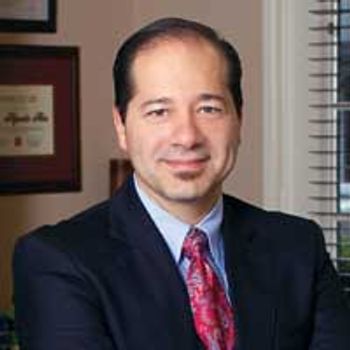
In this part of our 5-part series, Gus Alva, MD discusses the next steps in research for long-term effects and broader applications of MDMA-assisted therapy.
In this part of our 5-part series, Gus Alva, MD explores MDMA’s neurochemical impact and the need for ongoing research.
In this part of our 5-part series, Gus Alva, MD highlights the importance of education and overcoming skepticism about MDMA-assisted therapy.
In this part of our 5-part series, Gus Alva, MD talks about MDMA's efficacy in controlled settings and addresses misconceptions.

Presented at ASRS 2024, late-breaking RHONE-X data shows more than 90% of patients experienced the absence of DME after four years of faricimab.
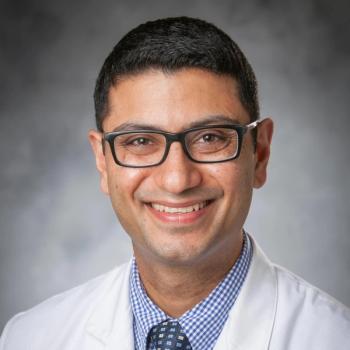
Eyes with GA that developed MNV in the GATHER trials experienced a slower growth rate with avaincaptad pegol than with sham treatment.

Patients treated with PDS with ranibizumab refilled every nine months maintained vision improvements and experienced consistent safety over two years.

Over 2 years, the Port Delivery System demonstrated continued efficacy with fixed refill-exchange procedures every 24 weeks in the Phase 3 Pagoda trial.

Interim results from the PRISM population extension cohort found that 4D-150 was well tolerated and reduced the mean annualized anti-VEGF injection rate.
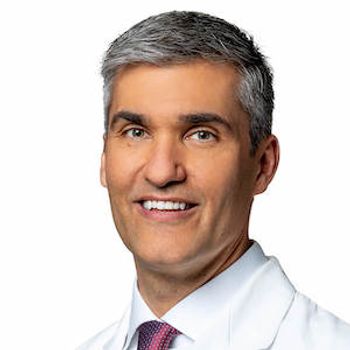
A single Ixo-vec injection showed up to a 95% reduction in annualized anti-VEGF injections, according to first-time 26-week results from the Phase 2 LUNA study.

Pegcetacoplan for 36 months led to fewer absolute scotomatous points on microperimetry than delayed treatment, suggesting its efficacy in preserving vision.

RGX-314 produced by the NAVXpress platform process showed a similar clinical profile to the adherent cell culture process in this Phase 2 pharmacodynamic study.

Katherine Talcott, MD describes a posthoc analysis of the GATHER trials showing how imaging biomarkers of photoreceptor structure predict GA growth.
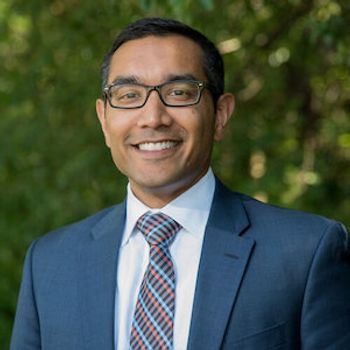
Veeral Sheth, MD describes an assessment of the need for supplemental injection use after EYP-1901 for wet AMD.
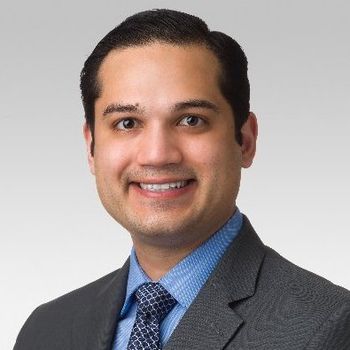
In this interview, Chovatiya discussed the recent FDA approval of roflumilast cream 0.15% for patients with eczema aged 6 years and older.
Arshad Khanani, MD shares his excitement about the potential of elamipretide joining the treatment armamentarium in GA and his final thoughts on the topic.
Arshad Khanani, MD points to the viability of the mechanism of action of elamipretide for geographic atrophy in dry AMD, and what it could represent for patient outcomes.
Arshad Khanani, MD provides insight into the pivotal Phase 3 clinical trials investigating elamipretide for geographic atrophy in dry AMD.