
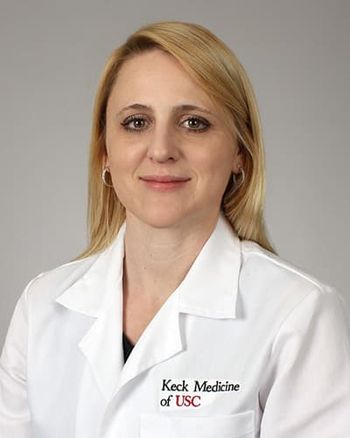
Piatek shared the latest data update from the phase 3 ALPHA study at the ASH 2024.
Piatek shared the latest data update from the phase 3 ALPHA study at the ASH 2024.

Frangoul discussed highlights from the latest data update from the CLIMB SCD-121 trial of Casgevy.
In this episode, hosts discuss the collaboration between Dexcom and Oura Ring, expanded compatibility of Omnipod 5 with Freestyle Libre 2, and Simplera CGM integration with the InPen.

Greg Duck, PA-C shared insights from his CAPP 2024 presentation on tailoring medical management and effective treatment of methamphetamine-induced cardiomyopathy.
Bob Ross, PA-C, shares expert insights on early PAD detection, updated guidelines, and practical tools to improve vascular health outcomes from CAPP 2024.

This portion of the latest Lungcast episode includes a discussion of therapies, triggers, and management of AERD.
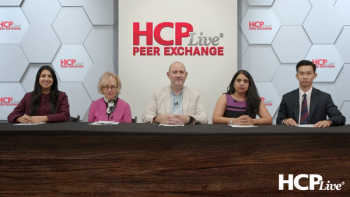
Panelists discuss how clinicians can differentiate IgA nephropathy from other glomerular diseases, such as lupus nephritis and membranous nephropathy, that may present with similar clinical features.
Panelists discuss how misdiagnosis and delayed diagnosis of IgA nephropathy occur, highlighting the primary barriers to timely detection and strategies to overcome these challenges.

David G. Armstrong, DPM, PhD, and Michael S. Conte, MD discuss Phase 2 results on anatomically directed lower extremity gene therapy for ulcer healing.

In this segment of the latest Lungcast episode, the characteristics of AERD and the concerns of patients were highlighted.
Panelists discuss how IgA nephropathy affects patients’ quality of life, addressing both the physical symptoms and the emotional challenges associated with the condition.
Panelists discuss the importance of screening and monitoring family members of individuals with IgA nephropathy, noting that up to 15% of cases are familial and outlining recommendations for the frequency of such assessments.

Birgit Vogel, MD discusses racial inequities and geographic variations in peripheral artery disease care in the United States.
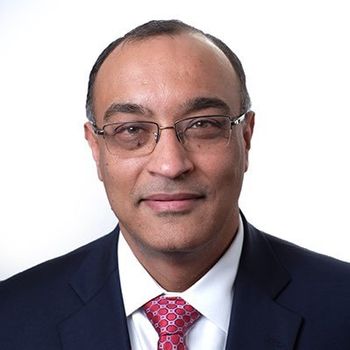
Milind Desai, MD describes favorable real-world safety outcomes from mavacamten use over 22 months of the Risk Evaluation and Mitigation Strategy (REMS) program.
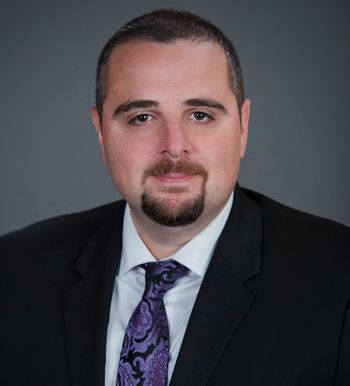
Ahmad Masri, MD, MS, discusses data from the FOREST-HCM trial examining effects of aficamten in patients with oHCM eligible for septal reduction therapy at baseline.
Ahmad Masri, MD, MS, discusses a study from AHA 2024 detailing changing risk profiles and outcomes in trials among patients with ATTR-CM.

Stephen Nicholls, MBBS, PhD, provides additional insight into KRAKEN trial data and the potential of muvalaplin.
Stephen J. Nicholls, MD, PhD discusses the robust efficacy and tolerability of zerlasiran for Lp(a) lowering, paving the way for Phase 3 development.

This segment of Han’s interview featured a discussion of the safety profile of dupilumab and ensifentrine, as well as other details in the GOLD 2025 Report.

Muthiah Vaduganathan, MD, MPH, discusses the need for cardiology to embrace a role for GLP-1 receptor agonists and incretin therapies, with a focus on obesity-related HFpEF.

Viet Le, PA-C, DMSc, breaks down new data and updates from AHA 24, spotlighting 3 specific trials and the applicability of artificial intelligence in care.
In this interview, Han highlighted new information included in the GOLD 2025 Report regarding utilization of dupilumab and ensifentrine for certain patients with COPD.

Orly Vardeny, PharmD, MS, discusses the management and monitoring of hyperkalemia among patients with heart failure with preserved ejection fraction using finerenone.
Panelists discuss potential biomarkers and clinical indicators that can aid in predicting disease outcomes for individual patients with IgA nephropathy.
Panelists discuss the immune system dysregulation underlying IgA nephropathy and highlight how this mechanism differs from those seen in other glomerular diseases.

Christian. T. Ruff, MD, MPH describes an analysis of AZALEA-TIMI 71 demonstrating the substantial benefit of abelacimab on bleeding outcomes in patients on antiplatelet therapy.

Ankeet Bhatt, MD, MBA, ScM, provides additional insight into NUDGE-FLU data he presented at AHA 2024.
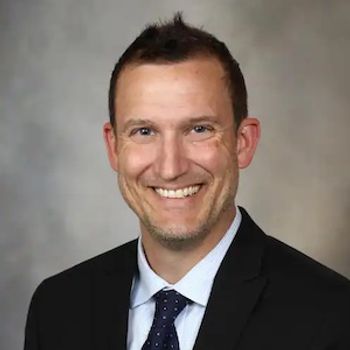
Barry A. Borlaug, MD describes the beneficial effect of tirzepatide on circulatory pressure-volume overload and end-organ damage in patients with HFpEF and obesity.
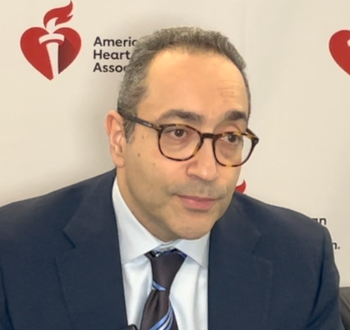
Oussama Wazni, MD, discusses the results of the OPTION trial examining LAAC in atrial fibrillation as well as its reception as AHA 2024.
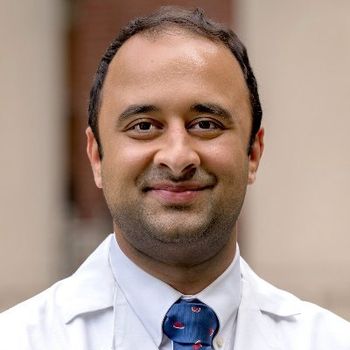
Ankeet Bhatt, MD, MBA, discusses a study he led from AHA 2024 examining the cost-effectiveness of dapagliflozin based on how soon therapy was initiated following diagnosis or hospitalization.