

Climate change is increasing pollen and tick-related allergies, said Scott Commins, MD, PhD, at AAAAI 2025.
Climate change is increasing pollen and tick-related allergies, said Scott Commins, MD, PhD, at AAAAI 2025.
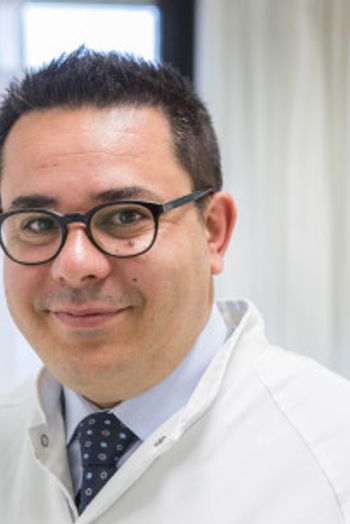
Sabato discussed how research in the field will inform how to best utilize novel therapies for indolent systemic mastocytosis now that a disease-modifying therapy is available.

Alexis discussed the latest research in the field and new management strategies for children with atopic dermatitis.

Chovatiya discussed his talk at the 2025 AAAAI/WAO Joint Congress.
Kernizan discusses winning the 2024 Society for Pediatric Dermatology Medical Student Mentorship Award and getting into pediatric dermatology as a student.
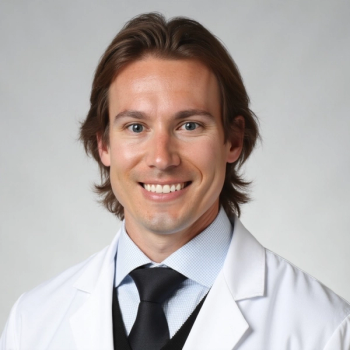
Stine explains key components of a new multidisciplinary MASLD care model and how it improves upon preexisting models.

Mukkamala also discussed the importance of expanding non-opioid pain relief options.
Stine explains the continued need for diet and exercise in MASH and the importance of a multidisciplinary approach to treating these patients.
In this interview, Druskovich highlights her experiences being mentored through the Society for Pediatric Dermatology’s Medical Student Mentorship Award.

In a recent Diabetes Dialogue segment, hosts discussed the efficacy and safety of advanced hybrid closed-loop therapy with the MiniMed 780G system.
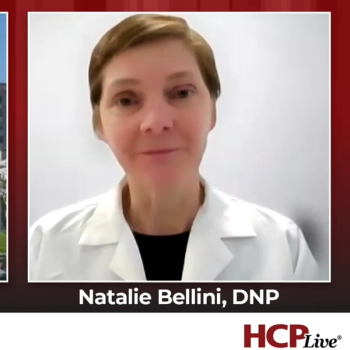
In this Diabetes Dialogue segment, hosts discussed the strengths of trial diversity and HbA1c reductions with automated insulin delivery in type 2 diabetes.

Afif El-Hasan, MD of Kaiser Permanente in California joins host Albert Rizzo, MD, to discuss the acute effects of wildfire smoke on air quality.

Ahead of AAAAI 2025, HCPLive spoke with Jaroenpuntaruk about varying hypersensitivity reactions in patients with atopic diseases on biologics.

Clark describes visual and anatomic improvements with aflibercept 8 mg in the PULSAR extension study, with most patients achieving extended dosing regimens.

Chalmers discussed how brensocatib’s potential approval may transform the currently empty treatment landscape for bronchiectasis.

In this feature, 3 experts highlight their own research on new technological advances and their views on the benefits and drawbacks of artificial intelligence in dermatology.

The February 18, 2025 SOCS News Update highlights SOCS mentorship opportunities as well as the importance of mentors and role models.
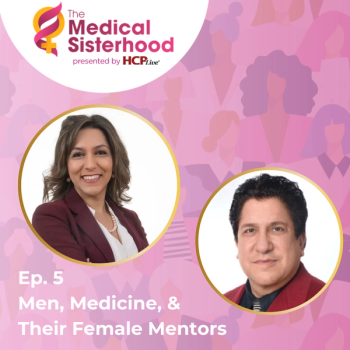
In this episode, James Q. Del Rosso, DO, joins The Medical Sisterhood for a conversation about empowerment and the benefits of female role models.

Bernstein discussed recent and upcoming research and management of angioedema in patients with urticaria.
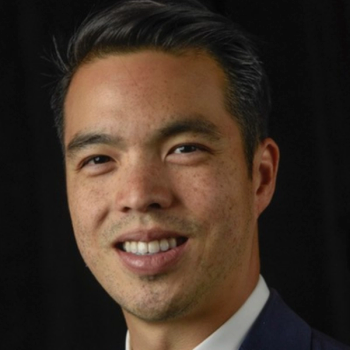
Lee explains study findings suggesting MetALD classification should be based on ≥ 3 cardiometabolic risk factors rather than just alcohol intake.
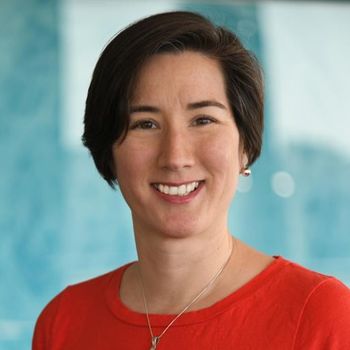
This interview highlights the significance of Bruckner’s recent phase 3 data on birch triterpenes as a potential treatment for dystrophic and junctional EB, as well as patients’ unmet needs.
Bruckner discusses her team’s long-term data on the safety and efficacy of birch bark extract, also known as Oleogel-S10, for those with epidermolysis bullosa.

Adelaide Hebert, MD, discusses the impact of the recent approval for tapinarof cream in the management of atopic dermatitis.
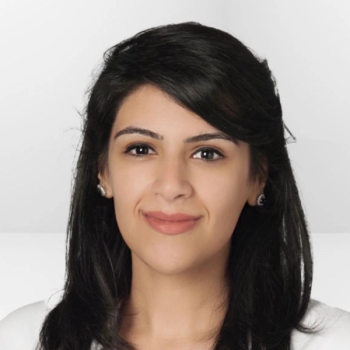
Laique reviews data supporting the use of metabolic surgery in patients with obesity and cirrhotic MASH.
Laique emphasizes the unmet needs for patients with cirrhotic MASH who are not eligible for resmetirom and what role metabolic surgery may play in their care.
In this segment of January's Lungcast episode, guests discussed the Global Lung Function Initiative (GLI) network, lung function testing, and the use of race-based normal values.
Panelists summarize the key points discussed regarding the evolving landscape of IgA nephropathy treatments, highlighting the importance of addressing unmet needs, the significance of reducing proteinuria, and the role of emerging therapies in modifying disease progression, ultimately emphasizing the necessity for personalized treatment approaches and effective communication with patients to improve clinical outcomes.

Garimella describes the overlap between diabetes and kidney disease, explaining the significance of semaglutide’s new indication for these patients.

This month’s Lungcast features a discussion on pulmonary function tests and the controversial practice of using race-based normal values.