
Veeral Sheth, MD, is joined by the CEO of Neurotech to discuss the historic approval of revakinagene taroretcel (ENCELTO) for macular telangiectasia type 2.
Veeral Sheth, MD, is joined by the CEO of Neurotech to discuss the historic approval of revakinagene taroretcel (ENCELTO) for macular telangiectasia type 2.
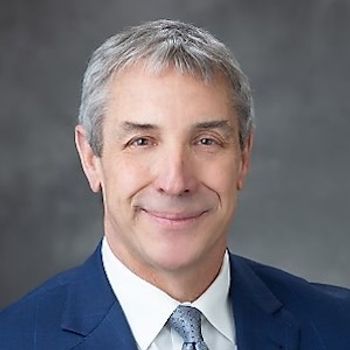
Repka describes the complications of the US healthcare system and how to advance interactions in advocacy efforts.
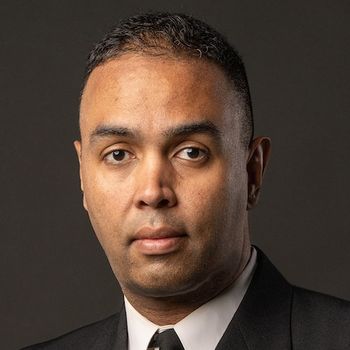
This interview with Ian Myles, MD, MPH, highlights his team’s recent findings on identifying dermatitis related to topical steroid withdrawal (TSW) versus atopic dermatitis.
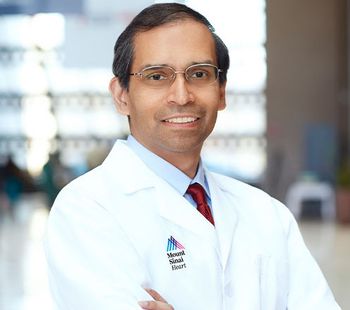
Bhatt previews 3 late-breaking clinical trials being presented at this year's American College of Cardiology Annual Scientific Sessions.
Counting down the most impactful news at major medical meetings, it’s the HCPLive Five! This episode focuses on 5 key allergy updates from the 2025 American Academy of Allergy, Asthma, and Immunology (AAAAI) annual meeting.
Counting down the most impactful news at major medical meetings, it’s the HCPLive Five! This episode highlights 5 key dermatology updates from the 2025 American Academy of Dermatology Annual Meeting in Orlando.
In this episode, hosts discuss a study assessing the benefit and feasibility of AID for type 1 diabetes with the iLet Bionic Pancreas in different settings.

Banerjee explains the need for noninvasive tests for MASH and reviews promising findings from the RADIcAL-1 trial of LiverMultiScan versus standard of care.

This March 2025 SOCS News Update highlights misconceptions related to skin health, the value of diversity in clinical research, and SOCS Symposium highlights.
In this episode, hosts discuss the launch of the Control-IQ+ AID algorithm with Laurel Messer, PhD, RN of Tandem Diabetes Care.
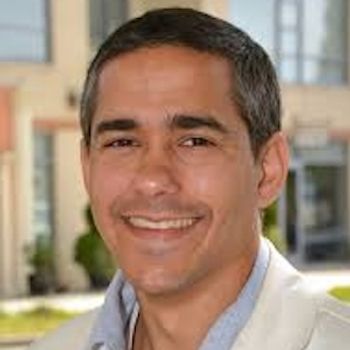
This interview with Christopher Sayed, MD, features a discussion about his team’s recent findings on bimekizumab for hidradenitis suppurativa.
Mukkamala discussed other priorities the AMA’s Substance Use and Pain Care Task Force is tackling with OUD.
Initiation of the MOMENTUM clinical trial will explore the prevalence of endogenous hypercortisolism in patients with resistant hypertension.
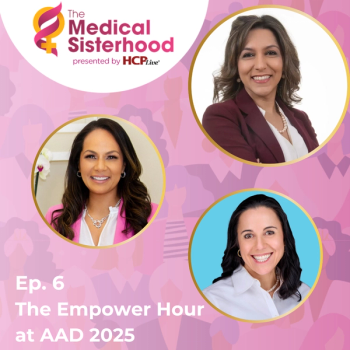
Latanya Benjamin, MD, and Lindsay Ackerman, MD, joins The Medical Sisterhood in a live recording at AAD 2025 to discuss advocacy, mentorship, and empowerment.

This interview highlights recent findings on roflumilast cream 0.05% for patients aged 2 to 5 years with mild to moderate atopic dermatitis.
This interview with Yamauchi highlights phase 3b findings on tildrakizumab among patients with moderate-to-severe nail psoriasis.
Hoyte discussed findings from a post hoc analysis of the phase 3 NAVIGATOR study.
Counting down the most impactful news at major medical meetings, it’s the HCPLive Five! This episode focuses on 5 key dermatology updates from the 2025 American Academy of Allergy, Asthma, and Immunology (AAAAI)/World Allergy Organization (WAO) Joint Congress.
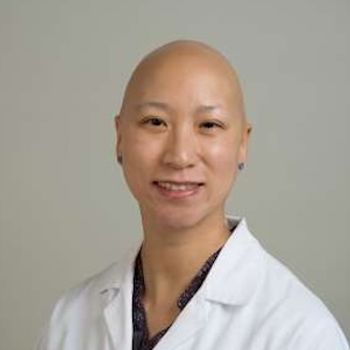
Carolyn Goh, MD, spoke in this AAD 2025 interview about her talk on guidance in addressing patients with hair disorders.
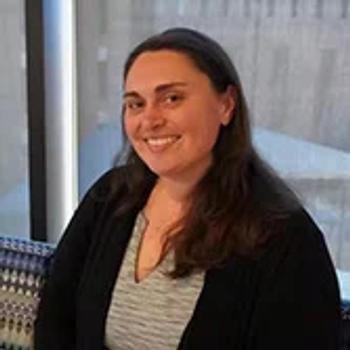
Chambliss also discussed other research she is working on looking to understand effects on children with asthma.
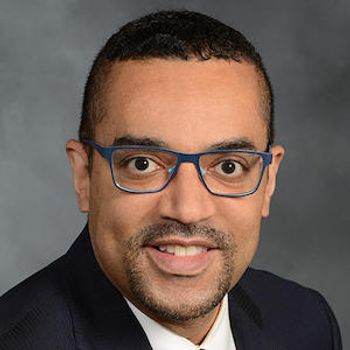
Andrew Alexis, MD, MPH, highlights his ‘What’s New’ talk at AAD 2025 on new practices for treating pigmentary disorders such as vitiligo.
This interview with Andrew Alexis, MD, MPH, features some of the most notable highlights from his AAD 2025 talks on therapeutic and diagnostic pearls for skin of color.
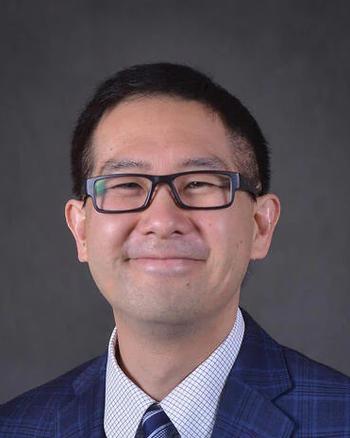
Pongdee also discussed the changing treatment landscape for indolent systemic mastocytosis and questions that will need to be answered in the field.
Bernstein also discussed other unmet needs in the field and how his center is working to address them.
In this interview with Christopher Bunick, MD, PhD, at AAD 2025, he discusses his update given in a presentation regarding acne and rosacea treatments.
Lipworth shared findings from 2 studies that he presented data from at the AAAAI/WAO Joint Congress.
This interview features a discussion with Christopher Bunick, MD, PhD, regarding recent controversies in acne and rosacea related to benzene and benzoyl peroxide.
Mostaghimi highlights the major takeaways from his talk on alopecia areata therapies, the contents of which were presented at AAD 2025.
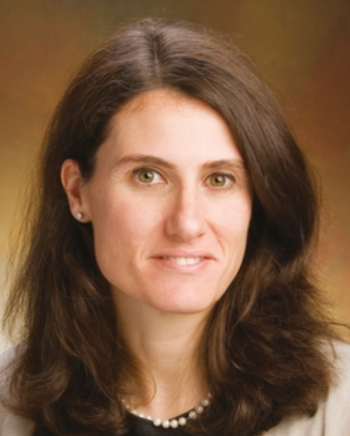
Cianferoni discusses how pollen food allergy syndrome contributes to eosinophilic esophagitis (EoE) and potential management strategies.
At AAAAI 2025, Cianferoni described molecular mechanisms of pollen food allergy syndrome.